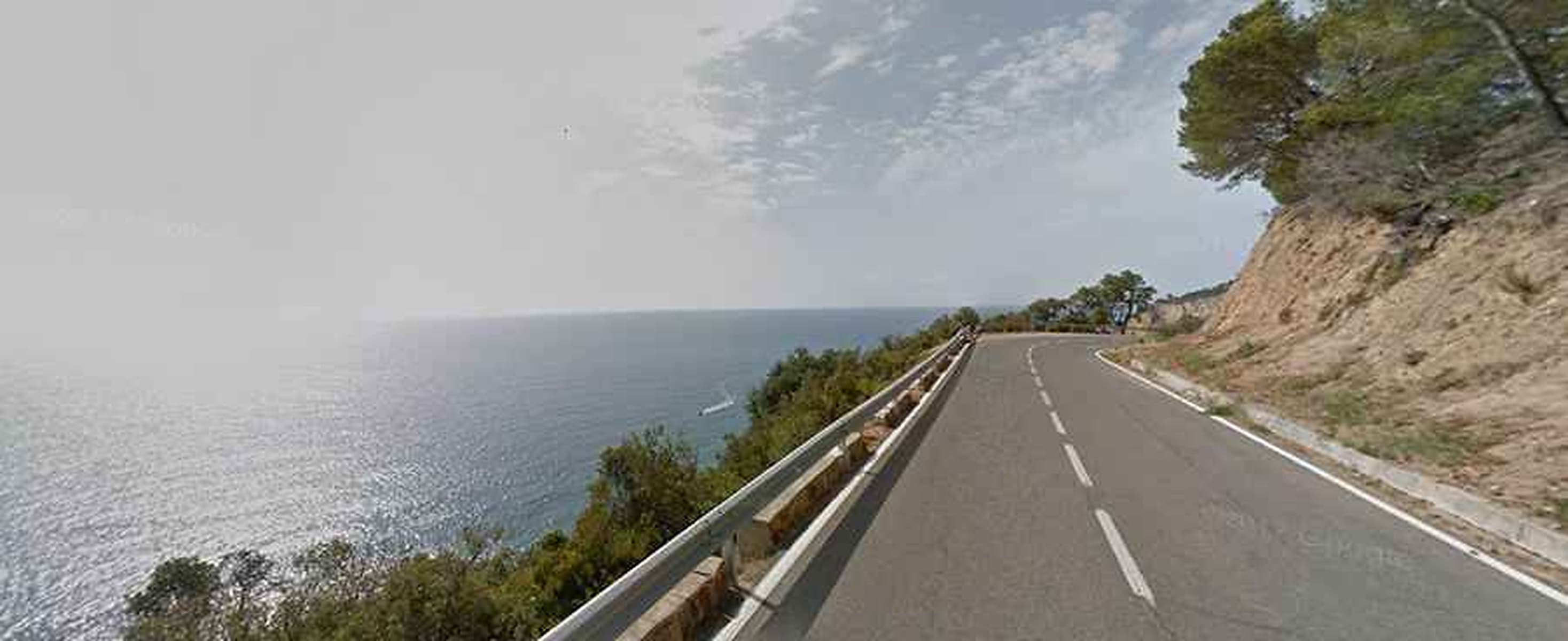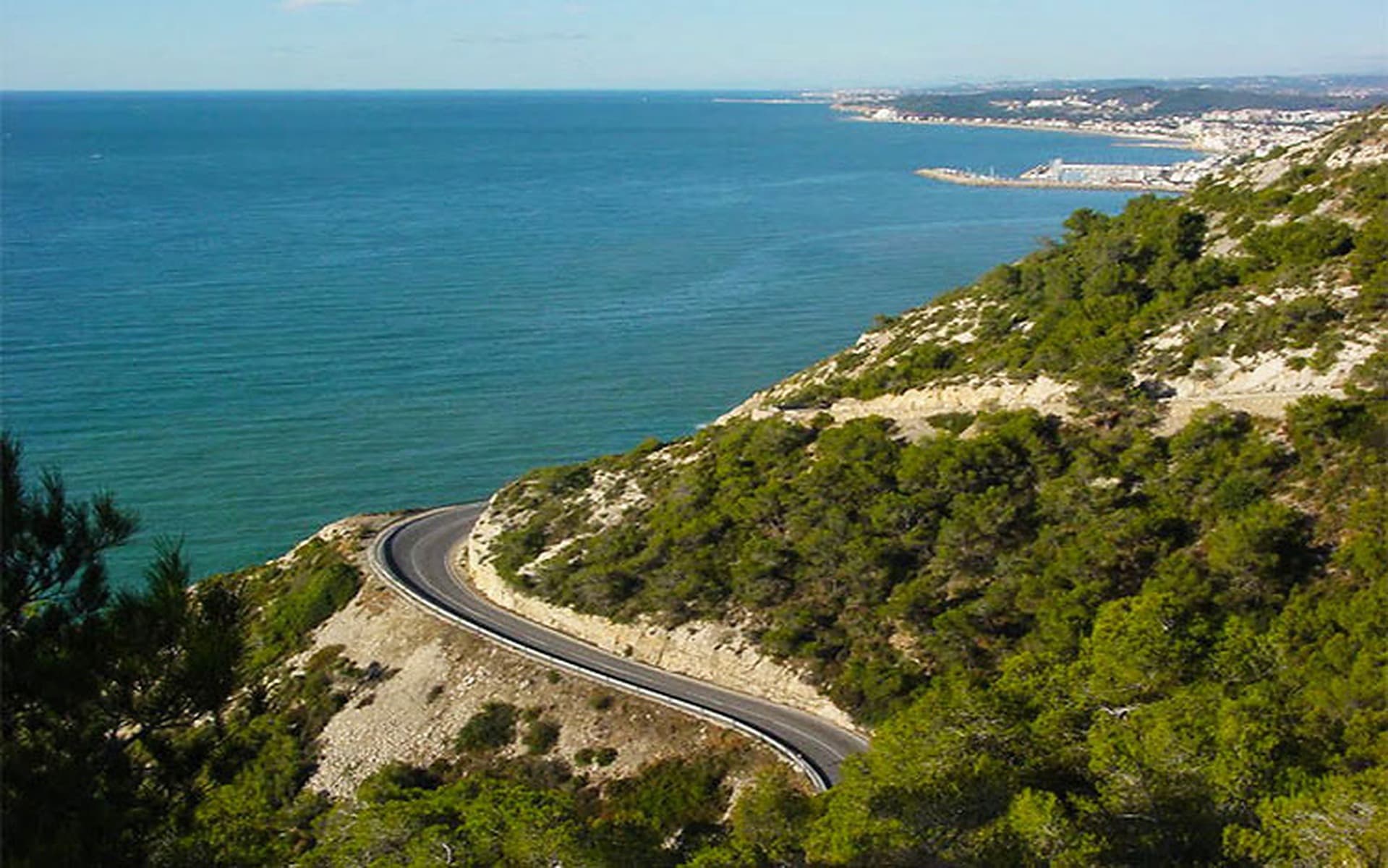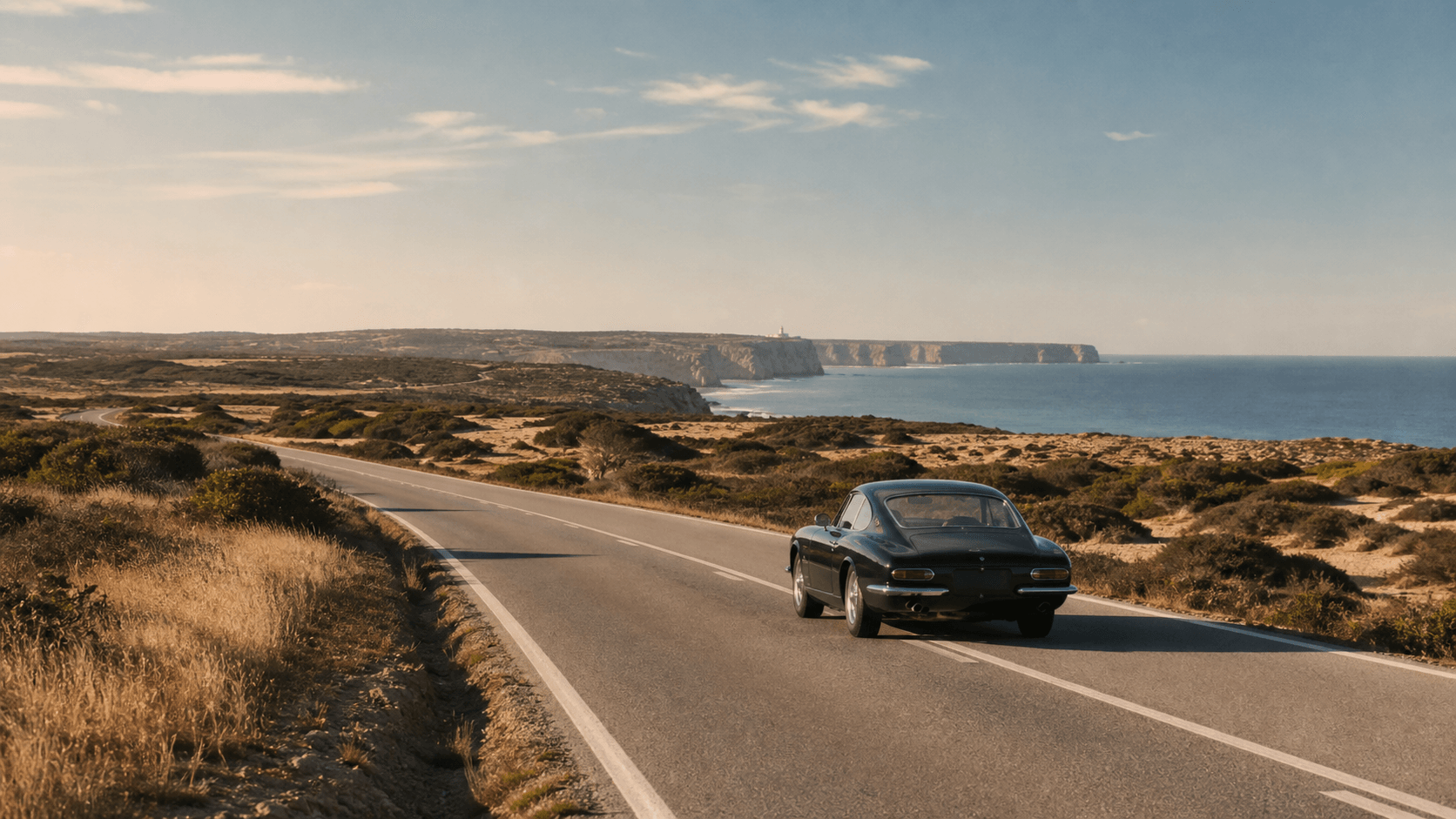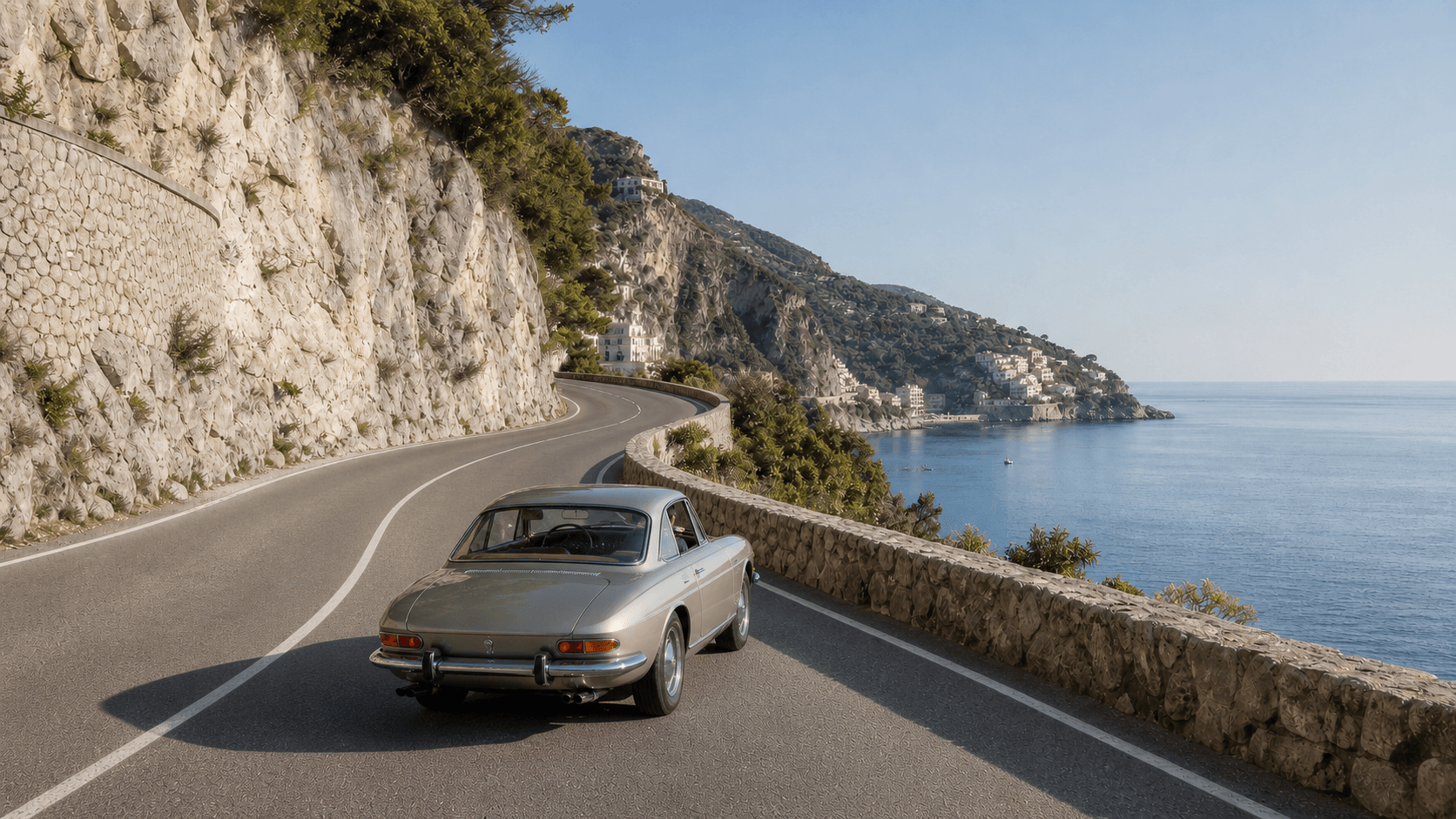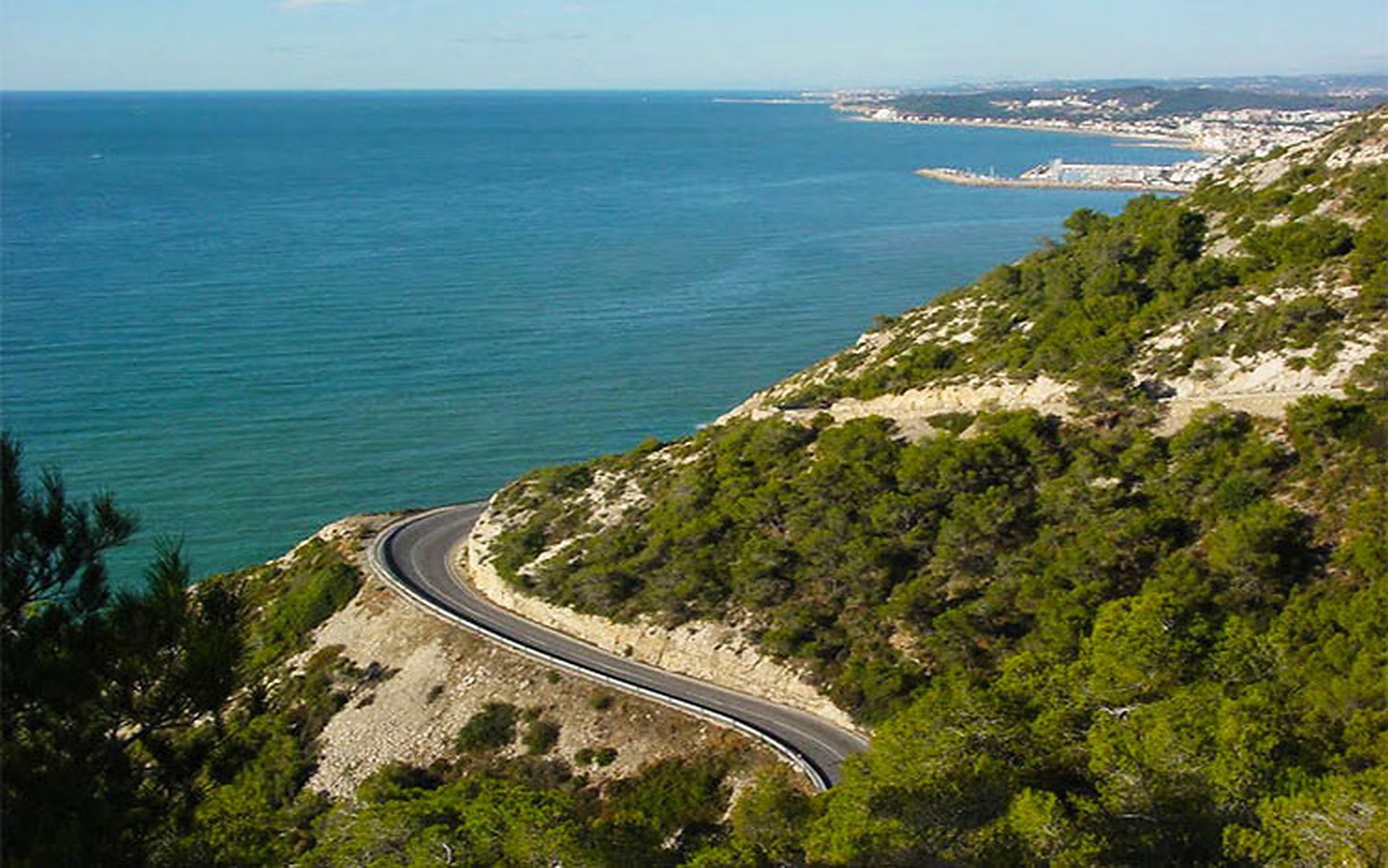

The Costa Brava — Catalonia's "Wild Coast" — is where the Pyrenees meet the Mediterranean in a collision of pine-covered cliffs, hidden coves, and medieval fishing villages. And the GI-682 is its masterpiece: a 21-kilometre coastal road between Sant Feliu de Guíxols and Tossa de Mar that contains over a thousand bends, carved into cliffs above water so clear it glows turquoise.
This is not a road for speed. It is a road for precision — tight, technical, and endlessly rewarding for drivers who appreciate the art of placing a car exactly where it needs to be. Every corner reveals a new cove, a new viewpoint, a new reason to stop. The road surface is excellent, the gradients are moderate, and the views are among the finest on any coastal road in Europe.
Beyond the GI-682, the route continues north through the heart of the Costa Brava — past the whitewashed village of Calella de Palafrugell, the Greek and Roman ruins of Empúries, and the surreal landscape of Cap de Creus. This easternmost point of the Iberian Peninsula is where Salvador Dalí found his inspiration: wind-sculpted rocks that look like melting clocks, twisted olive trees, and a light so intense it seems to vibrate.
The route ends in Cadaqués, the whitewashed village where Dalí lived and worked. It is accessible only by a single mountain road — a fitting finale for a drive that celebrates the art of the journey.