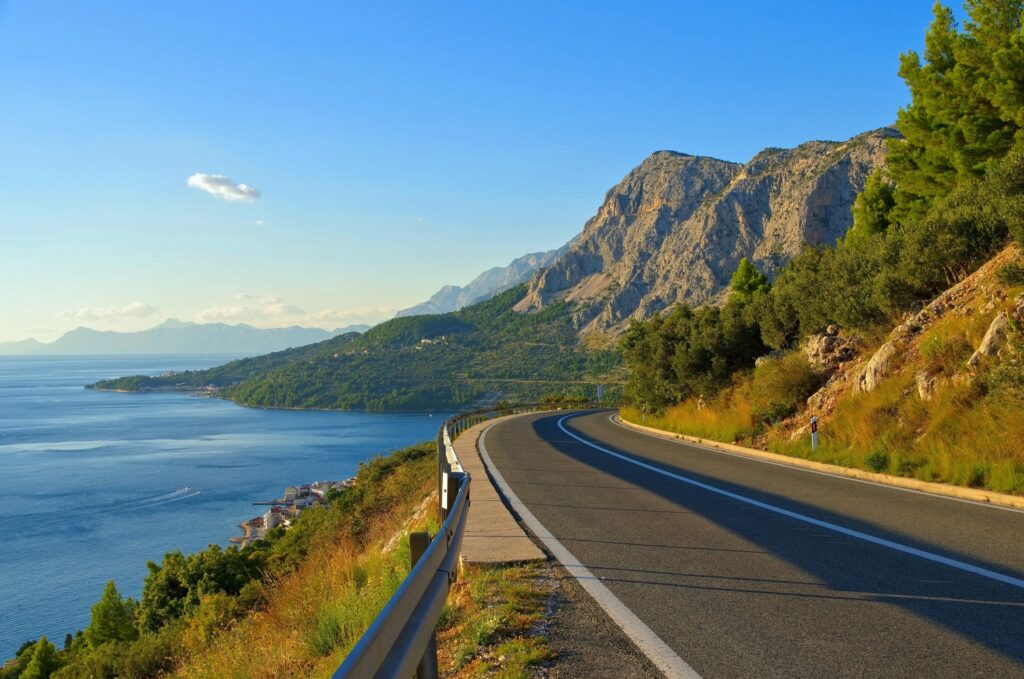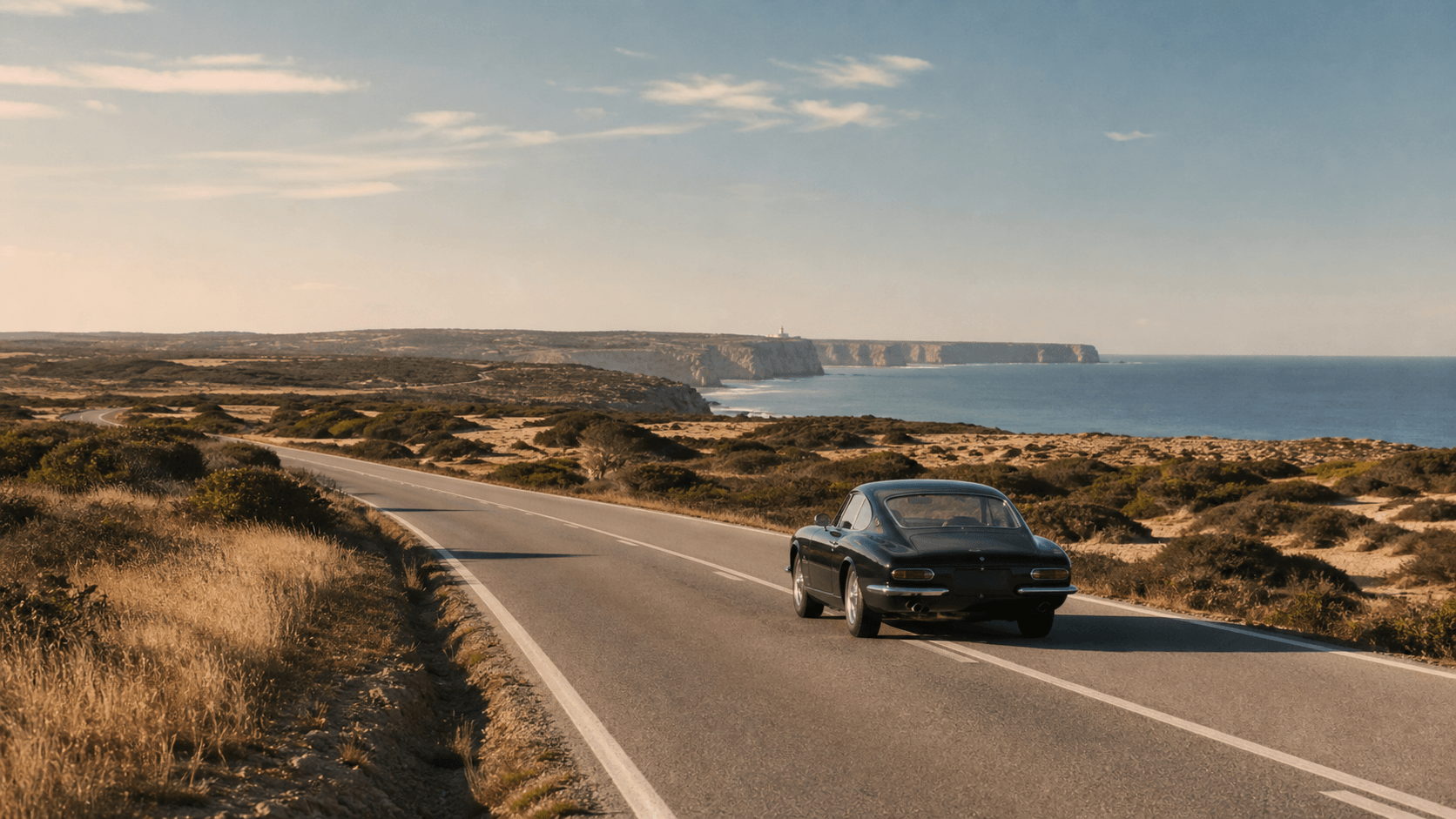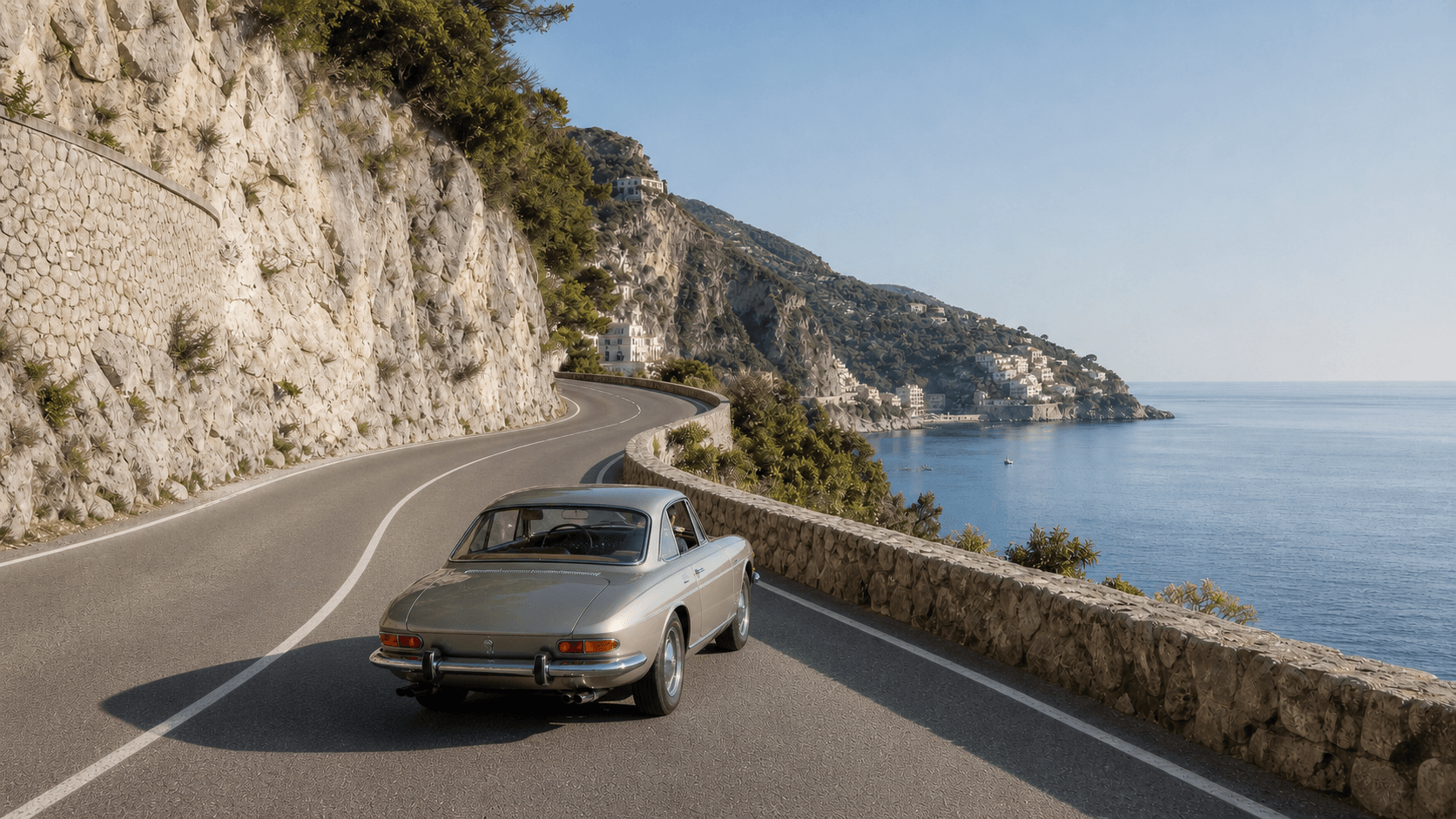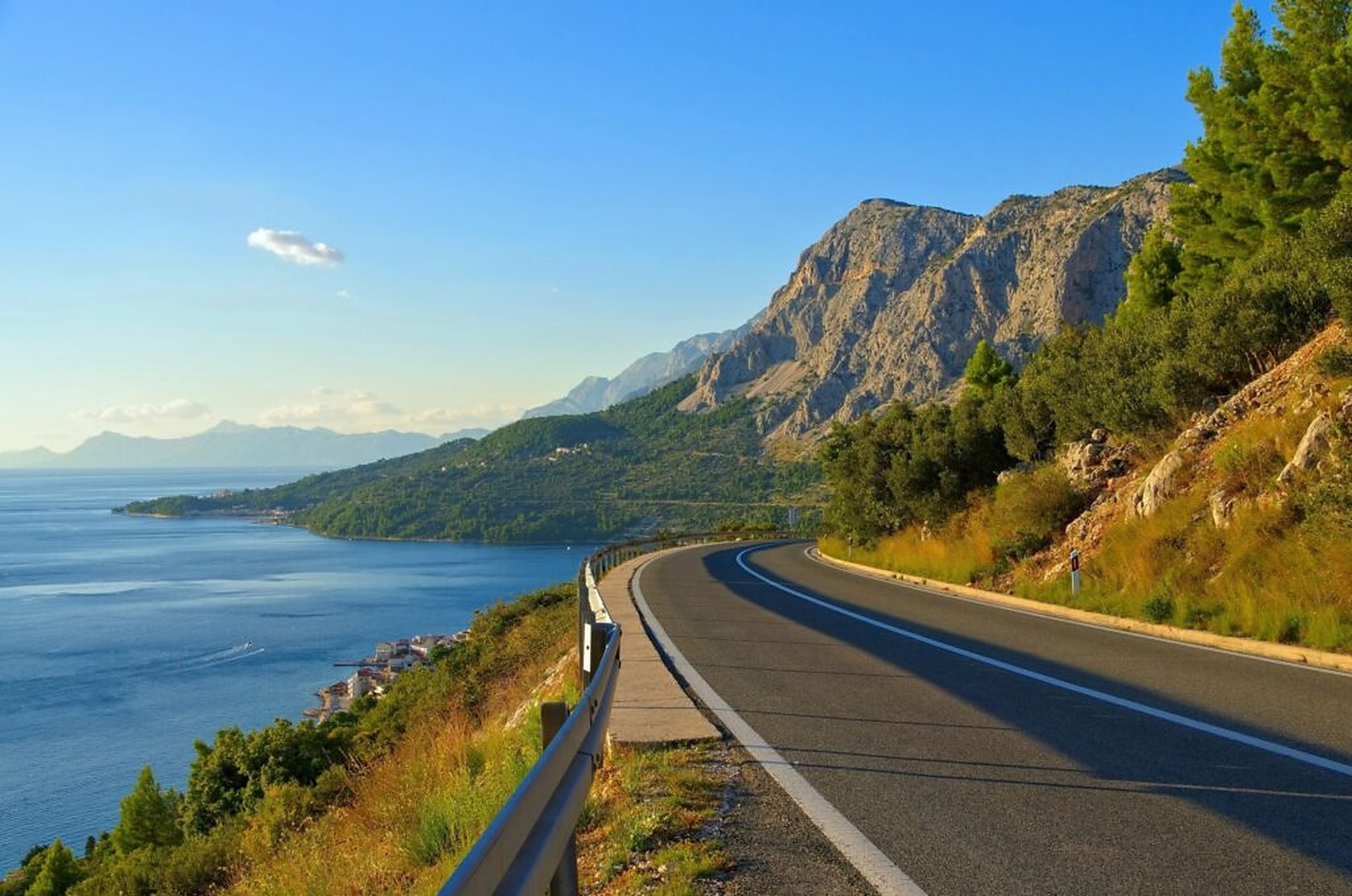

The Dalmatian Coast is one of the Mediterranean's great driving destinations — a 350-kilometre stretch of limestone coastline where the road clings to cliffs above water so clear it seems unreal. The Jadranska Magistrala (Adriatic Highway) was built by the Yugoslav government in the 1960s, and it remains one of Europe's most spectacular coastal roads.
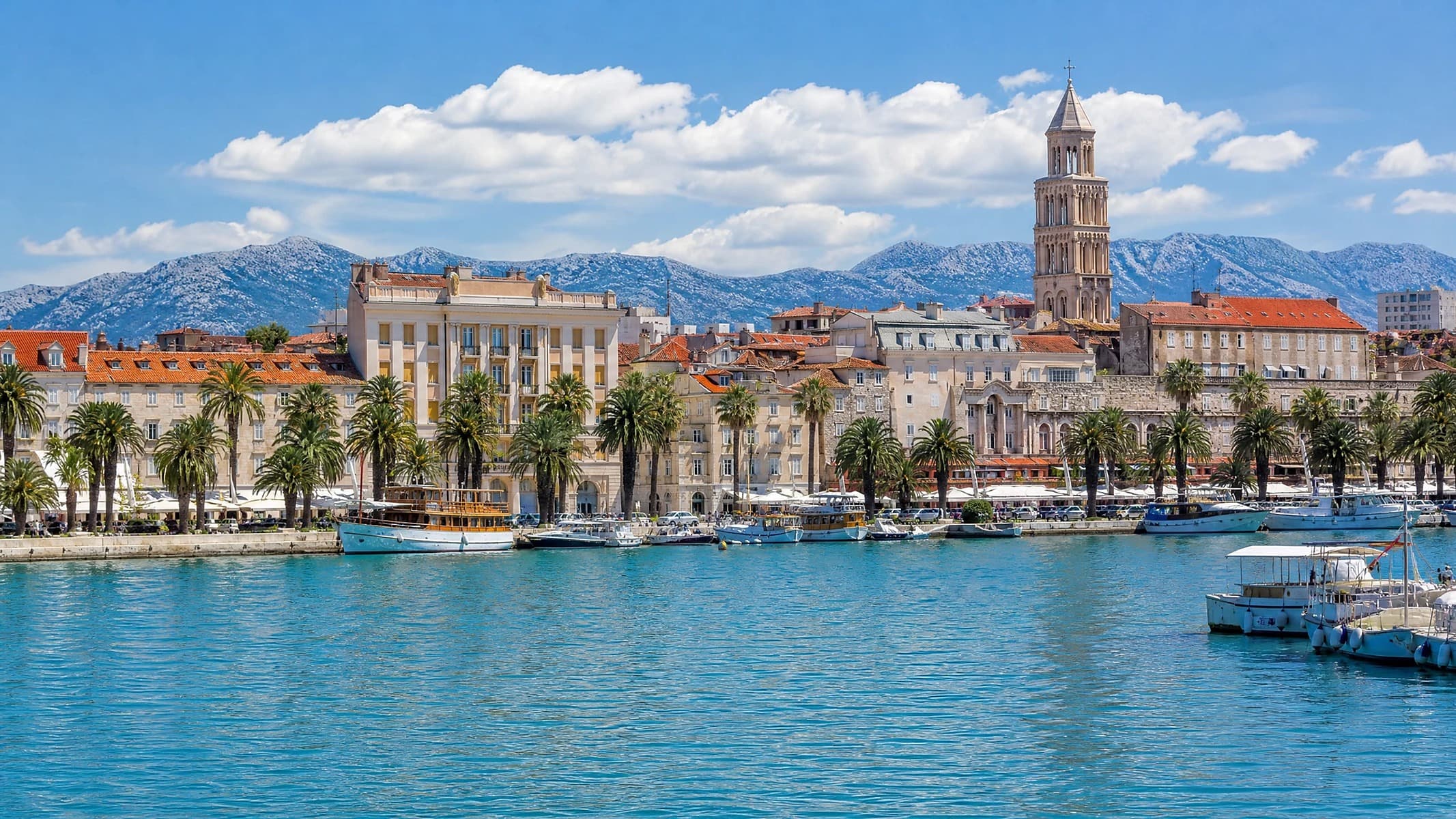
From Split — Diocletian's palace city, now a vibrant mix of Roman ruins, café culture, and yacht harbours — the road heads south along the coast, climbing and descending through a landscape of stone walls, olive groves, and red-roofed villages. The Makarska Riviera offers some of the finest sections, with the Biokovo mountain range rising 1,700 metres directly from the sea.
Ferry hops to the islands of Hvar and Korcula add a different dimension. Hvar is the glamorous one — lavender fields, Venetian architecture, and a harbour full of superyachts. Korcula is quieter and more authentic — a miniature Dubrovnik with a walled old town, excellent wine (the indigenous Grk grape), and a pace of life that has barely changed in centuries.
The journey ends in Dubrovnik — the "Pearl of the Adriatic" — whose medieval walls, marble streets, and terracotta rooftops need no introduction. The approach from the north, descending through cypress-covered hills to the first glimpse of the old city, is one of the great arrivals in European travel.
This is a route best driven in late spring (May-June) or early autumn (September-October), when the crowds thin and the light turns golden.