
Scenic Route Planner: How The Stable Designs Unforgettable Drives
TL;DR
A scenic route planner curates roads, timing, dining, and car-forward stays into a cohesive itinerary — it's not just directions from A to B. The Stable is a digital luxury road trip planner built for classic and sports car owners who care about surface quality, road character, and design-led experiences. Pre-built Route Packs cover regions like the Cotswolds, Napa–Sonoma, and the Dolomites, while fully bespoke builds are tailored to your car, season, and taste. Rally Point navigation, printable PDF roadbooks, and vetted recommendations remove planning friction for affluent, design-conscious travelers. This article covers how to choose and use a scenic route planner, with practical examples for national parks, wine regions, and iconic open road drives.
Introduction
The difference between a forgettable drive and an unforgettable one rarely comes down to distance. It comes down to which road you're on, what time you arrive, and whether the place you stop for lunch deserves the detour. That's what a scenic route planner is really about — and it's exactly what we build at The Stable.
What Is a Scenic Route Planner (and Why It Matters More Than Ever)?
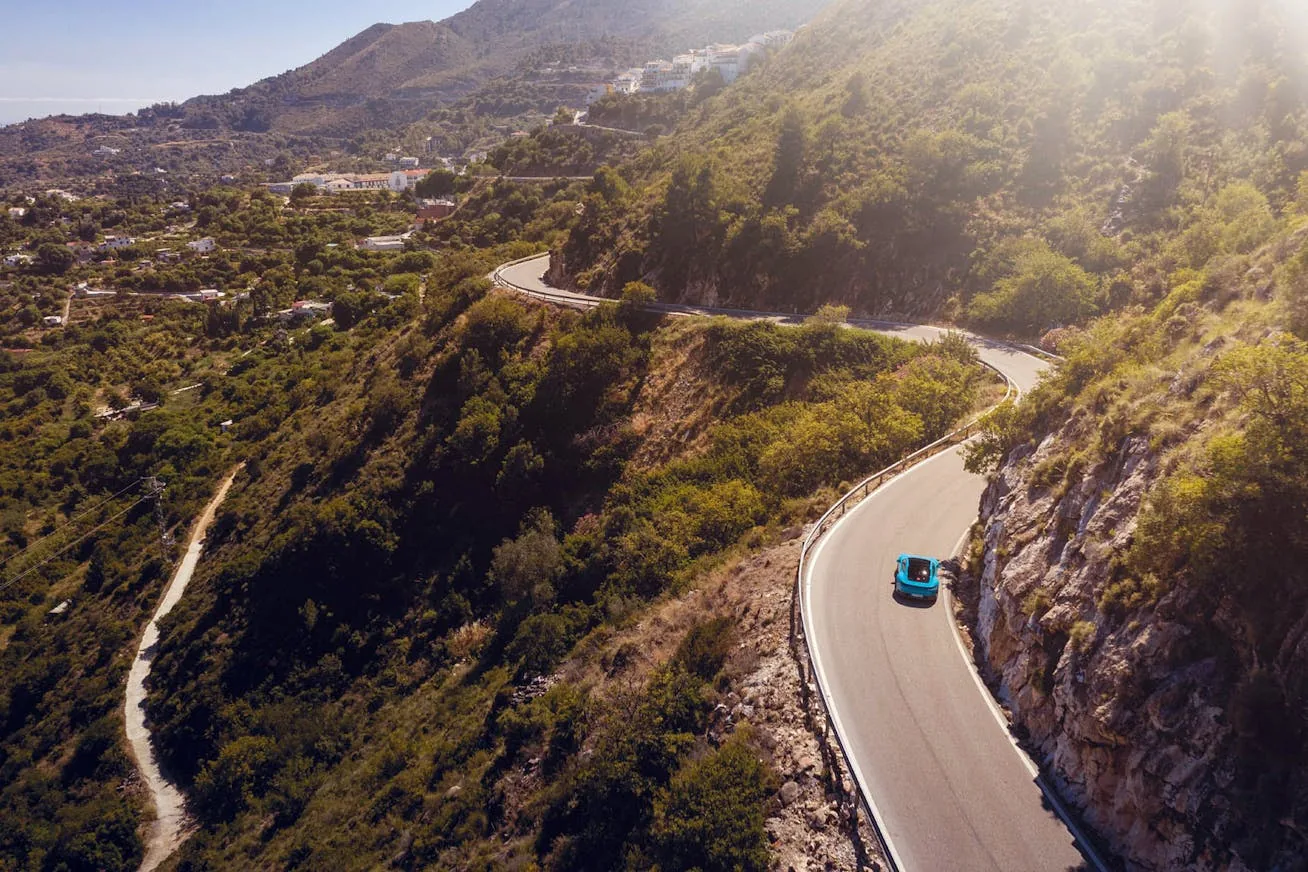
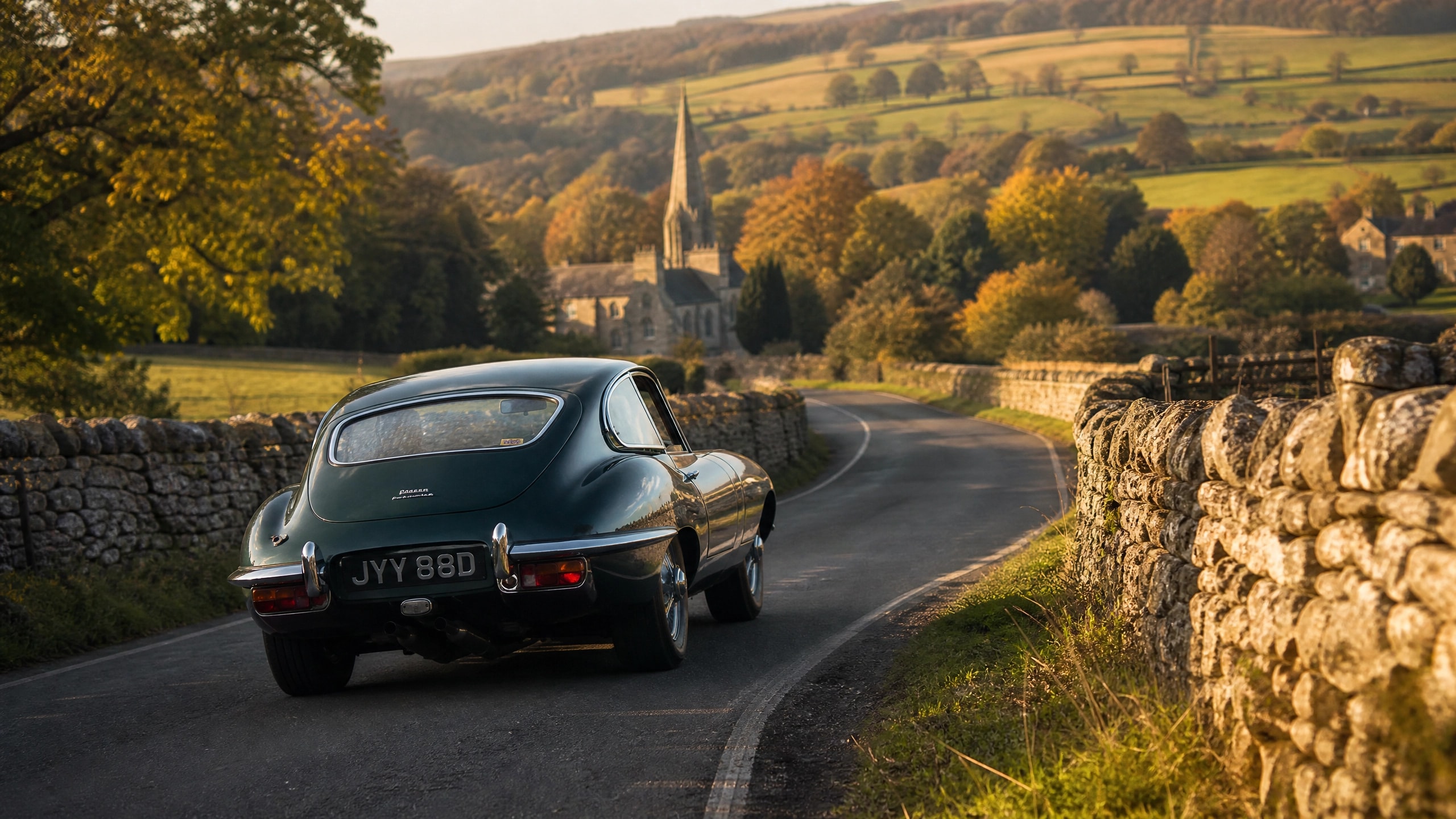
A scenic route planner is a tool or service that optimizes for the joy of driving — landscapes, road character, and curated experiences — rather than the fastest path between two points. Where a generic road trip planner routes you down highways for speed, a scenic planner sends you along twisty B-roads with ocean views, through villages with honey-stone walls, and over mountain passes that reward every gear change.
Think of it this way: planning a 2026 summer long weekend through California's Highway 1 Big Sur segment, a Bavarian Alps loop, or the English Lake District requires more than typing a destination into your phone. It requires knowing which roads feel right, when to stop for lunch, when to arrive at a viewpoint before the crowds, and where to stay in a hotel that won't disappoint a driver who cares about design.
Generic road trip planner tools — even the best ones — are built for the average traveler. They optimize for efficiency, not experience. A scenic route planner built around classic sports car touring, like The Stable, is built for something different: the driver who considers the journey the destination.
The Stable's Approach: What Makes a Scenic Route Planner Different
The Stable was built as a broader brand celebrating drives, stays, gear, and storytelling — a scenic route planner for drivers who want more than a map. Here's what separates a purpose-built scenic planner from generic tools:
Road Selection by Character, Not Just Distance
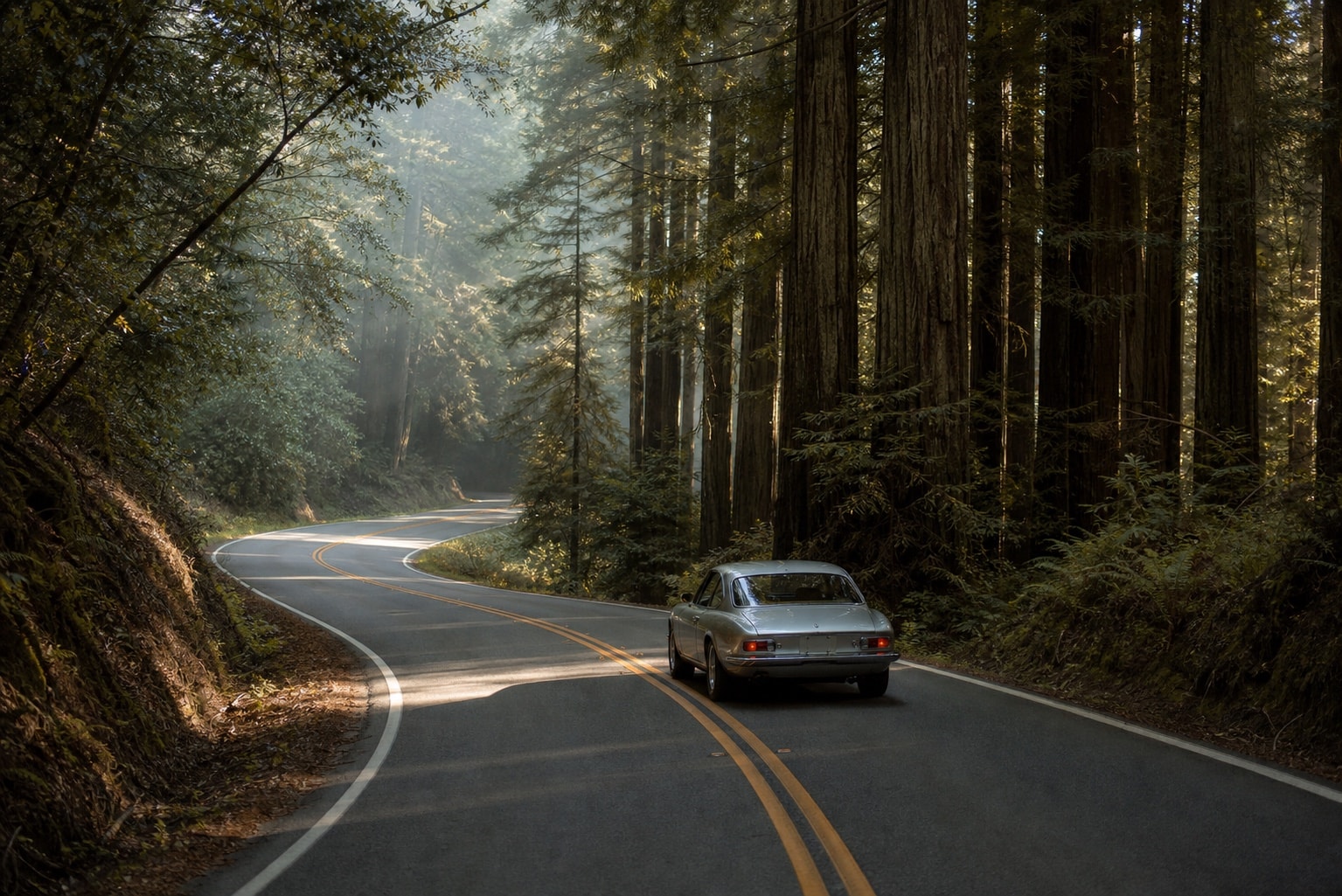
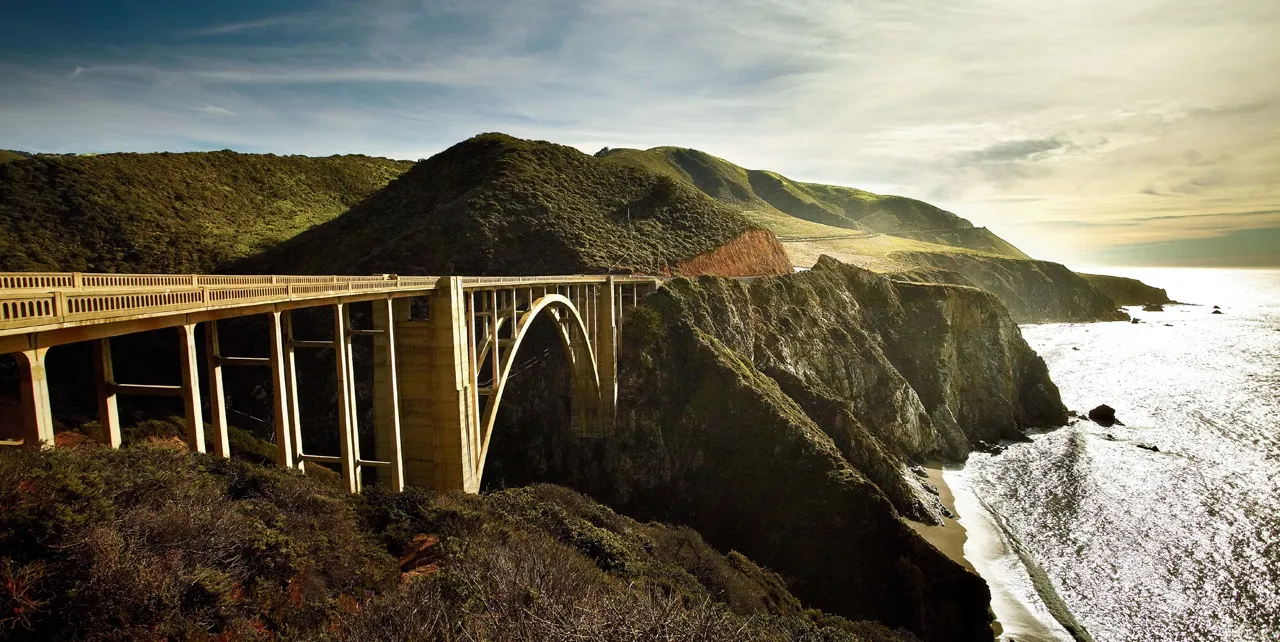
Every route in The Stable's library is selected for road character: surface quality, sight lines, gradient, and the feeling of the car on that specific tarmac. The Big Sur Classic isn't just Highway 1 — it's a curated sequence of roads that builds from coastal drama to canyon switchbacks, timed to arrive at the key viewpoints in the right light.
Rally Point Navigation
Rather than turn-by-turn GPS instructions, The Stable uses Rally Points — waypoints that anchor each day's drive without over-prescribing the experience. This approach, borrowed from classic motorsport navigation, keeps the drive feeling spontaneous while ensuring you don't miss the key moments.
Curated Stays and Dining
A scenic route planner is only as good as its off-road recommendations. The Stable vets curated stays designed specifically for car lovers — properties with garages, scenic approaches, and the kind of design sensibility that makes arriving feel like part of the experience. The same applies to dining: inns known for welcoming car enthusiasts and restaurants worth the detour.
Bespoke Builds for Groups and Rallies
Bespoke planning is well-suited to small group drives and informal rallies. We account for staggered timing, parking capacity, and group-friendly restaurants and hotels. Rally Points create natural regrouping and photo opportunities, keeping each day manageable for mixed-ability drivers across the family or friend group.
How to Use a Scenic Route Planner: A Practical Framework
Whether you're using The Stable's pre-built Route Packs or building your own itinerary, the planning process follows a clear sequence.
Step 1: Define Your Driving Style and Priorities
Before opening a map, answer three questions:
- What kind of roads do you want under your wheels? (Coastal, mountain, forest, vineyard)
- How many miles per day is enjoyable, not exhausting? (For most drivers in a cherished car: 150–250 miles)
- What matters most off the road? (Food, wine, architecture, nature, solitude)
These answers shape everything. A driver who wants maximum road time and minimal hotel-hopping needs a different plan than one who wants to linger in wine country for two nights.
Step 2: Choose Your Region and Season
Scenic driving is deeply seasonal. The Napa & Sonoma Grand Tour is best in late spring or early fall — summer crowds and harvest traffic change the experience significantly. The Lake District Passes are spectacular in October but can be treacherous in January. The Highlands and Islands route rewards patience with weather windows that can shift hour by hour.
Matching your car to the season matters too. A low-slung sports car on mountain passes in early spring may encounter snow at elevation. A convertible in Scotland in June is perfect — the light at 10pm is extraordinary.
Step 3: Select or Build Your Route Pack
The Stable's Route Packs are the fastest path to a well-planned scenic drive. Each pack includes:
- A curated sequence of roads with Rally Point navigation
- Day-by-day distance and timing guidance
- Vetted food and wine stops
- Hotel recommendations with direct booking links
- A printable PDF roadbook for offline use
For drivers who want something tailored to their specific car, dates, and travel companions, bespoke builds start with a conversation about what matters most.
Step 4: Layer in the Details
The best scenic drives are built in layers. Once you have the route skeleton, add:
- Reservations: Yosemite and Glacier have introduced timed-entry reservations — book these months in advance. The same applies to popular restaurants in wine country.
- Weather windows: Check historical weather patterns, not just forecasts. Mountain passes in the Rockies and Alps have predictable weather windows.
- Fuel and charging: For EV drivers, plan charging stops around scenic detours rather than highway stations. The Stable's route notes flag charging infrastructure on all US routes.
Step 5: Leave Room for Spontaneity
The best scenic drives have a loose structure, not a rigid schedule. Build in at least one unplanned afternoon per three days — a village you didn't expect to stop in, a viewpoint that demands an hour, a restaurant that appears in a conversation with a local. The Journal of driving experiences, car culture, and destination guides is full of these moments.
Scenic Route Planning by Region: The Stable's Recommendations
California
California is the world's most varied scenic driving destination. The Big Sur Classic is the iconic choice — 90 miles of coastal drama on Highway 1. For drivers who want more road variety, the Sierra Passes route combines Tioga Road, Monitor Pass, and Ebbetts Pass into a multi-day high-altitude loop that rewards every mile.
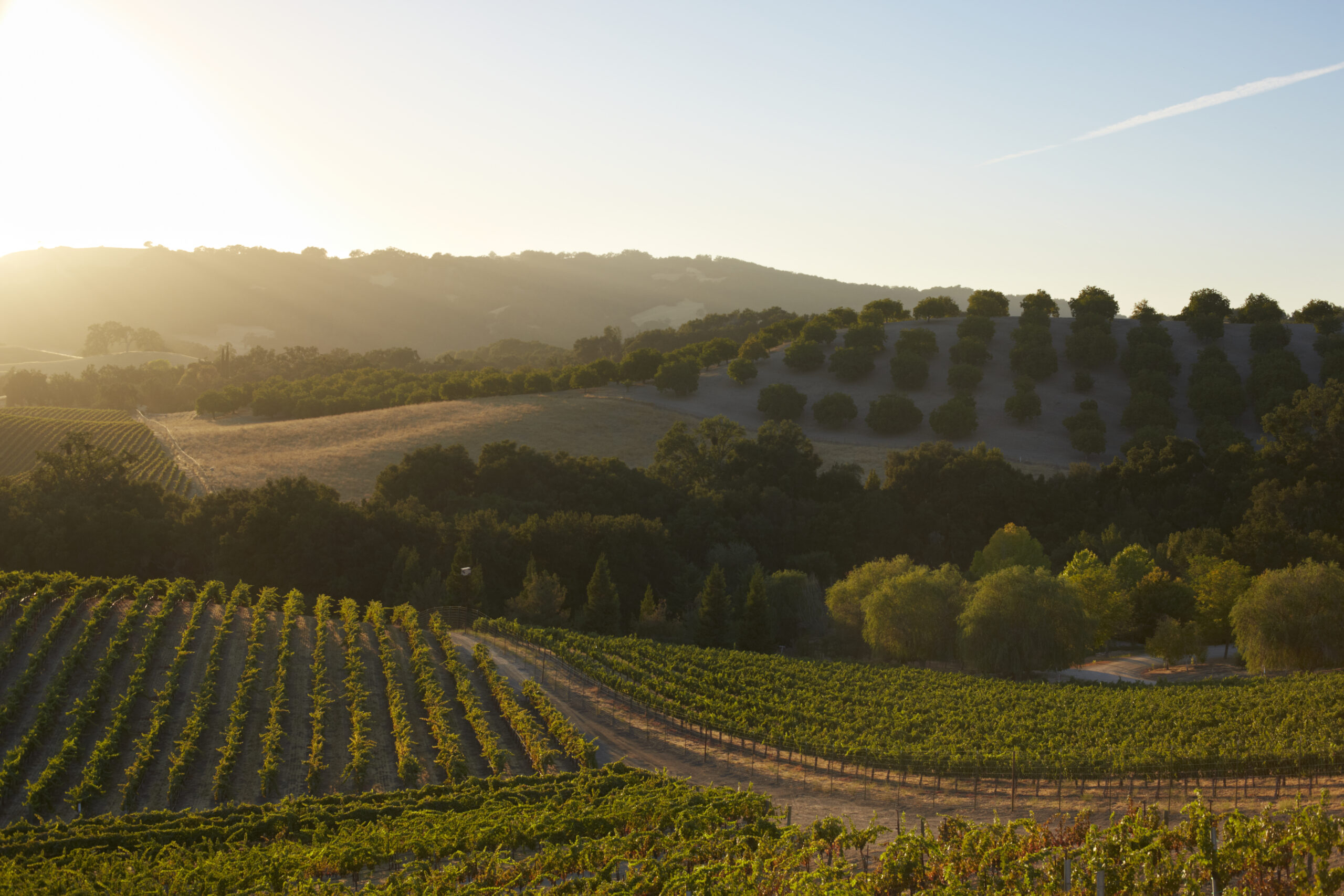
Wine country deserves its own trip. The Napa & Sonoma Grand Tour and Paso Robles Wine Country routes are built around the roads between the vineyards, not just the tasting rooms. The Central Coast Crossing connects Santa Barbara to Monterey via the Cuyama Valley and Carrizo Plain — a route that most California drivers have never driven.
Pacific Northwest
The Oregon Coast route is one of the most underrated scenic drives in North America — 363 miles of dramatic coastline with far fewer crowds than California. The Columbia Gorge & Cascade Volcanoes route combines the Columbia River Highway with the Mount Hood Loop for a two-day drive that covers waterfalls, volcanic landscapes, and some of the best road surfaces in the region.
United Kingdom
The UK's scenic driving network is extraordinary for its density — within a two-hour drive of most major cities, you can be on roads that feel genuinely remote. The Yorkshire Dales & Buttertubs Pass is one of the most technically rewarding drives in England: narrow, fast, and spectacular. The Lake District Passes route covers Hardknott Pass, Wrynose Pass, and the Kirkstone Pass in a single day — a rite of passage for any British sports car owner.
Scotland offers the most dramatic scenery in the British Isles. The North Coast 500 Condensed distills the best 500 miles of the NC500 into a focused itinerary, and the Highlands and Islands route adds the Applecross Peninsula and Bealach na Bà — one of the steepest roads in the UK.
What a Good Scenic Route Planner Gets Right That Generic Tools Miss
The gap between a generic road trip planner and a purpose-built scenic route planner comes down to four things:
1. Road Quality Intelligence
Generic tools don't know that a particular B-road has been resurfaced and is now exceptional, or that a famous mountain pass has deteriorating tarmac that makes it unpleasant in a low-profile sports car. The Stable's routes are updated based on real-world experience with the cars we've owned and driven.
2. Timing and Light
The difference between arriving at a viewpoint at 2pm versus 6pm can be the difference between a forgettable photo and a defining image of the trip. Scenic route planning accounts for the direction of light, the timing of crowds, and the rhythm of the day.
3. The Right Stops
Hagerty recommends building road trips around destinations worth stopping for — not just fuel and food. The Stable's route notes include specific recommendations for galleries, viewpoints, markets, and experiences that most travelers never find.
4. Gear and Preparation
A scenic drive in a cherished car requires preparation that generic planners don't address. The right travel bags for a sports car boot, curated driving and travel essentials, and the right documentation for cross-border drives in Europe are all part of the planning process.
Scenic Route Planning for National Parks
National parks are among the most spectacular scenic driving destinations in the world — and among the most logistically complex. Timed-entry reservations, limited parking, and seasonal road closures require planning that goes beyond a standard route planner.
The Stable's approach to national park drives:
- Book reservations early: Yosemite, Glacier, and Rocky Mountain all require advance reservations during peak season. Check the NPS website for the current year's reservation windows.
- Drive the park roads, not just through them: The Going-to-the-Sun Road in Glacier, Tioga Road in Yosemite, and Trail Ridge Road in Rocky Mountain are the drives — not just the access roads.
- Stay outside the park: Gateway towns like Gardiner (Yellowstone), Moab (Arches), and Mammoth Lakes (Yosemite) offer better accommodation options and easier access to early-morning park entry.
- Plan for weather: Mountain park roads can be closed by snow as late as June and as early as September. Check road status the morning of your drive.
Scenic Route Planning for Wine Regions
Wine country drives combine two of the great pleasures of travel: exceptional roads and exceptional food and wine. The planning challenge is balancing driving time with tasting time — and ensuring you're not driving after too many pours.
The Stable's wine country planning principles:
- Drive in the morning, taste in the afternoon: The roads are quieter, the light is better, and you arrive at tastings refreshed rather than road-weary.
- Book tastings in advance: The best producers in Napa, Burgundy, and Barossa require reservations — sometimes weeks in advance.
- Choose a base: Rather than moving hotels every night, choose a central base and drive out in different directions each day. This reduces packing and unpacking and lets you linger at dinner.
The Napa & Sonoma Grand Tour and Paso Robles Wine Country routes are built around this framework.
The Future of Scenic Route Planning
The best scenic route planners are moving toward personalization at scale — routes that adapt to your car, your pace, and your interests, updated in real-time with road conditions, weather, and availability. The Stable's curated driving routes and car-culture stories are part of this evolution: a living library of drives that grows with every trip we take and every road we discover.
For drivers who want to stop planning and start driving, reach out to start a conversation about a bespoke build. For those who want to explore the library first, the Route Packs are the fastest way to find your next great drive.
The Stable is a scenic route planner and luxury road trip platform built for classic and sports car owners. All routes are personally researched and regularly updated.