
This guide covers how to plan self-guided food and wine driving tours that pair exceptional roads with world-class dining and wine tasting. The Stable provides curated Route Packs with Rally Point navigation, GPX files, and dining frameworks for regions like Napa, Sonoma, Santa Ynez, Paso Robles, Tuscany, and Burgundy. Plan 2-3 winery visits per day, budget $200-400 daily per person, and book key tastings 4-8 weeks ahead. The best months are May, September, and October. Always designate a driver and structure tastings around lunch for safety.
Introduction
Welcome to your definitive guide to self-guided and curated food and wine tours—road trips designed for drivers and car enthusiasts who travel by taste. This guide is crafted for those who want to combine the thrill of driving scenic, driver-focused routes with the pleasures of culinary discovery and wine tasting. Whether you’re a classic car owner, a performance EV driver, or simply someone who loves the open road, this resource will help you plan a journey where the drive is as memorable as the meals and bottles you encounter along the way.
Food and wine tours are more than just a series of tastings—they are immersive culinary road trips that blend local cuisine, wine, and culture with the freedom and excitement of self-guided travel. This guide covers both food and wine experiences, ensuring that travelers seeking culinary adventures on the road have all the tools and inspiration they need. The Stable provides curated routes, navigation, and a reservations framework to reduce planning friction, so you can focus on savoring every mile and every meal.
Why does this matter? For drivers and car enthusiasts, the unique combination of engaging roads and world-class food and wine creates an experience that group tours and standard itineraries simply can’t match. The journey itself becomes a key part of the adventure, transforming a simple tasting trip into a memorable, multi-sensory escape.
Identifying Your Food and Wine Tour Goals
Before you hit the road, it’s important to identify your goals for a food and wine tour. Are you seeking an educational experience, hoping to learn about local wine production and culinary traditions? Do you want to indulge in fine-dining and exclusive tastings, or are you after a more casual, laid-back journey with spontaneous stops and local flavors? Clarifying your intentions will help you choose the right destinations, experiences, and pace for your trip, ensuring your food and wine road trip is tailored to your personal tastes and interests.
Key Takeaways
- This guide is for drivers planning self-guided food and wine tours in their own car, with The Stable providing curated routes, navigation, and a reservations framework to reduce planning friction.
- The focus is on pairing driver-focused roads with serious food and wine in regions like Napa Valley, Sonoma, Santa Ynez, Temecula, Paso Robles, Tuscany, and Burgundy.
- The Stable offers digital Route Packs and custom-built itineraries that handle route design, Rally Point navigation, and dining booking frameworks, while you bring your own car.
- Some itineraries can include luxury transportation options for those seeking a more elevated experience.
- Self-guided wine tours offer control over pace, road selection, and stops that group tours cannot match, making them ideal for car enthusiasts who view the drive as part of the experience.
- Private tour options are available for travelers who want a more personalized and exclusive experience.
- The article covers practical timing, budgeting, safety protocols, and packing tips specific to food and wine road trips in 2026.
What Are Food and Wine Tours Today?
Food and wine tours often include curated tastings of local cuisine and beverages, combining cultural, historical, and culinary experiences. These tours have evolved dramatically from the bus-based tastings of decades past. What was once a 40-seat coach rolling through wine country with fixed stops and shared pours has transformed into something more personal: immersive, multi-day culinary journeys that reward curiosity and planning.
Food and wine tours often include immersive experiences that allow participants to learn about local cuisine and wine production. The distinction matters. Many travelers now prefer a small group tour or private transportation for a more intimate and flexible experience. A classic shared bus wine tour in Napa or Temecula Valley moves on a schedule dictated by the group. You arrive when the bus arrives. You leave when the tour guide says. The roads taken are chosen for ease of bus navigation, not for the pleasure of driving them.
A curated self-drive itinerary flips this entirely. You control the pace, the roads, and the stops. Consider the difference: a standard 3-winery coach tour in Napa in 2026 versus a 3-day driving loop through Napa and Sonoma with reservations at single-vineyard tastings and chef’s counter dinners. One is transportation. The other is travel.
This article is written from The Stable’s perspective, speaking directly to wine lovers who want the road itself to be as memorable as the meals and bottles. The entire experience of reaching a winery, from the surface quality of the approach road to the views from the parking area, contributes to the day. For drivers who care about these details, self-guided food and wine tours offer something group tours simply cannot.
Why Pair Driving Routes With Food and Wine?
The car is part of the experience. For owners of classic 911s, Vantage GTs, M cars, or performance EVs like the Taycan, the journey through wine country is not simply a means of getting to the next tasting room. It is an essential layer of the trip.
Great food and wine regions are often wrapped in superb driving roads. The twisty backroads climbing above Napa Valley toward Howell Mountain. The Foxen Canyon Wine Trail winding through Santa Barbara County’s rolling hills. The SR 46 corridor cutting into Paso Robles with its endless vineyard vistas. These roads deserve to be driven in something you love.
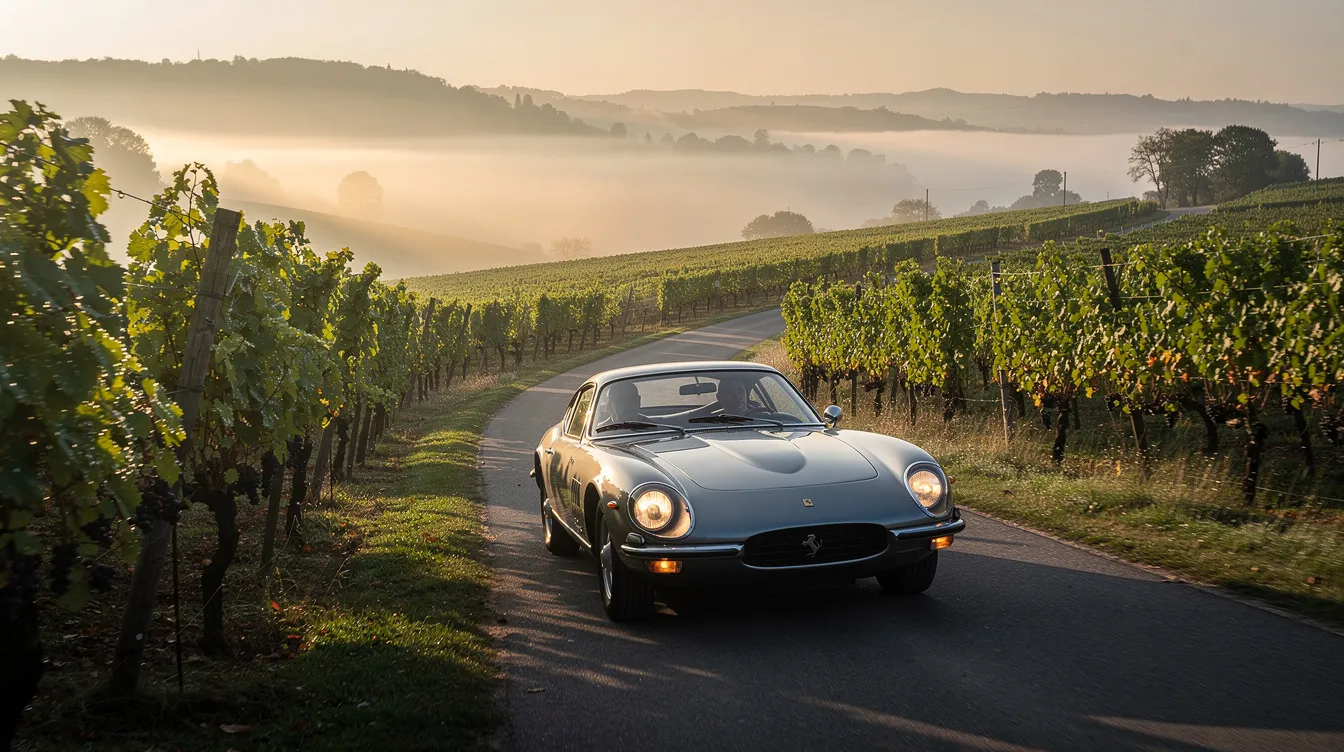
When evaluating a food and wine route, three dimensions matter:
- Quality of tarmac: Smooth surfaces, good camber, minimal traffic, and varied rhythm that rewards an engaged driver.
- Scenery: Vineyard rows, oak-studded hillsides, coastal views, and the natural beauty that makes wine regions visually compelling.
- Access to kitchens and cellars: Proximity to carefully selected wineries, restaurants, and local producers that justify the destination. Planning around alcohol is non-negotiable. Great tours emphasize designated drivers, tasting strategies like spitting or requesting half pours, and smart scheduling. The Stable often structures routes so the heaviest tasting falls during late lunch, with a slower, more relaxed drive afterward on gentler roads.
Signature Food and Wine Roads in California
California’s wine country offers some of the finest driving and tasting combinations anywhere. Here are four corridors worth knowing for 2026: Each route features stops at favorite wineries, from renowned estates to hidden small wineries celebrated for their unique character. Each route also includes dining tips to help travelers make the most of local cuisine near the wineries.
Napa Valley: Silverado Trail and Howell Mountain
The Silverado Trail runs parallel to Highway 29 but with less traffic and better road feel. Morning light on the eastern slopes creates ideal conditions for photography and driving. Side roads climbing toward Howell Mountain add elevation and technical interest.
- Wineries: Cade Estate for mountain cabernet sauvignon, Quintessa for biodynamic Bordeaux blends
- Dining: Bottega in Yountville offers Italian-influenced California cuisine with parking that accommodates longer vehicles
Sonoma County: Westside Road and Dry Creek Valley
Westside Road follows the Russian River through towering redwoods and vineyards, with gentle curves and excellent sightlines. Dry Creek Valley adds small-production zinfandel and rustic charm.
- Wineries: Williams Selyem for pinot noir (reservations essential), Ridge Vineyards at Lytton Springs
- Dining: The Matheson in Healdsburg for a walkable dinner after checking in
Santa Barbara County: Santa Ynez Valley and Foxen Canyon Wine Trail
The Foxen Canyon Wine Trail offers quiet, winding roads through Santa Barbara wine country’s heart. The Santa Ynez Valley delivers world class wineries producing pinot noir and chardonnay alongside small town charm in Los Olivos.
- Wineries: Foxen Winery for solar-powered tastings and local wines, Fess Parker for a range of Santa Barbara County bottlings
- Dining: Los Olivos Wine Merchant for lunch on the patio, S.Y. Kitchen for dinner
Temecula Valley: Rancho California Road Backroads
The Temecula wine scene has matured considerably. Backroads off Rancho California Road lead to hilltop estates with views stretching toward the Pacific. The town Temecula provides a walkable base.
- Wineries: Callaway Winery for established cabernet and chardonnay programs, South Coast Winery for overnight stays with on-site dining
- Dining: The Restaurant at Ponte for sunset views over Temecula wine country A typical day flows like this: morning departure from San Francisco or Los Angeles, scenic drive on carefully chosen roads, 2-3 wine tastings spaced through the day, and a dinner stop where the designated driver can finally enjoy pairings, followed by an overnight stay at a car-friendly property.
The Stable’s California Route Packs in development prioritize quiet lanes over highway slogs while still passing through established AVAs like Napa Valley, the Santa Ynez Valley, and Paso Robles.
European Food and Wine Drives for Enthusiast Travelers
Many drivers dream about combining Alpine passes or Tuscan hill roads with cellar tastings and long lunches. Europe delivers on this promise with three regions that pair exceptional driving with world class wines and food. Each region offers tasting tours that immerse travelers in the unique history and traditions of local winemaking.
Tuscany: Chianti Classico
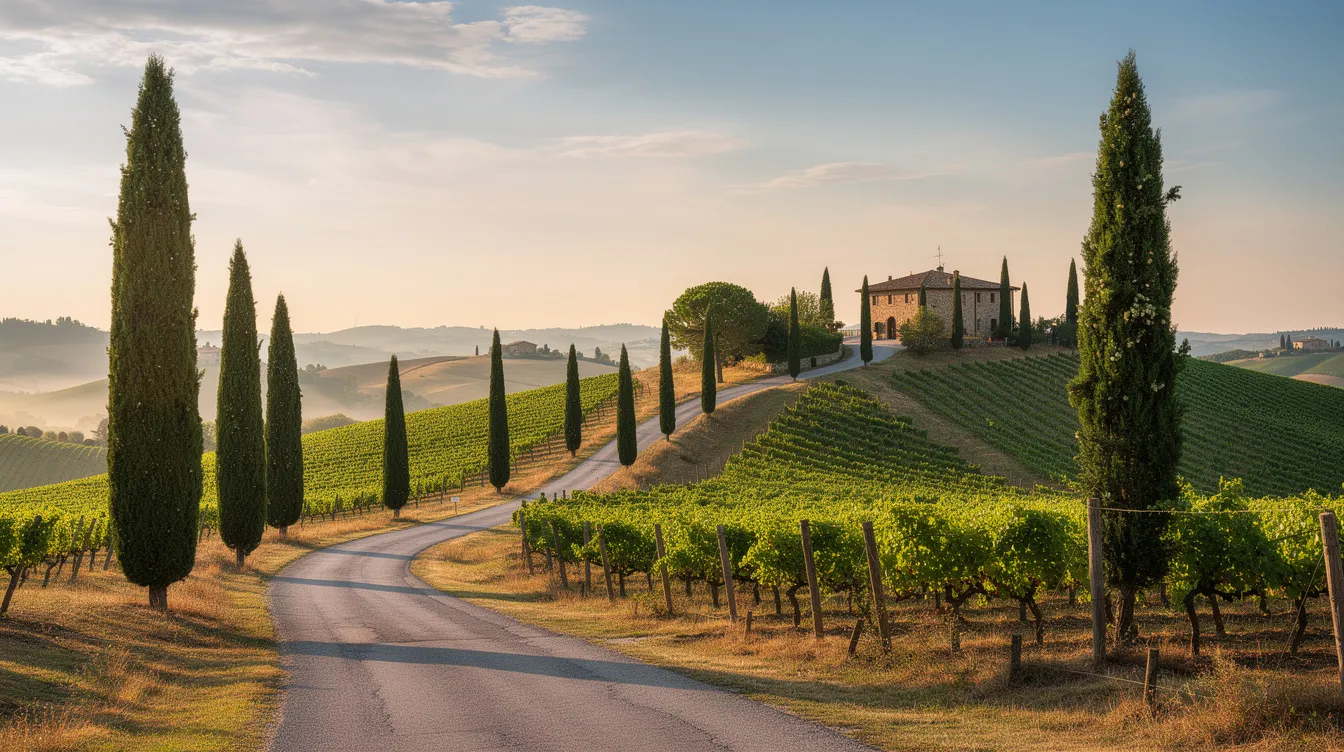
The SR 222, known as the Chiantigiana, runs between Florence and Siena through cypress-lined curves and medieval villages. The road rewards precise driving, and the wines reward patience.
- Wines: Chianti Classico DOCG, Brunello di Montalcino, Super Tuscans
- Dishes: Bistecca alla fiorentina, pici cacio e pepe, ribollita
- Stay: A converted farmhouse near Greve in Chianti with courtyard parking
Burgundy: Route des Grands Crus
From Dijon to Santenay, the Route des Grands Crus passes through some of the most valuable vineyard land on earth. The roads are modest but the cellars are legendary, and many are family run wineries with private cellars open by appointment.
- Wines: Pommard Premier Cru, Gevrey-Chambertin, Meursault
- Dishes: Boeuf bourguignon, coq au vin, gougères
- Stay: A small hotel in Beaune within walking distance of wine shops and restaurants
Douro Valley, Portugal
The N222 along the Douro River has been called one of the best driving roads in the world. Terraced vineyards drop to the water, and the road twists through centuries of grape growing history.
- Wines: Douro DOC reds, vintage Port, white Port
- Dishes: Bacalhau à brás, francesinha in Porto
- Stay: A quinta overlooking the river with dinner included While The Stable is rooted in California, its planning principles apply equally well to European touring holidays in a GT car or modern EV. Shoulder seasons like May to early June and late September to October offer lighter traffic and harvest energy.
How Food and Wine Road Trips Differ From Classic Group Tours
The difference between a shared coach tour and a couple in their own car on a curated route comes down to control, quality, and fit.
Factor
Group Tour
Self-Guided Drive
Timing
Fixed schedule
You set the pace
Road selection
Bus logistics
Driving pleasure
Detours
Not possible
Farm shops, bakeries, oyster shacks
Privacy
20-40 guests
Just your party
Cost per person
Often lower upfront
Higher but more tailored
Key advantages of self-guided food and wine tours:
- Control of timing and pace at each winery or restaurant
- Road quality and scenery chosen for driving pleasure, not bus logistics
- Ability to detour to hidden gems between tastings
- Better suited to couples or small groups traveling in one or two cars
- Opportunity to buy wine and load it directly into your car The tradeoffs deserve acknowledgment. Group tours eliminate driving responsibility entirely, which suits those who want everyone drinking. Self-guided trips require stricter planning around alcohol and fatigue.
The Stable offers a middle path: flexibility of self-drive with reduced planning friction through vetted routes and pre-tested stops, reflecting its broader mission as a car-culture-led travel brand.
Building a Food and Wine Itinerary With The Stable
The Stable is a B2C digital planning brand created for classic and sports car owners who want taste-led escapes without doing weeks of research. We exist to take the friction out of planning without removing the pleasure of driving.
Two core products serve this mission, alongside storytelling in The Stable Journal:
Ready-made Route Packs: Pre-built itineraries for popular corridors. Examples include a 3-day Napa and Sonoma loop or a 2-night Santa Ynez and Foxen Canyon weekend. Each pack delivers a tested, curated experience.
Bespoke Custom Builds: For special occasions, specific cars, or particular wine styles, custom builds tailor every detail to your preferences.
Each Route Pack typically includes:
- GPX files or Rally Point style navigation
- Daily mileage plans with realistic timing
- Suggested tasting appointments at top wineries
- Lunch and dinner reservations framework
- Car-focused lodging with secure parking and, where available, EV charging, anticipating a future layer of curated car-friendly stays A sample day might look like this: depart a design-led hotel in Healdsburg at 9:30 AM, drive Westside Road through redwoods to Dry Creek, enjoy a 90-minute seated tasting, then lunch at a known local spot with Central Coast wines by the glass. Two afternoon tastings follow, paced with coffee and water, before a sunset roll back to a boutique inn with underground parking.
The Stable does not run buses or provide rental cars. Guests drive their own vehicles. We handle the curation and structure.
Timing, Budgeting, and Booking for 2026
Food and wine travel has rebounded strongly by 2026. Advance planning matters, especially for weekends in top wine regions like Napa, Sonoma, and Tuscany.
Budget Guidance for a 3-Day Self-Guided Trip for Two
Category
Approximate Range
Tastings (5-6 total)
$300-600
Fuel
$80-150
Meals (2 lunches, 2 dinners)
$400-800
Lodging (2 nights)
$500-1,200
Total
$1,280-2,750
Premium experiences in Napa Valley often run $60-120 per person per stop for seated tastings with fine wine. The tasting fee at smaller wineries may run lower, especially in emerging regions like Temecula or the Central Coast.
Reservations are essential in 2026. Many wineries in Napa Valley, Santa Barbara County, and European regions now require pre-booked tastings with fixed start times. Walk-ins at production facilities are increasingly rare at sought-after estates.
Secure dinner reservations at least 4-6 weeks out during peak months (May, September, October) for Michelin or top bistro tables along your route. The Stable’s itineraries are built around current 2026 opening hours and tasting formats so drivers do not hit closed doors or rushed slots.
Driving, Tasting, and Staying Safe
Any food and wine road trip should put safety of driver, passengers, and other road users above everything else. This is not negotiable.
Safe touring practices:
- Always have a designated driver who spits or limits pours throughout the day
- Stick to 2-3 winery visits per day, focusing on depth rather than volume
- Schedule the most technical roads for mornings before wine tastings begin
- Use longer lunch stops with food and water to pace the day
- Never underestimate how fatigue compounds with even small amounts of alcohol Local regulations carry real consequences. Legal limits exist in California, Italy, and France, and enforcement on popular wine roads has increased since 2024. A wonderful experience can turn serious quickly.
The Stable’s sample day patterns are designed to keep the most demanding driving before or well separated from tastings and long dinners. This is by design.
Where to Stay on a Food and Wine Road Trip
The right accommodation respects both good sleep and car security. For drivers of classic cars or performance vehicles, parking is not an afterthought.
Ideal lodging types for food and wine drives:
- Boutique inns within walking distance of key restaurants: Eliminates the need to drive after dinner
- Vineyard stays with on-site dining: Wine, dinner, and breakfast without moving the car
- Design-forward motels with visible parking: Secure sight lines for classic cars Regional examples:
Region
Property Type
Key Feature
Napa Valley
Stylish inn in Yountville
Walkable to restaurants
Santa Ynez Valley
Farmhouse retreat near Los Olivos
On-site breakfast, quiet roads
Temecula
South Coast Winery resort
Vineyard views, spa, on-site tasting
Tuscany
Converted villa near Greve
Courtyard parking, estate olive oil
Burgundy
Hotel in Beaune
Walk to cellars and bistros
The Stable prioritizes properties with secure or private parking, EV charging where possible, and breakfast times that work with early scenic drives and mid-morning tastings.
Staying at least two nights in a single base reduces packing fatigue and allows one fully car-free evening if desired. Drinking wine becomes possible when walking is the only transportation required.
What to Eat Along the Way
Regional food defines the memory of a road trip as much as the wine or the roads. The smell of wood smoke from a Santa Maria pit, the brine of Tomales Bay oysters, the char on a bistecca in Tuscany. These are the textures that stay with you. Central Coast Pairings
- Central Coast: Santa Maria style tri-tip with Paso Robles SyrahSonoma Coast Pairings
- Sonoma Coast: Dungeness crab or oysters with Sonoma ChardonnaySanta Barbara Pairings
- Santa Barbara: Oak-grilled fish with sauvignon blanc from Happy CanyonTuscany Pairings
- Tuscany: Handmade pici with ragù and Chianti ClassicoBurgundy Pairings
- Burgundy: Escargot and Aligoté, coq au vin with Pommard Long, view-filled lunches near midday anchor the driving day. Evenings focus on one great tour dinner rather than multiple stops.
Small discoveries matter. Roadside taquerias near Santa Barbara. Olive oil tasting off Highway 246. Bakeries in small French hill towns that become go-to breakfast stops. These beaten path diversions often produce the most memorable bites.
The Stable’s Route Packs flag reliable espresso, bakery, and casual lunch options that fit between tasting appointments and driving segments. An amazing trip includes both the planned stops and the spontaneous ones.
Wine Tasting Basics for Drivers and Companions
You do not need to be a sommelier to enjoy a food and wine road trip. Curiosity matters more than expertise. But a little vocabulary adds to the experience.
Core concepts in simple terms:
- Body: The weight of wine in your mouth. Full-bodied Napa Valley wine cabernet feels heavier than light-bodied Beaujolais.
- Acidity: The brightness or crispness. High-acid sauvignon blanc tastes lively. Low-acid dessert wines feel rounder.
- Tannin: The drying sensation from grape skins and oak. Cabernet sauvignon has more tannin than pinot noir.
- Finish: How long the flavors linger after swallowing. Great wine has a long finish.
- Terroir: The combination of soil, climate, and geography that makes each wine region distinct. Tasting tips for drivers:
- Use spit buckets without embarrassment. Every professional does.
- Share flights between two people to reduce volume- Focus on 3-5 wines per stop instead of full lineups- Ask for sparkling wine or lighter wines early, heavier reds later Many wineries in 2026 offer structured seated tastings of 3-5 wines with food bites. This format fits a considered road-trip day far better than open bar tastings.
Understanding why a high-altitude Temecula Syrah tastes different from a coastal Santa Barbara pinot noir adds another layer to the drive. The wine becomes part of the landscape you just drove through.
What to Pack for a Food and Wine Road Trip
Packing for a food and wine tour differs from a typical road trip. Bottles, nicer dinners, and car care needs all require consideration.
Clothing:
-
Smart casual layers suitable for cellar temperatures (55-60°F) and terrace lunches
-
Comfortable walking shoes for vineyard rows and cellar tours
-
At least one outfit for a tasting menu or Michelin-starred evening
-
A light jacket for cool wine caves and evening drives Car Gear:
-
Tyre inflator and basic tool kit
-
Microfibre cloths and quick detailer for dust removal- Any tools specific to your classic model
-
Spare key and breakdown documentation Wine Logistics:
-
Boot space planning before departure- Wine shipper boxes or insulated bags for bottles bought en route- Packing material for fragile bottles- Consider shipping services for larger purchases Tech:
-
Secure phone mount for navigation
-
Offline maps downloaded in case of poor signal
-
Access to The Stable’s digital roadbooks or Rally Point navigation
-
Camera for documenting the car in vineyard settings Pack light overall so luggage leaves room for wine and local products on the return leg. An amazing guide to wine country accounts for the bottles you bring home.
Buying Wine and Olive Oil on the Road
There’s something uniquely satisfying about buying wine and olive oil right where they’re made—especially when your journey takes you through California’s legendary wine country. Whether you’re winding through the sun-drenched vineyards of Napa Valley, exploring the rustic charm of Santa Barbara wine country, or discovering the rolling hills of Temecula wine country, each stop offers a chance to taste, learn, and bring home a piece of the region.
Many wineries along these routes open their tasting rooms to visitors, offering curated wine tastings that showcase everything from bold cabernet sauvignon and crisp sauvignon blanc to elegant pinot noir and sparkling wine. Some of the top wineries even invite you into private cellars for a more intimate look at their award-winning wines, while family run wineries often share stories and vintages you won’t find anywhere else. Don’t be surprised if a tasting fee is waived or credited toward your purchase when you buy wine on site—a welcome perk for wine lovers looking to stock up on local wines.
Beyond the wine, California wine tours often reveal another local treasure: olive oil. Many wineries and dedicated producers offer olive oil tastings, letting you sample the freshest oils pressed from estate-grown olives. These tastings can be a revelation, especially when paired with fresh bread or woven into cooking classes that deepen your appreciation for the region’s flavors. Some estates even offer wine and food pairings that highlight how olive oil and wine can elevate a meal together.
As you travel, keep an eye out for hidden gems—those small-town tasting rooms, family-run wineries, and roadside stands that offer a taste of the region’s authentic character. These stops often become the highlight of an amazing trip, offering not just great wine and olive oil, but also the kind of small town charm and personal connection that make for an unforgettable experience.
When it comes to logistics, consider how you’ll transport your finds. Many wineries offer shipping services or sell wine shipper boxes to protect your bottles on the road. If you’re planning to buy wine or olive oil in quantity, ask about shipping policies and options for home delivery—especially useful if your car is already packed with luggage and souvenirs.
Ultimately, the joy of California wine tours is in the discovery: tasting new varietals, meeting passionate producers, and bringing home bottles that will remind you of the rolling hills, the sunlit afternoons, and the wonderful time spent exploring wine country. Whether you’re a seasoned collector or simply looking for a few bottles to share with friends, buying wine and olive oil on the road is a delicious way to make your great tour last long after the drive is over.
Sample 3-Day Food and Wine Drive Itinerary (Napa and Sonoma)
This itinerary outlines a long weekend starting from San Francisco in 2026.
Day 1: San Francisco to Napa Valley
Morning: Depart San Francisco by 9 AM. Cross the Golden Gate Bridge and follow scenic Highway 37 east, then Highway 121 north into Carneros. The roads flatten through marsh and vineyard with good sightlines.
Midday: Lunch with a glass of sparkling wine at a Carneros estate with vineyard views. Domaine Carneros offers terrace seating and an easy parking lot.
Afternoon: One focused tasting on the Silverado Trail. A mountain winery with cabernet sauvignon gives a sense of Napa’s range. Check in to a boutique inn in Yountville by 4 PM.
Evening: Walkable dinner at a notable Yountville restaurant. Bistro Jeanty or Bottega, depending on preference. No car needed.
Day 2: Napa to Sonoma County
Morning: Easy drive over to Sonoma via Trinity Road or Oakville Grade, depending on your car’s comfort with tight switchbacks. Coffee stop in Glen Ellen at a local bakery.
Midday: Tasting and farm-to-table lunch along Sonoma’s Westside Road. The drive through redwoods justifies the route regardless of destination.
Afternoon: Second tasting in Dry Creek Valley. Ridge Vineyards at Lytton Springs or a small producer by appointment. Slow scenic loop back to Healdsburg through Alexander Valley.
Evening: Dinner in Healdsburg and a relaxed stroll around the plaza. Many wineries have tasting rooms in town for a final glass.
Day 3: Sonoma to San Francisco
Morning: Optional farmers market or bakery stop. A short, scenic detour through Alexander Valley takes 45 minutes and passes through excellent pinot noir territory.
Midday: Final light tasting or vineyard walk without alcohol for the driver. Buy wine for the journey home if space allows.
Afternoon: Return drive to San Francisco via Highway 101. A coffee stop at a viewpoint offers final photos of the car and the landscape before the urban return.
A Route Pack from The Stable wraps around this structure: pre-tested driving times, parking notes, tasting suggestions at world class wineries, and built-in rest windows for both car and driver. The unforgettable experience is planned in advance. You simply drive it.
FAQ
How many wineries should I plan to visit in one day on a self-guided food and wine drive?
Two to three winery visits per day is ideal when you are also enjoying scenic driving, long lunches, and photo stops. This slower pace allows time for unhurried tastings, conversations with winery owners and staff, and safe driving between appointments. The Stable’s sample days typically include a mid-morning or pre-lunch tasting, a long lunch, and one structured afternoon tasting. Rushing through more stops diminishes both the driving experience and the appreciation of each wine.
Do I need to be an expert on wine to enjoy a food and wine road trip?
No prior knowledge is required. Curiosity matters more than expertise. Modern tasting rooms are geared to all levels, and hosts will tailor explanations based on the questions you ask. The wine basics covered above, plus The Stable’s roadbooks, provide enough context to feel confident at the first pour. Wine country welcomes enthusiasts at every stage of learning.
Can I do a food and wine tour in an electric vehicle?
EVs are increasingly well suited to food and wine road trips, particularly in California and Western Europe where charging networks are strong in 2026. Daily mileage on most wine country routes falls well within EV range. Plan charging stops to coincide with meals or longer tastings at locations with on-site or nearby chargers. Many wineries and inns now offer destination charging. The Stable’s planning approach accounts for realistic daily mileage and can highlight properties with charging where information is available.
Is it better to stay in one base or move hotels each night?
For most food and wine trips, staying two nights or more in the same base reduces packing fatigue and allows at least one car-free evening if desired. Moving bases makes sense only when changing regions, such as shifting from Napa to Sonoma, or from Santa Ynez to Paso Robles. The Stable often designs loops that return to the same hotel to simplify logistics, parking, and the mental load of repacking daily.
How far in advance should I book tastings and restaurants for popular regions?
Book key tastings and must-visit restaurants 4-8 weeks in advance for peak months like May, September, and October. Some cult wineries in Napa, Sonoma, Burgundy, or Tuscany may require even more notice, especially for private or cellar experiences. Building the route first, then layering in tastings and meals, is more efficient. This is exactly how The Stable structures its Route Packs and custom builds, ensuring each reservation fits the rhythm of the driving day.
Drives From This Story
Hit the road on a route inspired by this article.
Articles Connexes
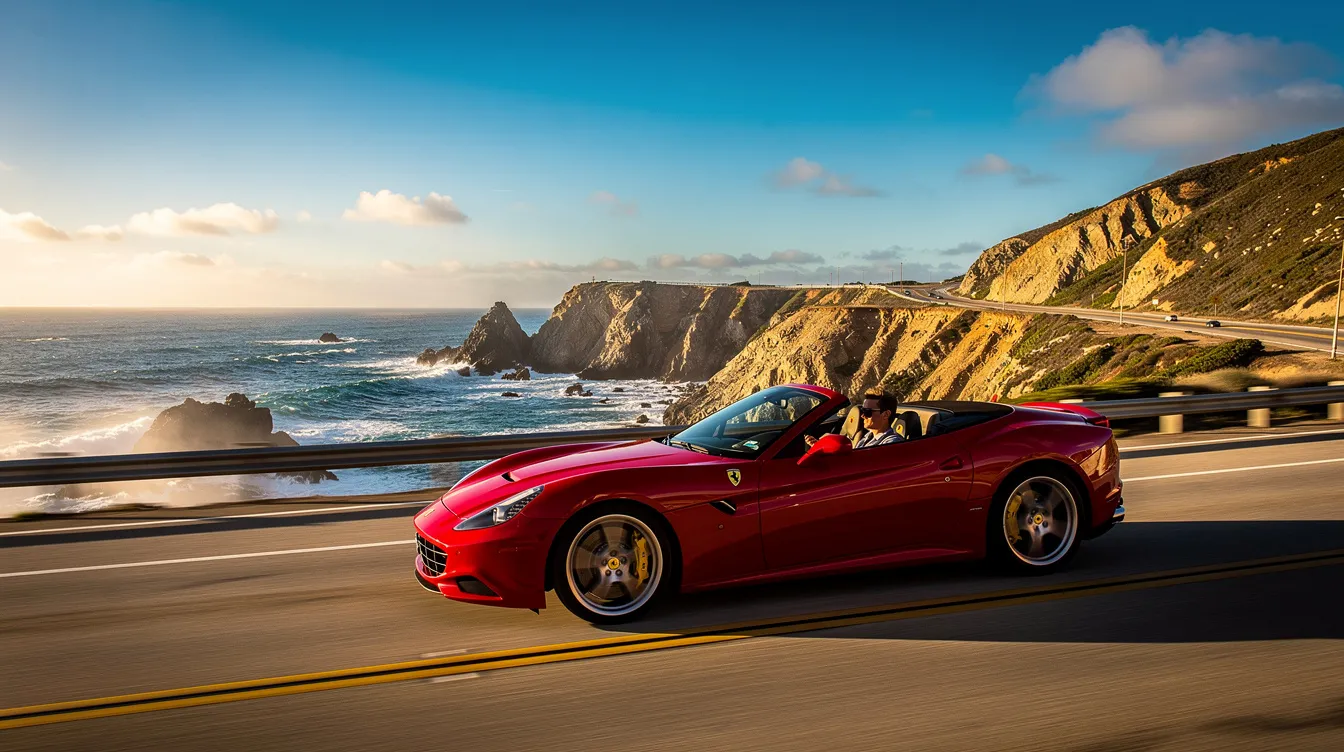
Rent a Ferrari in Los Angeles
Los Angeles offers year-round Ferrari-friendly weather, iconic routes like Pacific Coast Highway, Sunset Boulevard, and Mulholland Drive, plus luxury hotspots including Beverly Hills and Malibu. This guide covers where to drive, rental requirements, model options, booking tips, and exclusive services.
Trip Planner Road Book: Plan, Book, and Hit the Highway with Confidence
A trip planner road book is a dedicated digital tool that organizes multi-day, multi-stop driving journeys — handling routes, daily driving limits, overnight stays, attractions, fuel stops, and budgets in one place. This guide covers everything you need to know.
Tours de conduite autoguidés
Les tours de conduite autoguidés sont le moyen ultime de vivre la route ouverte, offrant aux conducteurs la liberté d'explorer à leur propre rythme. Ce guide complet couvre la planification, le budget, la préparation des bagages et les meilleurs itinéraires à travers les États-Unis, le Royaume-Uni et l'Europe pour 2026 et 2027.
Parcourez les routes que vous venez de lire
L'adhésion The Stable arrive bientôt — un abonnement pour chaque itinéraire sélectionné de notre bibliothèque, avec points de rallye détaillés, guides gastronomie & vins et hébergements. À partir de $6.97/mois.