
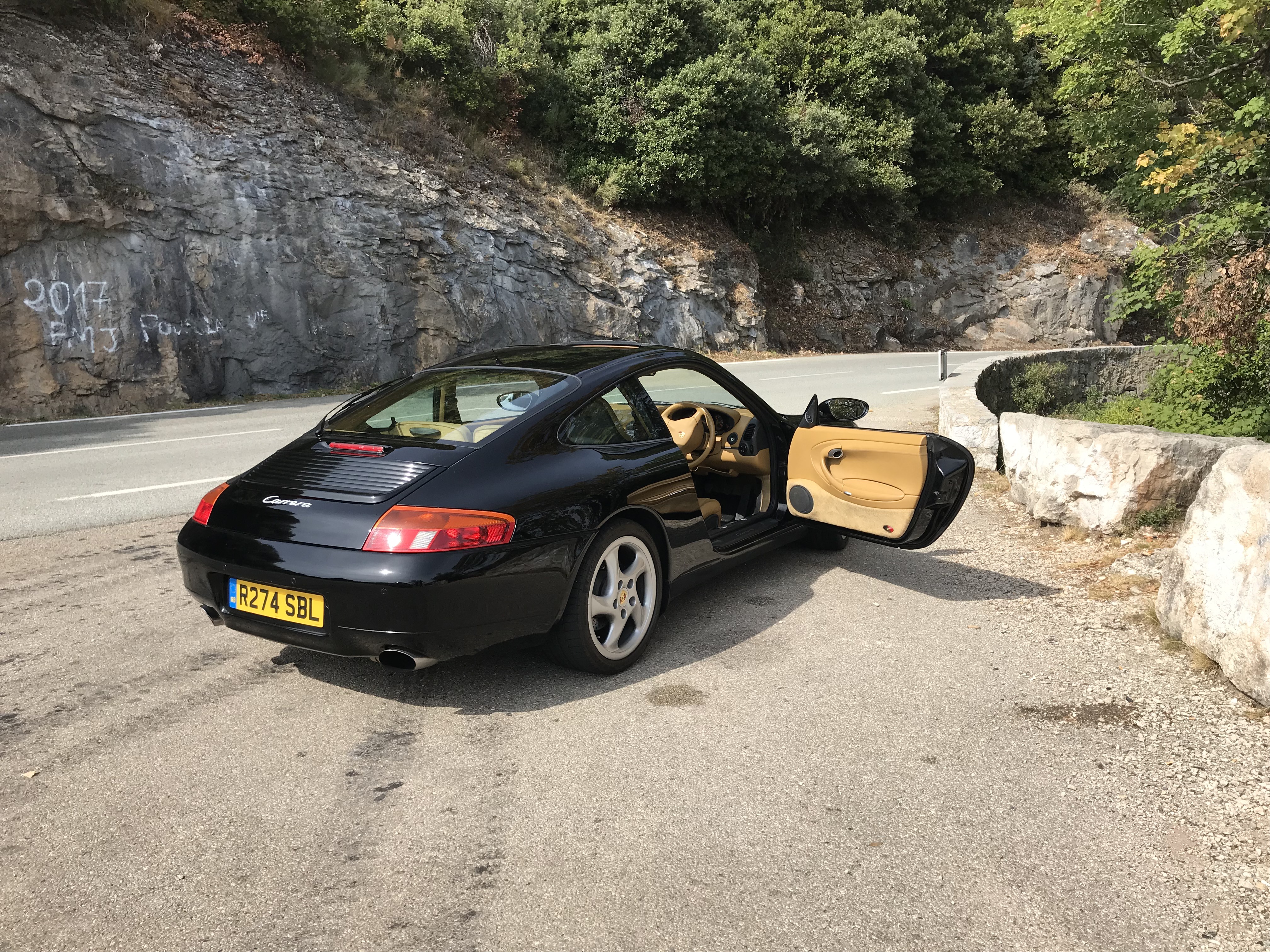
- IMS bearing failure is the primary technical risk for M96-engined cars; budget for preventative replacement.
- The 996.2 Carrera 4S offers the best blend of looks, handling, and performance for the money.
- Expect to pay $25,500-$51,000 for a well-maintained Carrera, more for Turbo/GT variants.
- Check for coolant leaks around the water pump and radiators, a common M96 issue.
- Inspect convertible tops and Targa roof mechanisms thoroughly for smooth operation and leaks.
- Prioritize cars with comprehensive service history, especially evidence of IMS/RMS work.
- Listen for any abnormal engine noises, particularly a ticking or knocking from the rear.
Porsche 911 996 Buying Guide: Everything You Need to Know Before You Buy
The 996 is the most misunderstood car in the 911 lineage. Maligned for its "fried egg" headlights, criticised for sharing components with the entry-level Boxster, and haunted by the spectre of the IMS bearing, it spent years as the cheapest route into 911 ownership — a reputation that attracted buyers who weren't always prepared for what they were taking on. The result was a generation of neglected, poorly maintained cars that reinforced the narrative.
That narrative is changing. The 996 is now recognised for what it always was: the most significant 911 in the model's history, the car that saved Porsche from financial collapse, and a genuinely excellent driver's machine that rewards the informed buyer handsomely. Prices have been rising steadily, and the window for buying a sorted example at a sensible price is narrowing.
This guide covers everything you need to know to buy one well.
Model History and Significance
The 996 arrived in 1997 as the fifth generation of the 911 and the first complete redesign since the original 901 in 1964. More significantly, it was the first 911 to use a water-cooled engine — a decision driven by increasingly stringent emissions legislation and the thermal demands of a four-valve-per-cylinder engine architecture that Porsche needed to remain competitive.
The car was developed on a shared platform with the 986 Boxster, a cost-sharing measure that allowed Porsche to fund the enormous investment required for an all-new model at a time when the company was in genuine financial difficulty. The shared components — primarily the front suspension geometry, dashboard architecture, and certain body pressings — drew criticism from purists, but the engineering logic was sound. The 996 was 185 mm longer and 40 mm wider than the 993 it replaced, with a body structure 45 per cent stiffer, and it was 50 kg lighter despite the additional complexity of the water-cooling system.
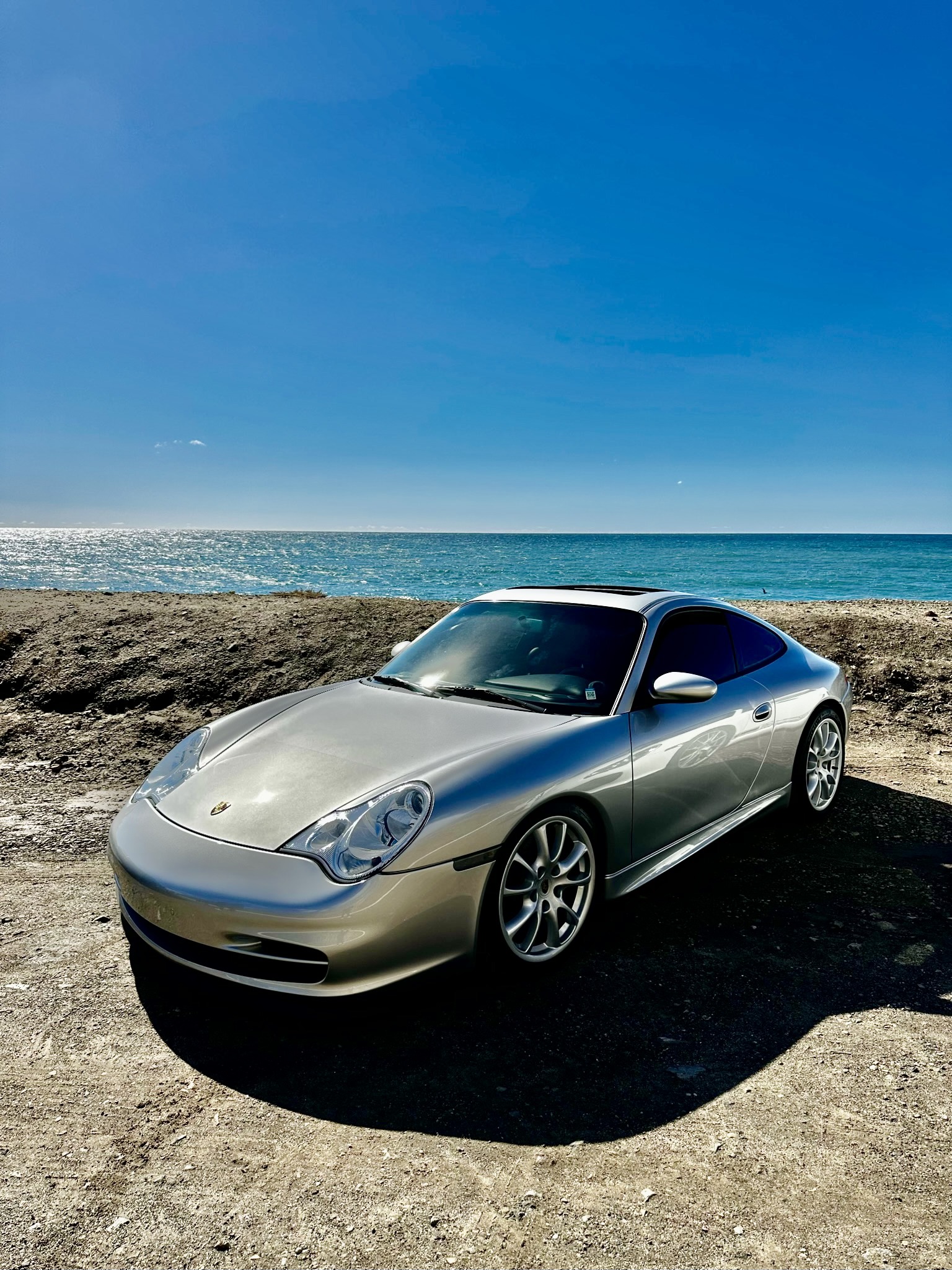
The generation divides into two distinct phases. The 996.1 (1997–2001) used a 3.4-litre M96 engine and the original "fried egg" headlights — oval units with integrated indicators that shared their lens with the Boxster. The 996.2 (2002–2005) received a facelift that addressed the headlights with units more closely resembling the Turbo's design, a displacement increase to 3.6 litres, and various refinements to the interior and chassis. A total of 175,262 units were produced across all variants.
Engine Variants and Specifications
The 996 engine story divides cleanly into two families: the M96 unit fitted to Carrera models, and the Mezger engine used in the Turbo, GT2, and GT3.
The M96 Engine (Carrera, Carrera 4, Carrera 4S, Targa, Cabriolet)
The M96 is a 3.4-litre (996.1) or 3.6-litre (996.2) naturally aspirated flat-six with four valves per cylinder, variable valve timing on the intake camshafts, and an integrated dry-sump lubrication system. The 3.4-litre unit produced 300 PS (296 hp) at 6,800 rpm with 350 Nm of torque. The 3.6-litre version of 2002 onwards produced 320 PS (315 hp) at 6,800 rpm with 370 Nm.
The M96 is the engine at the centre of the 996's reliability concerns. It is a fundamentally capable unit that has been let down by specific design compromises — most notably the intermediate shaft bearing arrangement — and by owners who did not service it with the frequency it requires.
The Mezger Engine (Turbo, GT2, GT3)
The Turbo, GT2, and GT3 use an entirely different engine derived from the 911 GT1 race car, developed by Hans Mezger. This unit features a proper dry-sump lubrication system, a more robust intermediate shaft bearing arrangement, and a fundamentally different architecture. The Mezger engine is not subject to the IMS bearing failures that affect the M96, and its reliability record is substantially better.
| Variant | Engine | Displacement | Power | Torque |
|---|---|---|---|---|
| Carrera 996.1 | M96 | 3.4L | 300 PS / 296 hp | 350 Nm |
| Carrera 996.2 | M96 | 3.6L | 320 PS / 315 hp | 370 Nm |
| Turbo (standard) | Mezger | 3.6L twin-turbo | 420 PS / 414 hp | 563 Nm |
| Turbo X50 | Mezger | 3.6L twin-turbo | 450 PS / 444 hp | 620 Nm |
| GT3 Mk.I | Mezger | 3.6L | 360 PS / 355 hp | 370 Nm |
| GT3 Mk.II | Mezger | 3.6L | 381 PS / 375 hp | 385 Nm |
| GT2 | Mezger | 3.6L twin-turbo | 484 PS / 477 hp | 640 Nm |
Transmission Options
The standard transmission was a 6-speed manual (Getrag G96/00), which remains the preferred choice for driving engagement and long-term reliability. A 5-speed Tiptronic S automatic was available as an option on Carrera models; it is a competent unit but feels dated by modern standards and is less sought after by enthusiasts.
Model Variants
Carrera — The base rear-wheel-drive coupé. Available in 3.4L (996.1) and 3.6L (996.2) forms. The purist's choice, lighter and more communicative than the all-wheel-drive variants.
Carrera 4 — Adds Porsche's all-wheel-drive system to the standard Carrera platform. Available in coupé and cabriolet. Slightly heavier than the Carrera but offers additional traction in poor conditions.
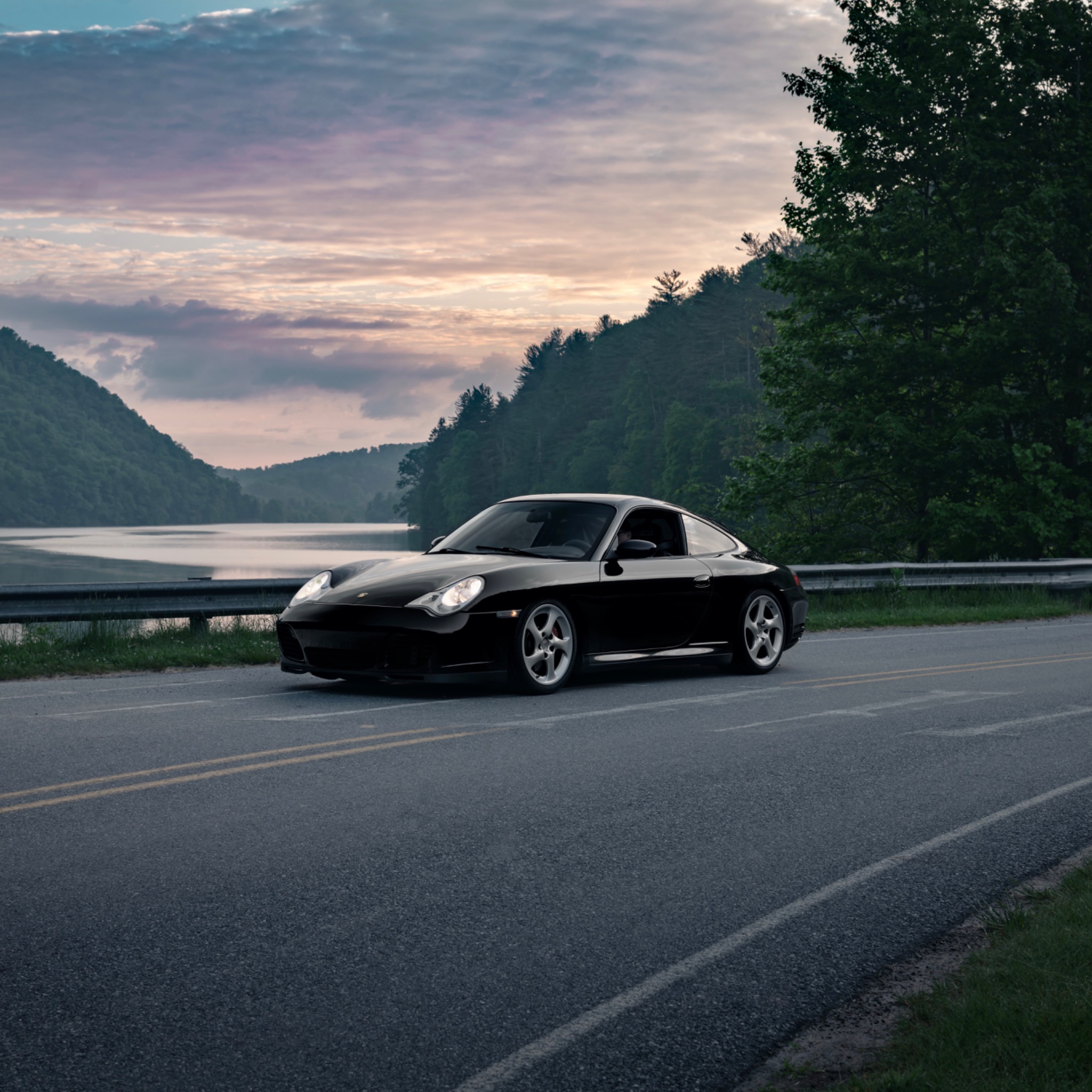
Carrera 4S — Introduced with the 996.2 facelift in 2002, the C4S combines the wider bodyshell, larger brakes, and suspension of the Turbo with the naturally aspirated 3.6-litre M96 engine. The result is the best-looking standard 996, with a more aggressive stance and genuinely improved handling balance. Highly recommended.
Targa — Reintroduced in 2002 with a sliding glass roof panel and rear glass hatch. A practical and distinctive open-air option, though the glass roof adds weight and the mechanism requires periodic maintenance.
Cabriolet — Available across the Carrera and Carrera 4 lines. The soft-top hood is well-engineered and durable, but adds weight and slightly reduces structural rigidity compared to the coupé.
Turbo — Debuted in 2000 with the Mezger engine, all-wheel drive, and wider bodywork. The X50 power kit, available from 2002, increased output to 450 PS. The Turbo S of 2005 came standard with the X50 kit and Porsche Ceramic Composite Brakes (PCCB). The Turbo is the most desirable standard 996 for many buyers, combining the Mezger engine's reliability with serious performance.
GT3 — Track-focused, naturally aspirated, rear-wheel drive. The Mk.I (1999–2001) produced 360 PS; the Mk.II (2003–2005) produced 381 PS. Both use the Mezger engine. The Mk.II GT3 RS, with its wider bodywork and further weight reduction, is among the most collectible 996s.
GT2 — The most extreme 996. Twin-turbocharged Mezger engine, rear-wheel drive only, 484 PS, and a character that demands respect. Rare and increasingly valuable.
Millennium Edition (2000) — 911 units of a Carrera 4 coupé in Violet Chromaflair paint with a unique interior. A collector's piece.
40th Anniversary Edition (2004) — 1,963 units with the Turbo front end, GT Silver paint, X51 power kit (345 PS), limited-slip differential, and sport suspension. One of the most complete 996s built.
Known Mechanical Issues
Understanding the 996's failure points is not optional — it is the price of admission. The good news is that these issues are well-documented, largely preventable, and in many cases already addressed on well-maintained cars.
IMS Bearing Failure (M96 Engine Only)
The intermediate shaft (IMS) bearing is the most discussed issue in 996 ownership. The IMS supports a shaft that drives the camshafts via a chain, and the bearing in question is a sealed, grease-packed unit that cannot be externally lubricated. When it fails — typically without warning — the result is catastrophic engine destruction.
The critical distinction is between bearing types. Early M96 engines (approximately 1997–1999, up to engine number 661 14164) used a dual-row IMS bearing, which has a substantially lower failure rate and is generally considered acceptable. From engine number 661 14165 onwards, Porsche switched to a single-row bearing to reduce manufacturing costs. This single-row unit is the problematic one, with failure rates estimated at between 1% and 8% depending on the source and methodology — a significant risk given the consequences.
The solution is an aftermarket IMS bearing retrofit. LN Engineering's IMS Solution is the most widely used, replacing the factory bearing with a properly lubricated unit that draws oil from the engine's supply. Any M96-engined 996 you consider buying should either have this retrofit already completed (with documentation) or be priced to reflect the cost of doing it. Budget approximately $1,000–$2,000 for the retrofit, which is typically done in conjunction with a rear main seal replacement and clutch service to share the labour cost of dropping the engine.
The Mezger engines in the Turbo, GT2, and GT3 also have an intermediate shaft, but the bearing design is fundamentally different and failures are exceedingly rare — estimated at less than 0.001% by LN Engineering.
Bore Scoring (M96 Engine)
Bore scoring refers to vertical scratches on the cylinder walls caused by piston contact, typically in cylinders 4, 5, and 6 (the rear bank). It manifests as increased oil consumption, sooty exhaust tips, and eventually blue smoke under acceleration. In advanced cases, it results in engine failure.
The causes are not fully understood, but contributing factors include cold-weather short-trip driving (which prevents the engine from reaching operating temperature), infrequent oil changes, and the specific piston-to-cylinder tolerances of the M96. A borescope inspection of the cylinders is non-negotiable before purchasing any M96-engined 996. Minor scoring may be acceptable; significant scoring indicates an engine that will require rebuilding.
Rear Main Seal (RMS) Leak
The rear main seal sits between the engine and transmission and is a known weep point on M96 engines. An active leak will leave oil drips beneath the car and may contaminate the clutch. Replacement requires engine removal and is typically combined with the IMS retrofit and clutch service. Porsche updated the seal design to a PTFE unit that is more durable; ensure any replacement uses the updated part.
Coolant System (Turbo Models)
The Mezger-engined Turbo, GT2, and GT3 have a specific coolant pipe issue that is separate from the M96's concerns. The coolant pipes on these models are bonded to the engine block with adhesive rather than mechanically fastened. Over time — and particularly with heat cycling — this adhesive can fail, causing a pipe to detach and dump the entire coolant system suddenly. The result is immediate overheating and potential engine destruction.
The fix is to pin or weld the coolant pipe fittings to prevent them from pulling free. This is a well-understood and relatively inexpensive preventative measure (approximately $400–$800) that should be confirmed as completed on any Turbo, GT2, or GT3 you consider. If it has not been done, factor it into your offer.
Cylinder Cracking and Slipped Sleeves
Some early M96 engines used cylinder sleeves to correct manufacturing tolerances. These sleeves can detach from the cylinder bore, causing catastrophic damage. This is less common than bore scoring or IMS failure but is another reason why a borescope inspection is essential.
Electrical Issues
Common electrical gremlins include faulty ignition switches (causing intermittent power loss or starting difficulties), window regulator failures, and various dashboard warning lights. These are generally nuisances rather than catastrophic failures, but they add to the cost of ownership and should be noted during inspection.
Suspension Wear
The 996's suspension is conventional and well-engineered, but components wear with age and use. Control arm bushings, ball joints, tie rod ends, and shock absorbers are all items to inspect. Worn bushings manifest as imprecise steering and knocking over bumps. Budget for a full suspension refresh on any high-mileage car.
Pre-Purchase Inspection Checklist
A professional pre-purchase inspection (PPI) by an independent Porsche specialist is not optional — it is the most important $250–$500 you will spend in the purchase process. The following checklist supplements rather than replaces a specialist PPI.
Engine and Drivetrain
The borescope inspection of all six cylinders is the single most important check. Look specifically for vertical scoring marks on the cylinder walls, particularly in cylinders 4, 5, and 6. Ask the inspector to cut open the oil filter and examine the element for metallic debris — this is a primary indicator of IMS bearing wear. Confirm the IMS bearing retrofit has been completed and request documentation. Check for oil weeping from the rear main seal area. On Turbo, GT2, and GT3 models, confirm the coolant pipe fix has been performed.
Listen to the engine at idle and under load for ticking, rattling, or knocking. A healthy M96 has a characteristic mechanical sound but should not produce irregular noises. Check the coolant expansion tank for cracks or discoloration and inspect the coolant for any milky appearance that would indicate oil contamination.
Service History
A complete, documented service history is essential. The M96 engine is sensitive to oil quality and change frequency; look for evidence of annual oil changes using the correct specification oil (Porsche recommends 5W-40 or 0W-40 fully synthetic). Gaps in the service record are a significant red flag. Confirm the date and mileage of the last major service, including spark plug replacement.
Transmission
For manual cars, test all six gears for smooth engagement. Second gear is the most common weak point; notchiness or resistance indicates worn synchronisers. Listen for any whining from the gearbox. For Tiptronic cars, check for smooth, unhesitant shifts and no slipping between gears.
Bodywork and Chassis
Inspect panel gaps for consistency, which can indicate accident repair. Use a paint depth gauge to check for filler or respray work. Check the front wheel arches for rust, particularly where the arch liner meets the body. Inspect the windscreen seal for deterioration, which can allow water ingress. On cabriolets, operate the roof through several full cycles and inspect the hood fabric for tears, mould, or leaks.
Interior
Check the condition of the leather, which should show wear consistent with the claimed mileage. Inspect the dashboard for cracks or warping. Test all electrical functions including windows, mirrors, climate control, and the PCM (Porsche Communication Management) system. The PCM screen on early cars can develop dead pixels.
Diagnostic Scan
A Porsche-specific diagnostic scan (PIWIS or equivalent) will reveal stored fault codes and, critically, any over-rev events recorded by the ECU. An over-rev history on a manual car is a serious red flag indicating abusive driving.
Running Costs
The 996 is not an expensive car to run by the standards of its performance, but it requires a specific approach to maintenance. Cutting corners on servicing is the primary reason so many 996s develop expensive problems.
Servicing
Oil changes should be performed annually or every 10,000 miles, whichever comes first — not at the factory-recommended 20,000-mile interval, which is too long for an engine of this design. Use a quality fully synthetic 5W-40 or 0W-40. An annual oil and filter change at an independent specialist costs approximately $250–$450.
A full service including spark plugs, air filter, pollen filter, and brake fluid change runs approximately $800–$1,300. Budget for a major service every 40,000 miles that includes all of the above plus a thorough inspection of belts, hoses, and cooling system components.
Common Maintenance Items
| Item | Approximate Cost |
|---|---|
| Annual oil service | $250–$450 |
| Full service (spark plugs, filters, brake fluid) | $800–$1,300 |
| IMS bearing retrofit (if not done) | $1,000–$2,000 |
| Rear main seal replacement | $500–$900 |
| Clutch replacement | $1,300–$2,400 |
| Coolant pipe fix (Turbo/GT3/GT2) | $400–$800 |
| Suspension refresh (bushings, ball joints) | $1,000–$2,000 |
| Tyre set (four) | $900–$1,600 |
| Brake pads and discs (front and rear) | $800–$1,600 |
Fuel Economy
The naturally aspirated Carrera models return approximately 22–26 mpg (US) in mixed driving. The Turbo is less economical, typically 18–22 mpg under normal use and considerably less when driven hard. Both require premium unleaded fuel.
Insurance
Insurance costs vary significantly by driver profile, location, and variant. A Carrera in the UK will typically fall into insurance group 40–43; a Turbo will be higher. Agreed-value specialist insurance through providers such as Hagerty or Footman James is worth considering for well-maintained examples.
Which Variants to Buy and Avoid
The Best Buys
Carrera 4S (996.2, 2002–2005) — The most complete standard 996. The Turbo-look body, wider track, and uprated brakes make it the best-handling naturally aspirated 996, and it is arguably the best-looking. Ensure the IMS retrofit has been done and a borescope inspection is clean.
Turbo (any year, 2000–2005) — The Mezger engine makes the Turbo the most reliable 996 from a powertrain perspective. The coolant pipe fix must be confirmed. The X50-equipped cars (2002 onwards) offer 450 PS and are the most desirable. The 2005 Turbo S is the pinnacle of the standard Turbo line.
GT3 Mk.II (2003–2005) — For those who want the most engaging driving experience, the Mk.II GT3 with its 381 PS Mezger engine and track-focused chassis is exceptional. Values have risen sharply and will continue to do so.
Manual Carrera 996.2 (2002–2005) — A well-sorted, manual 3.6-litre Carrera with documented IMS retrofit and clean borescope is the most accessible entry point into 996 ownership and represents excellent value.
Approach with Caution
Early 996.1 models (1997–1999) with single-row IMS — The early 3.4-litre cars can be charming, but verify the IMS bearing type and condition carefully. The dual-row bearing cars (pre-engine number 661 14165) are lower risk.
High-mileage cars without service history — The M96 engine is not forgiving of neglect. A car with gaps in its service record or evidence of extended oil change intervals is a potential liability regardless of price.
Cars without IMS retrofit documentation — Do not buy an M96-engined 996 without either confirmed IMS retrofit documentation or a very significant price reduction to account for the risk and the cost of the work.
Tiptronic models — Not a reliability concern per se, but significantly less desirable to enthusiasts and harder to sell. Manual cars command a premium for good reason.
Price Guide (2024–2025 Market)
The 996 market has appreciated meaningfully over the past five years, driven by recognition of the car's driving qualities and the narrowing supply of well-maintained examples.
| Variant | Price Range |
|---|---|
| Carrera 996.1 (3.4L, manual) | $15,000–$30,000 |
| Carrera 996.2 (3.6L, manual) | $25,000–$40,000 |
| Carrera 4S | $38,000–$60,000 |
| Turbo (standard) | $60,000–$90,000 |
| Turbo S | $85,000–$125,000 |
| GT3 Mk.I | $85,000–$120,000 |
| GT3 Mk.II | $110,000–$170,000 |
| GT3 RS | $230,000–$360,000 |
| GT2 | $130,000–$230,000 |
Prices for M96-engined cars are strongly influenced by whether the IMS retrofit has been completed. A car with documented IMS work, a clean borescope, and full service history will command a premium of $3,800–$10,000 over an equivalent car without these assurances — and rightly so.
Ownership Experience
The 996 is a car that rewards engagement. It is not a passive machine; it asks something of its driver and gives back in proportion to the effort invested. The flat-six engine note — particularly on the naturally aspirated cars — is one of the great automotive soundtracks, and the chassis communicates with a directness that more modern 911s have largely engineered away.
As a daily driver, the 996 is more capable than its reputation suggests. The interior is well-appointed by the standards of its era, the ride quality is firm but not punishing, and the practicality — two small rear seats, a front boot, and a rear shelf — makes it genuinely usable. Many owners run their 996s year-round without incident, provided maintenance is kept current.
The community around the 996 is active and knowledgeable. Rennlist's 996 forum and 911UK are the primary online resources, with decades of accumulated technical knowledge. Finding a trusted independent Porsche specialist — rather than relying on main dealer pricing — is the single most important step in managing running costs. Specialists such as RPM Specialist Cars, Paragon Porsche, and Stuttgart Autohaus in the UK, and numerous independent shops in the US, offer the expertise and Porsche-specific tooling that these cars require.
Parts availability is good. Porsche Classic supports the 996, and the aftermarket is extensive. The IMS retrofit, coolant pipe fix, and various upgraded components are readily available.
Verdict
The 996 is the right car for the buyer who has done their homework, budgets honestly, and is not deterred by a car with a reputation that requires context. Buy one with documented IMS retrofit, a clean borescope, and a full service history, and you have one of the most rewarding driver's cars available at its price point — a genuine 911 with a chassis that communicates, an engine that sings, and a character that modern sports cars struggle to match.
The Turbo and GT3 variants are the most reliable and the most collectible, and their prices reflect this. For those on a tighter budget, a well-sorted 996.2 Carrera 4S or manual Carrera represents exceptional value — but only if the homework has been done.
Total first-year budget recommendation:
| Variant | Purchase | First Year Running | Total |
|---|---|---|---|
| Carrera 996.2 (manual, sorted) | $25,500–$35,500 | $3,800–$6,400 | $29,000–$42,000 |
| Carrera 4S | $38,000–$57,000 | $4,400–$7,000 | $42,500–$64,000 |
| Turbo | $63,500–$89,000 | $5,100–$8,900 | $68,500–$98,000 |
The first-year running budget should include a PPI (if not already done), an oil service, and a contingency for any items identified at inspection. On a car that has been properly maintained, ongoing annual costs should be manageable.
Do not buy the cheapest 996 you can find. Buy the best-documented, best-maintained 996 you can afford. The difference in long-term cost and enjoyment is significant.
Plus de Guides d'Achat
Recherches approfondies sur les voitures qui comptent
mars 2026
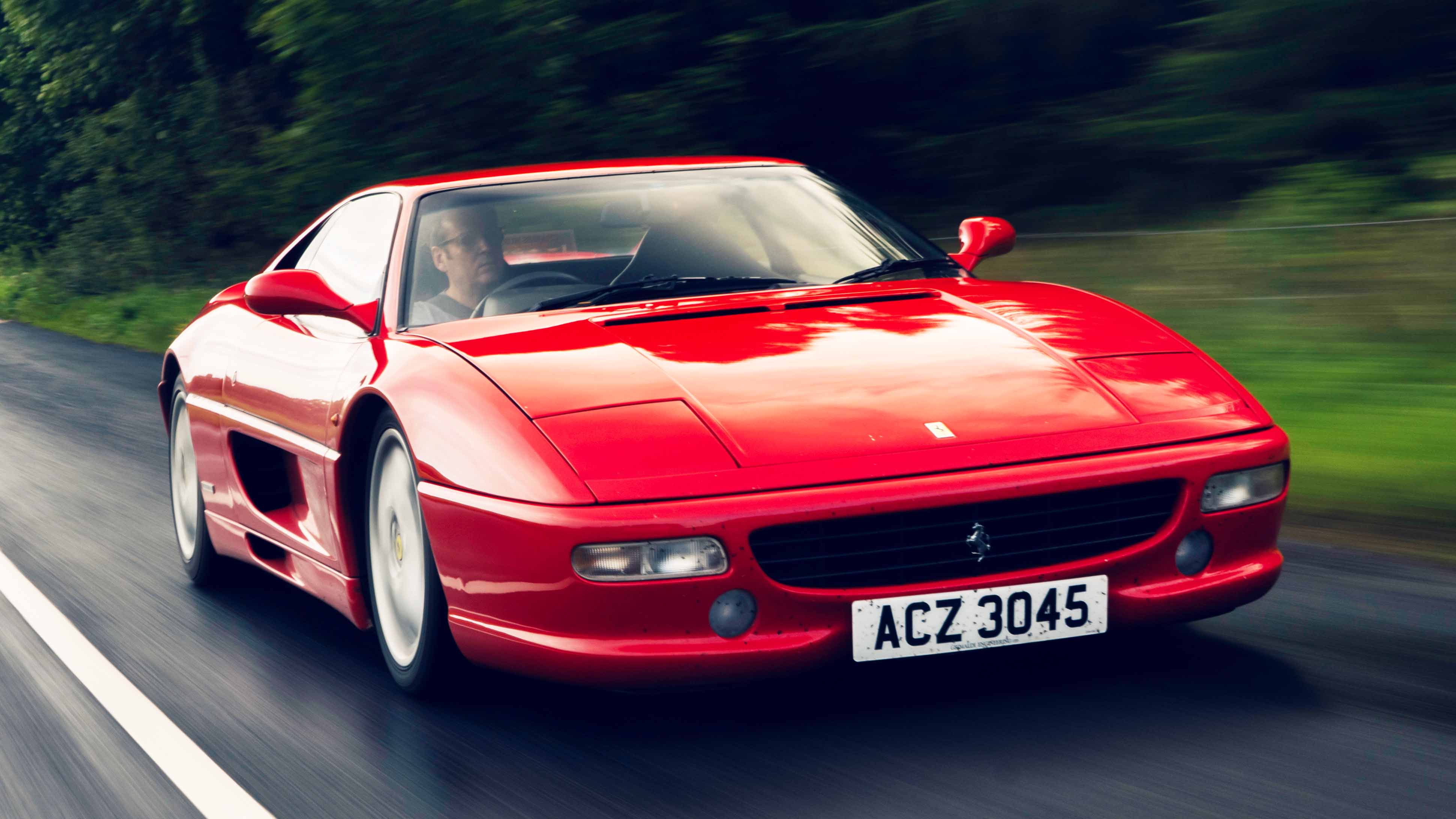
Guide d'achat - Ferrari F355, la dernière Ferrari pure
La F355 est la dernière Ferrari pure — un chef-d'œuvre V8 de 375 ch à 8 250 tr/min qui a défini la supercar à moteur central. Voici tout ce que vous devez savoir avant d'en acquérir une.
mars 2026
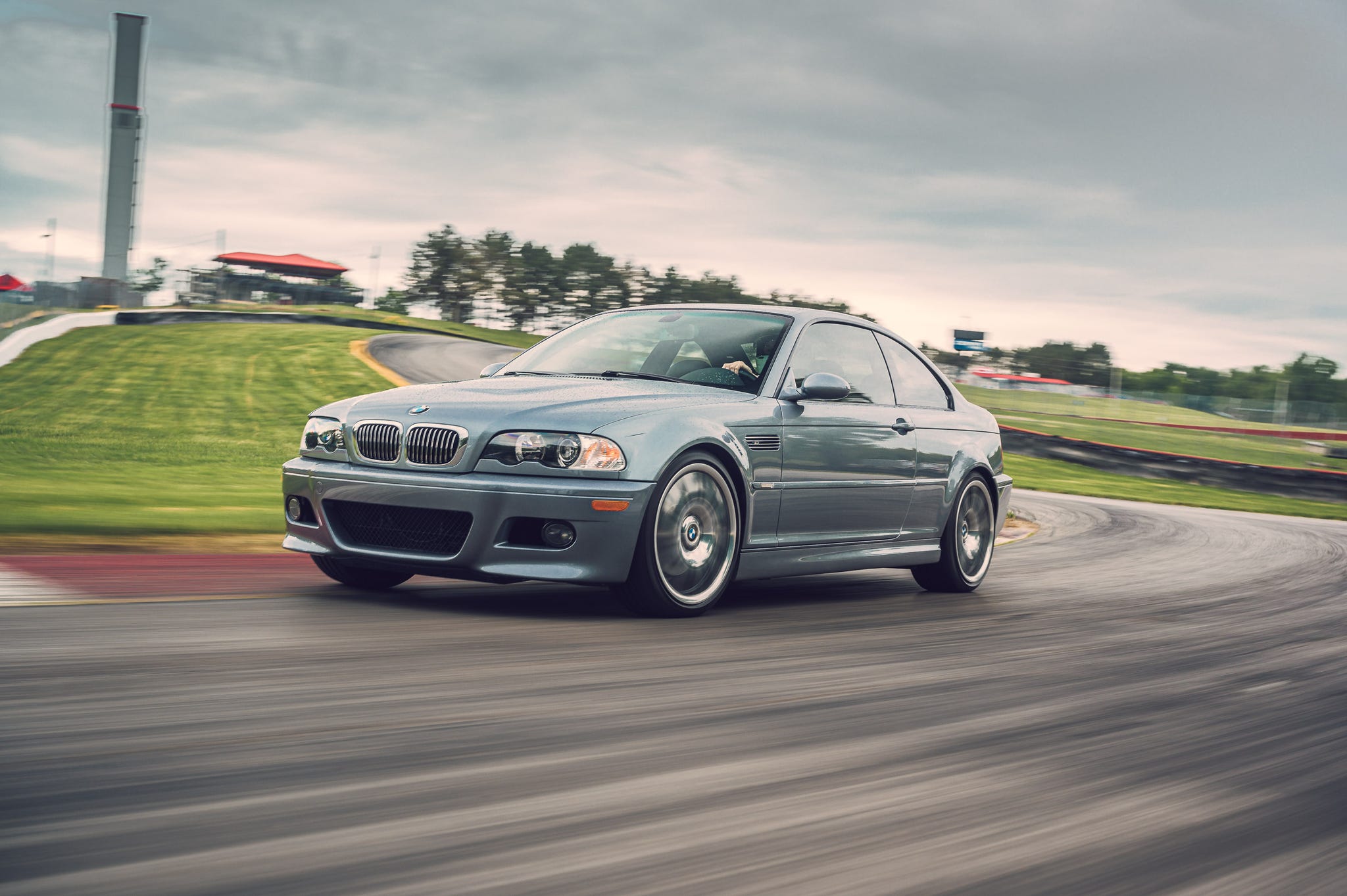
Guide d'Achat - BMW M3 E46, Tout ce que Vous Devez Savoir Avant d'Acheter
La E46 M3 est la dernière M3 véritablement analogique — moteur S54 à haut régime, boîte de vitesses manuelle précise et un châssis réglé pour les sensations. Voici tout ce que vous devez savoir pour en acheter une en toute connaissance de cause : fissures du sous-châssis, coussinets de bielle, VANOS, SMG vs manuelle, variantes et prix actuels du marché.
mars 2026
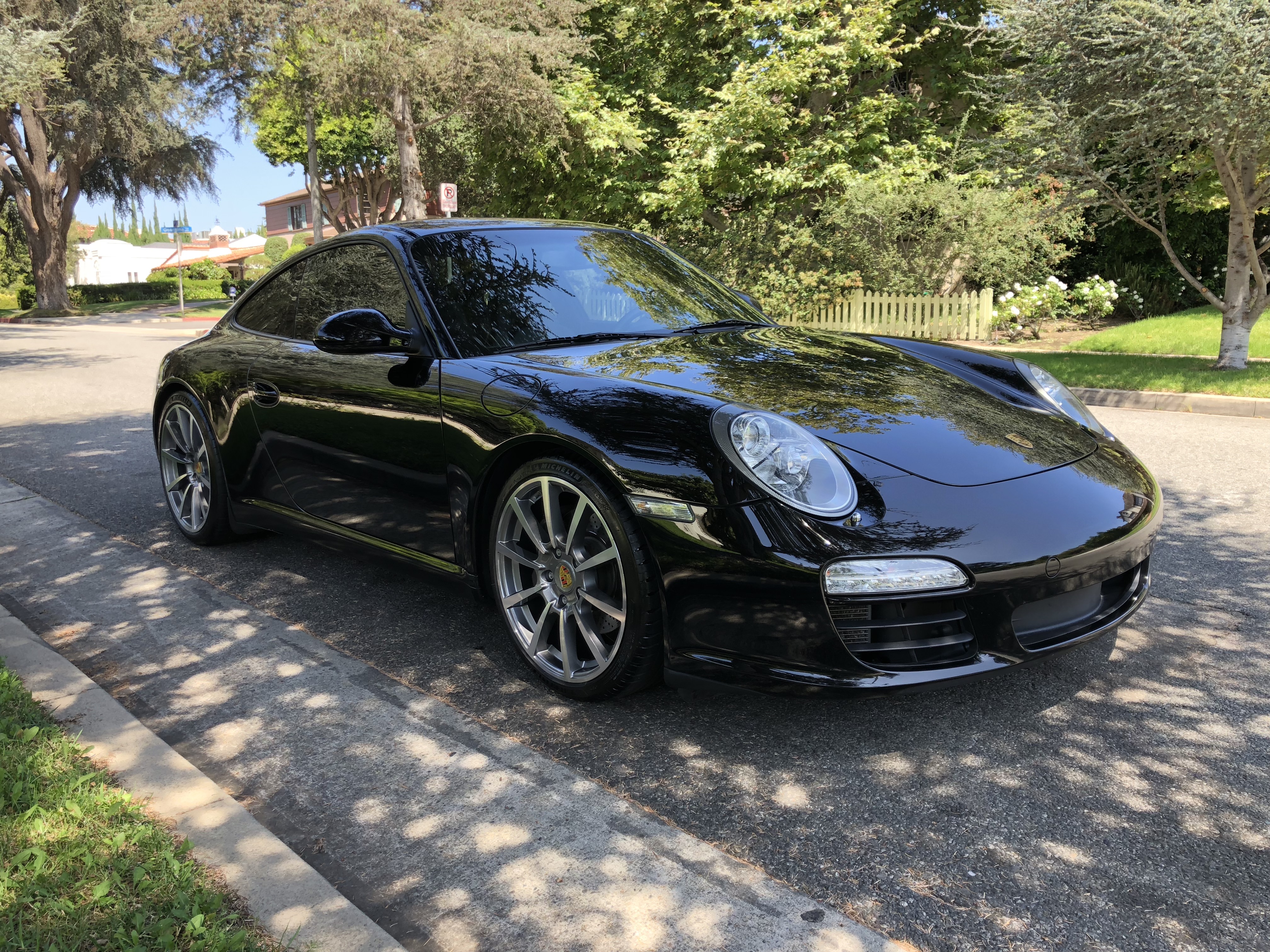
Guide d'Achat - Porsche 911 997, Tout ce que Vous Devez Savoir Avant d'Acheter
La 997 est la génération de 911 moderne la plus célébrée. Ce guide complet couvre la distinction 997.1 vs 997.2, le risque de roulement IMS, le bore scoring, le problème de la pompe HPFP, PDK vs manuelle, quelles variantes acheter, et les prix actuels du marché.
Parcourez les routes que vous venez de lire
L'adhésion The Stable arrive bientôt — un abonnement pour chaque itinéraire sélectionné de notre bibliothèque, avec points de rallye détaillés, guides gastronomie & vins et hébergements. À partir de $6.97/mois.