
As it often happens, owning and driving a classic car can come with a certain degree of disappointment. For drivers used to modern vehicles, classic cars are often slow, quirky, and unreliable. They have weird handling characteristics and don’t stop or steer as expected. However, it is not the car’s fault but the owner’s, and we all fall into the trap of idealizing the cars we lusted after for so long. In our imagination, every Jaguar E-Type is a blisteringly fast machine, but the reality, an ordinary family SUV will beat it in a stoplight drag race.
Thankfully, the Ferrari Testarossa is not one of those cars. Its handling characteristics, composed driving dynamics, thrilling performance, and decent equipment make it more than capable of keeping with modern traffic and still providing a lot of driving excitement at prohibited speeds. The Testarossa’s low center of gravity and smooth power delivery further enhance its reputation among performance cars of the era. Its width of nearly two meters provides superior stability at high speeds, allowing it to out run many rivals of its era. This makes most of the ‘80s cars perfect classics for everyday use. Not just because they possess adequate performance, but also because they have engines with fuel injection, disc brakes with ABS, and interiors with air conditioning. In short, well-sorted and mechanically sound ‘80s classic will give you all the thrills of driving a timeless piece of engineering but still provide you with modern amenities. Best of both worlds, really.
After its introduction in 1984 as a successor to the Ferrari Berlinetta Boxer series, the Testarossa featured a 4.9-liter flat-12 engine producing 390 horsepower and 361 lb-ft of torque, enabling it to accelerate from 0 to 60 mph in 5.2 seconds and reach a top speed of approximately 180 mph. The engine has a compression ratio of 9.30:1, is lubricated via a dry sump system, and later models included catalytic converters for emissions compliance. Its mid-engine, rear-wheel-drive layout provides balanced handling, making it a standout among high-performance GT cars.
The Testarossa’s engine is renowned for its broad power band and larger intake valves, which contribute to better acceleration, higher peak power, and maximum power delivery compared to its contemporaries. These features, along with a more broad power band, enhance drivability and sporty responsiveness across a wide RPM range.
That is why the recent spike in Ferrari Testarossa prices shouldn’t surprise anyone. In fact, Testarossas are extremely in demand, and the prices have tripled in just a few years. That being said, the good examples are getting snapped by collectors, and even though Ferrari made quite a large number of those rear-engine GTs between 1984 and 1991, with nearly 10,000 units manufactured, you should hurry up; before all the nice cars are bought and stashed away in climate-controlled garages, rarely to be seen. The Testarossa was produced from 1984 to 1991, making it one of Ferrari's most mass-produced models.
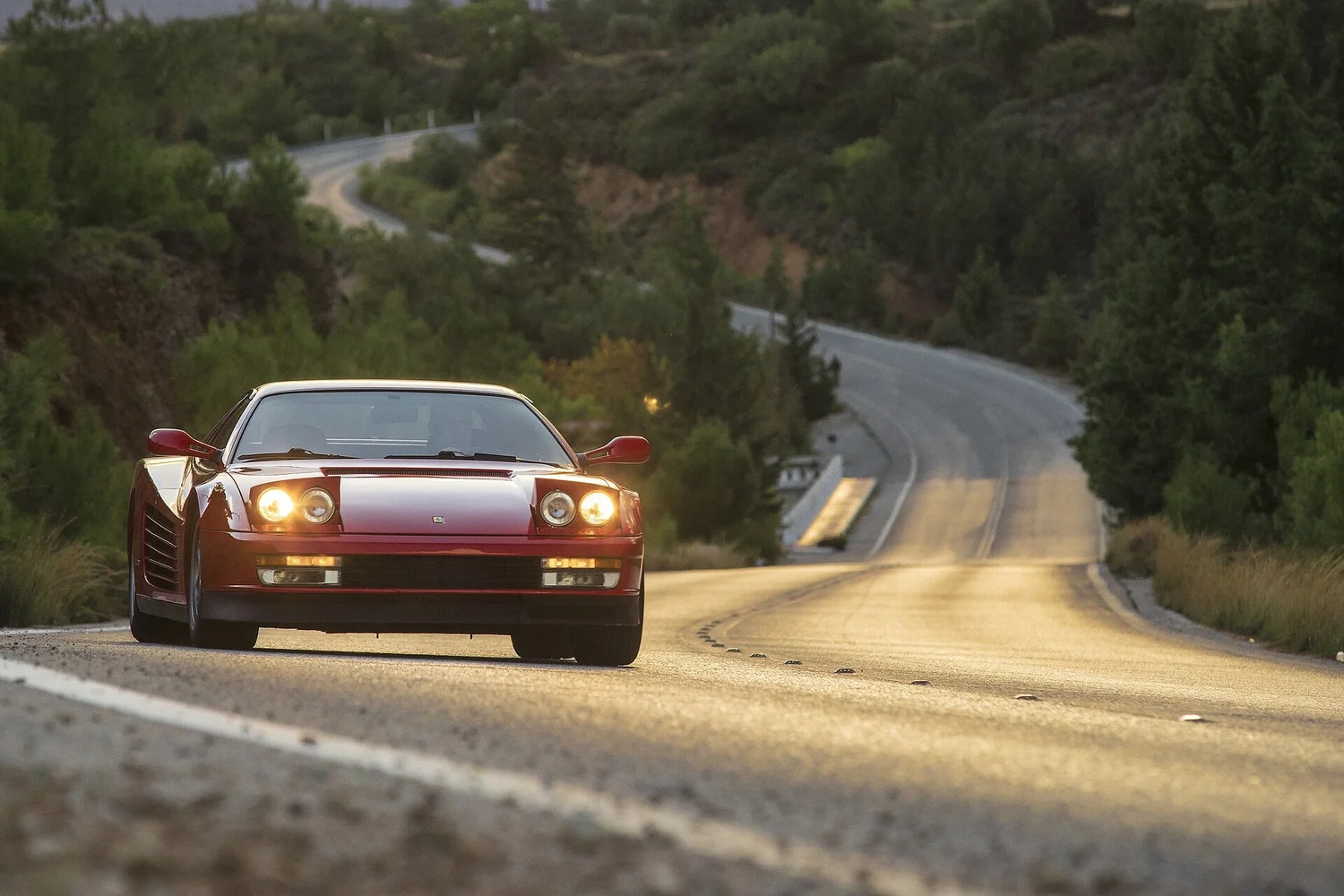
The Testarossa’s design includes an entirely new body with distinctive side strakes that serve both aesthetic and functional purposes for cooling, with prominent side intakes and side-mounted radiators improving engine cooling and allowing for a more spacious cabin. The design team at Pininfarina, led by Leonardo Fioravanti and including Diego Ottina, Guido Campoli, and Ian Cameron, was responsible for the Testarossa's iconic styling and aerodynamic features. Its design was a departure from its predecessor, the Berlinetta Boxer, and was aimed at competing with other high-performance icons like the Lamborghini Countach and Porsche 911 Turbo. The Testarossa's design was controversial at its launch, with some critics finding it too bold or unconventional. Ferrari's racing pedigree, including Le Mans victories, further established its legendary status.
The Testarossa became a cultural icon of the 1980s, prominently featured in media such as the television series Miami Vice and the arcade game Out Run, cementing its association with luxury, fashion, and the era’s most desirable performance cars. Don Johnson was famously gifted a silver Testarossa by Enzo Ferrari himself, and his role in Miami Vice helped make the car synonymous with 1980s 'yuppies' and retro culture.
The Testarossa’s production included two significant updates, leading to the 512 TR and F512 M models, which introduced performance and design refinements. The 512 TR was extensively reworked, featuring a revised suspension system for better handling and a more stable ride, and could accelerate from 0 to 60 mph in 4.9 seconds with a top speed of 195 mph. The F512 M, introduced in 1994 (later succeeded by the Ferrari F355), delivered 440 horsepower, reached 0 to 60 mph in 4.7 seconds, and had a top speed of 196 mph. It featured extensive changes for improved weight distribution and handling, including fixed headlights and a more aggressive rear diffuser, modernizing its look.
The Testarossa's mechanical underpinnings were used for special models like the Ferrari Mythos and Testa d'Oro, and the Ferrari FX was a custom supercar based on the Testarossa chassis for the Sultan of Brunei. Ferrari refused to produce the Testarossa Spider as a standard model, despite interest from many interested customers, leading to aftermarket conversions; the only officially commissioned Testarossa Spider was built for Gianni Agnelli. For the North America market, specific features and limited availability increased desirability. US market cars also included a passive restraint system with an automatic shoulder belt and manual lap belt for enhanced safety.
Fortunately, at the moment, there are plenty of good Ferrari Testarossas for sale. However, as with any classic car, especially Italian exotic from the ‘80s, you need to be extremely careful. There is a fine line between a sound investment and a financial mistake, and we will keep you from crossing it.
Introduction to the Ferrari Testarossa
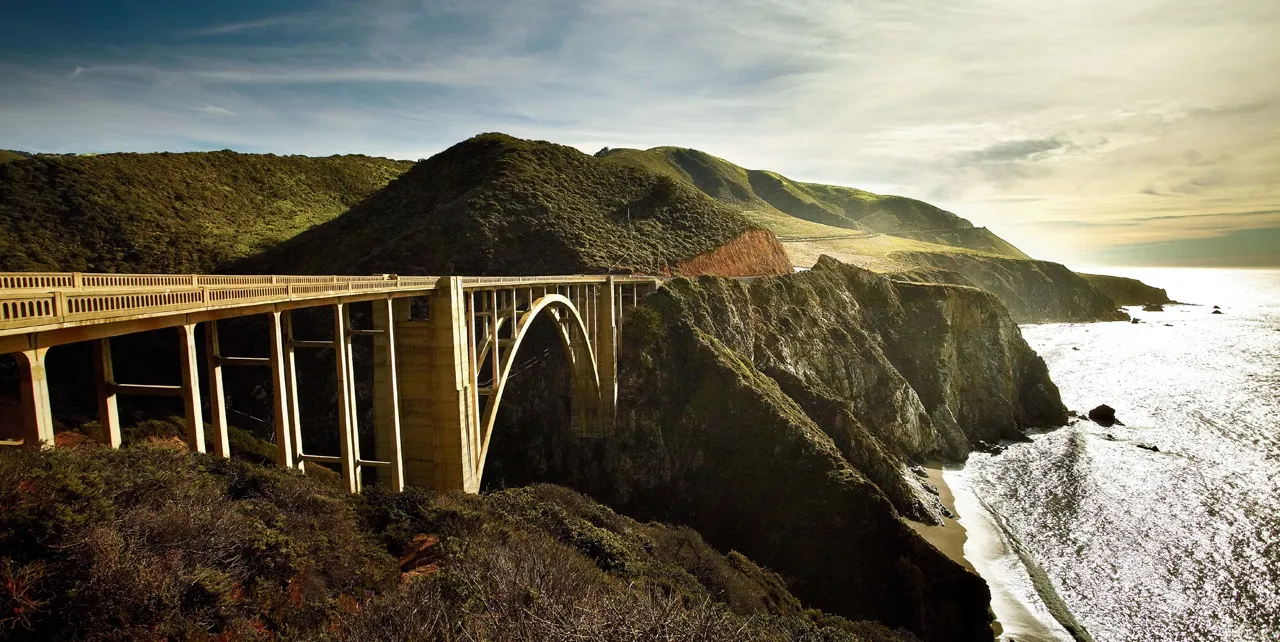
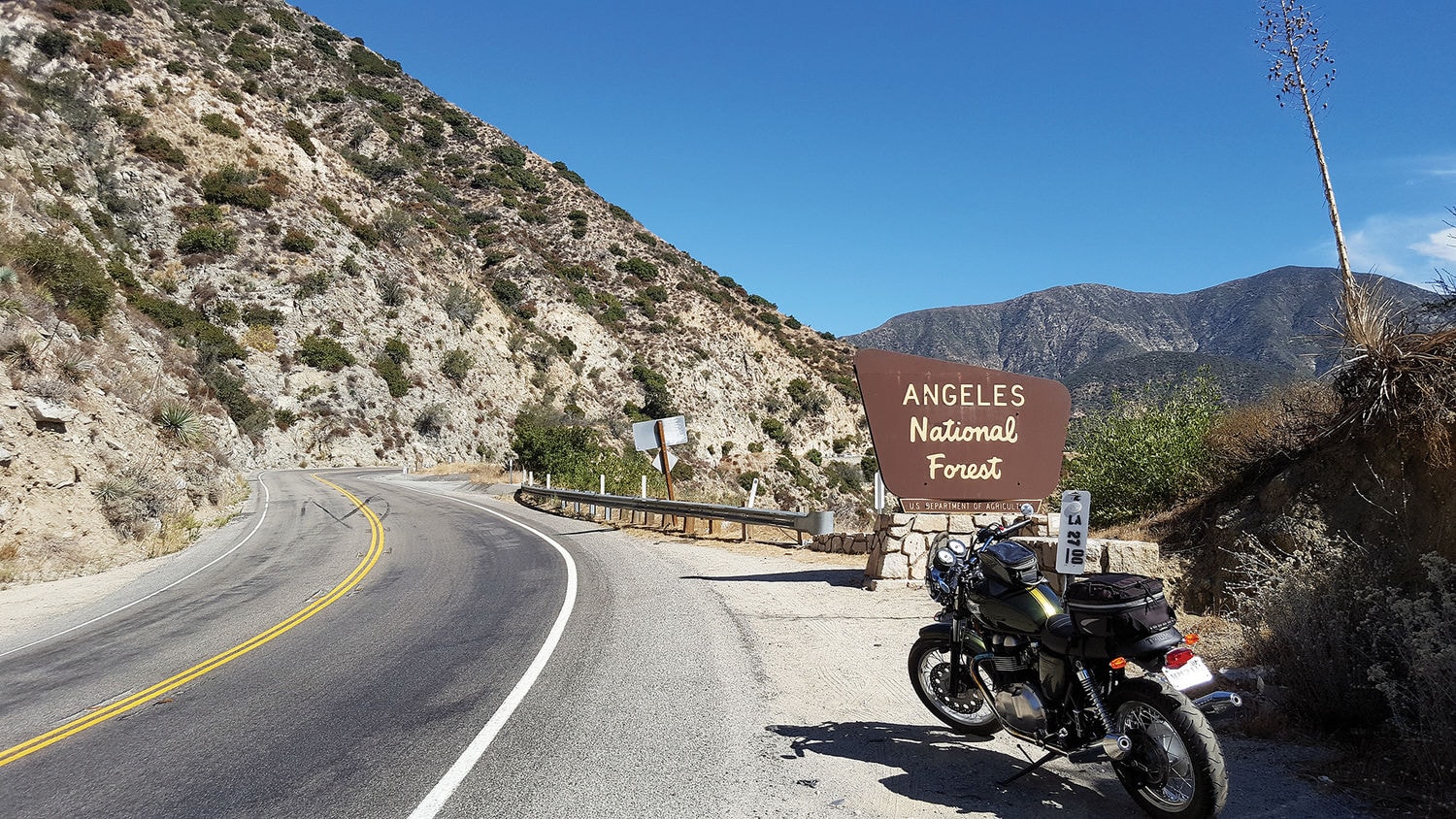
Few cars capture the soul of driving like the Ferrari Testarossa - a machine that exists at the intersection of raw performance and the kind of presence that matters as much behind the wheel as it does in your driveway. As a classic Ferrari, it bridges the gap between racing pedigree and the belief that how you experience speed matters more than speed itself. Born in 1984 to succeed the Berlinetta Boxer, the Testarossa was meticulously crafted to showcase what happens when Italian engineering meets an obsession with road feel. At its heart pulses a 4.9-liter flat-12 engine - a masterpiece that delivers 390 horsepower with the kind of rhythm and character that places it among the most memorable driving experiences of its era, capable of 180 mph but more importantly, capable of making every mile feel deliberate. For those who want to experience roads worthy of a Testarossa, our Big Sur Classic and LA Canyons & Coast drive packs are the perfect starting point.
But the Testarossa understands what makes car culture special - it's never just about the spec sheet. Its wide, low-slung stance and signature side strakes became icons because they reflect something deeper: an appreciation for the details that make a car unforgettable. The rear-mounted engine and five-speed manual transmission offer the kind of driving experience where surface quality, weight transfer, and throttle response create a conversation between driver and machine. For those who share the belief that the journey matters as much as the destination, the Testarossa isn't just automotive history - it's a rolling testament to Ferrari's understanding that true performance lives in the space between engineering excellence and the feeling of a perfect driving road.
Which one to get?
Since the Testarossa changed very little during its 7-year production run, Ferrari didn’t make any special models, desirable trim levels, or editions to look for. Notably, Ferrari did not offer a Testarossa Spider as a regular production variant due to structural challenges; any Spider versions were unofficial conversions and are extremely rare. They all came with the same 4.9-liter, twelve-cylinder engine, and 5-speed manual. The original Testarossa’s 4.9-liter flat-12 engine produced 390 horsepower and 361 lb-ft of torque. However, as with any classic car, we suggest you get the cars built later in the production cycle. The reason is simple, later examples are usually better made, better rust-protected, and with better fit and finish than the early models. This applies to all hand-assembled cars, not just Ferrari Testarossa.
The Testarossa evolved into the testarossa 512 tr in 1991, which increased the flat-12 engine’s power to 428 horsepower and 362 lb-ft of torque, and later into the F512 M in 1994, which further increased output to 440 horsepower and 368 lb-ft of torque. The F512 M was produced in very limited numbers for the north america market, making it especially rare and desirable among collectors in that region. North American versions also featured unique compliance modifications and market-specific details. Each of these models brought performance and design refinements, marking the progression of the classic Ferrari Testarossa lineage.
Design and Features
The Ferrari Testarossa exists at the intersection of pure driving passion and automotive artistry, where Pininfarina's legendary touch bridges the gap between what makes a car beautiful and what makes it unforgettable behind the wheel. Every curve and surface was shaped not just for visual drama, but to create an experience that matters as much as the destination you're chasing. Those instantly recognizable side strakes - affectionately called "cheese graters" by the community - tell a story of innovation where form and function dance together, channeling airflow to keep that magnificent flat-12 singing even when you're pushing the boundaries of what feels possible. This thoughtful approach created something special: a wider, more engaging cockpit and a chassis that feels planted, setting the Testarossa apart in a culture that values both beauty and the rhythm of the road.
Inside, the Testarossa offered an intersection of luxury and purpose that understood how the journey matters as much as the thrill. Drivers found themselves surrounded by power windows, climate control, and premium sound - features that transformed long drives into experiences where comfort and exhilaration became part of the same story. The carefully tuned exhaust note and refined air intake contributed to both the car's distinctive voice and its ability to deliver that rare combination of power and refinement, while the flat-12 engine remained the beating heart of what makes this culture special. The Testarossa's palette captured the essence of Ferrari passion: classic rosso corsa red, deep black, and that unforgettable white - immortalized through Don Johnson's character in Miami Vice, bridging the gap between automotive excellence and pop culture in a way that defined a generation's understanding of what driving passion looks like.
From its purposeful stance to its meticulously crafted interior, every detail of the Testarossa was designed to deliver an experience that goes beyond transportation - it's about belonging to something bigger. This isn't just a car that turns heads; it's what happens when innovation, luxury, and unmistakable style come together to create a legend that understands the journey matters as much as the destination, defining what it means to be part of the Ferrari community and the culture we love.
What service history to look for?
As you probably guessed, the Testarossa you want to buy is a pampered and regularly driven example with one or couple of careful owners, clean title, complete service history from day one, and zero accidents. Do not fear high-mileage Testarossas because they are often more dependable than examples with few miles on the odometer. Regular use means regular servicing and monitoring of the overall condition of the car. That being said, we would like to see future owners drive their Testarossa and enjoy them frequently; that is why you want a fully operational vehicle, not a preserved sculpture on four wheels, which was parked when Clinton first ran for president.
Yes, it is tempting to buy a low mileage car, but in reality, cars that are rarely used tend to develop several problems due to standing. Brake pistons can seize, corrosion can appear in hard-to-reach places, dry seals and hardened gaskets, rubber hoses, rotted brake and coolant lines, and failing fuel pumps are the most common things you can expect. All of this could happen even if the car were kept climate-controlled garage. So, do not be afraid of high mileage cars as long as they are correctly serviced and pristine.
The originality is the key, especially if you considering the Ferrari Testarossa as an investment. Some high-performance Ferrari models, such as the F90, were initially equipped with engines based on stock units before modifications delivered enhanced performance and unique characteristics. However, in some cases, slight modifications can increase the value and usability. For example, pre-1989 models had problems with the water pump, so if the car you are looking at has the original water pump assembly, it is a disaster waiting to happen. Most owners upgraded to the improved water pump, which is a great example of modifications delivered to improve the overall dependability of the car considerably. Also, it is not uncommon that power steering was added - another modification delivered that makes daily driving the Testarossa even more pleasurable.
Which ones to avoid?
The first rule of buying an exotic car is to stay away from damaged vehicles, cars with salvage titles, or examples with any kind of crude modifications. Testarossa was the vehicle that attracted a certain type of customers back in the day, so some cars got impounded or shoot at. Repairing or restoring Testarossa is a costly endeavor, and some spare parts, interior components aren’t available. To be honest, even if you get it for free, complete, ground-up restoration (bodywork, paint, mechanics), Testarossa might not be financially viable.
Back in the ‘80s, cunning car dealers in the US started importing less costly European examples and converting them to US-spec models. Widely known as “Grey Spec” Testarossas, these cars are less desirable due to the fact they have been, often crudely, converted by the dealer or individual ruining the original spec. US market Testarossas had specific features and compliance requirements, making them distinct from imported models, so grey market conversions often lack the authenticity and proper equipment found in true US market cars. For most discriminating buyers, “grey spec” models, often with pre-1988 production dates, are the ones to be avoided, even if they are in great shape with a full service history.
Lack of full-service history can be a deal-breaker since you cannot tell what has been done to the car and how often. Since maintaining the Testarossa is expensive, just like any classic Ferrari, and extensive work needed to perform regular maintenance, the car’s service file should be comprehensive and detailed. For example, a simple cam belt job requires removing the engine from the car and can cost over $15,000 in parts and labor.
Pay attention to the wheels, and the early Testarossas have race-style spline wheels. They do look cool but are often replaced, which can reduce the selling price. The spline wheels have been replaced by standard bolt-on rims in mid-1988, but it was more than just a simple wheel swap. Later cars have revised suspension parts, which means that earlier wheels on the later vehicles will result in strange handling characteristics. Also, note that OEM rims are expensive and rare items, and if the car has aftermarket wheels on it, no matter how good it looks, it will hurt the value.
How to test the car?
Classics like Testarossa must be driven to be fully appreciated and understood, which is why the test drive and thorough inspection are crucial. When checking the Testarossa, your biggest concerns are engine, bodywork, and electrical equipment (in that order), and the best way to see if the engine is ok is to start it yourself from cold. You can expect a bit of smoke right after starting, but it is normal. White smoke coming from the exhaust suggests a whole bunch of serious engine problems, and you should walk away from such cars. Always be suspicious of cars warmed up before you inspect them because sellers might try to hide starting problems. In addition, carefully inspect the braking system for wear, including checking brake disc condition and ensuring the system meets performance standards expected of a classic Ferrari. For U.S.-market Testarossas, be sure to check the passive restraint system and lap belt functionality, as these safety features were subject to recalls and are essential for occupant protection.
It is no secret that Testarossas have been known to be driven overly enthusiastically by its owners, which means that more than a few had their share of bodywork repairs and repaints. We would suggest staying away from such cars, especially poorly repaired ones. The best way to see if the car had some major surgery is to check the paint thickness (it should be 4.5 mils all around) with an appropriate tool and look for welds beneath the carpeting and in the trunk. Also, a good spot to look for some residue paint is below the side vents, which are notoriously hard to paint and straightened if damaged.
Italian cars have a terrible reputation when it comes to electronics. Still, it doesn’t have to be that way if you spend time and double-check all the components that particular Testarossa is equipped with. Air conditioning, electric windows, heater, mirrors, and so on, everything should work correctly. Be sure to verify the proper operation of the power windows, as they are a key luxury feature and should function smoothly to maintain comfort and value.
Also, if you are paying a top dollar for the car, be sure that you are buying the car with all the factory-provided accessories. Unique, leather-wrapped toolbox, luggage set (if ordered when the car was new), and a special spare wheel should be included with the car. Those items could be very expensive to replace, and recently, a perfectly-preserved luggage set was sold for a whopping $10,000.
When reviewing maintenance and service history, pay close attention to records of regular timing belt replacement. The condition of the timing belts is critical for engine reliability, so ensure they have been replaced at recommended intervals and inspect them during your evaluation.
Documentation and Paperwork
When considering the purchase of a Ferrari Testarossa, thoughtful attention to documentation and paperwork is where the real enthusiast separates themselves from the casual buyer. Beyond the basics of title and registration - the foundation every collector understands - a complete and verifiable service history becomes the heartbeat of any serious acquisition. These records don't just confirm proper maintenance; they tell the story of authenticity and provenance that defines what makes classic Ferrari ownership so special in our community.
This becomes even more critical when you're pursuing rare and highly sought-after variants like the Testarossa Spider - those genuinely special machines where every detail matters. With so few authentic Spiders ever crafted, verifying originality through factory build sheets, import documents, and previous ownership records isn't just due diligence; it's preserving the integrity of something truly remarkable. For those of us in the North American market, understanding the nuances of importation paperwork becomes part of our responsibility as stewards. Many Testarossas found their way to the US as grey market cars, and ensuring that all federalization and emissions compliance documents are present protects not just your investment, but the car's story itself.
Whether you're drawn to an original Testarossa or pursuing a unique variant, insisting on reviewing the complete documentation suite is how we honor these machines and what they represent. This thoughtful approach doesn't just protect your passion project - it enhances the car's soul and desirability for the collectors and enthusiasts who will follow in your footsteps.
Restoration and Preservation
Restoring a Ferrari Testarossa is more than a rewarding endeavor - it’s a deep dive into automotive artistry that demands both passion and precision. The journey requires an intimate understanding of the car’s mechanical soul and an unwavering commitment to authenticity. Working with specialists who truly know the Testarossa’s character - from the distinctive rumble of its flat-12 engine to the purposeful elegance of those signature side strakes - becomes essential to preserving not just performance and value, but the very essence that makes this machine unforgettable.
The engine out service stands as perhaps the most critical ritual in Testarossa stewardship - a meticulous procedure where the entire powerplant is lifted away to reveal components like the cam belt and water pump that pulse at the heart of this legend. Skipping or delaying this sacred maintenance can spell catastrophic heartbreak, making adherence to recommended intervals not just wise but vital. Genuine Ferrari parts or hand-selected, high-quality replacements become the only acceptable choice for maintaining the integrity and soul of this thoroughbred.
The Testarossa’s design philosophy also presents unique spatial and structural challenges that test both patience and ingenuity - particularly with rare gems like the Testarossa Spider, where reinforcing the chassis without compromising those flowing, purposeful lines demanded innovative solutions that bordered on mechanical poetry. The Ferrari Mythos concept, born from the Testarossa chassis, stands as a testament to the platform’s versatility and serves as a reminder of why respecting the original architecture during restoration isn’t just important - it’s reverential. Both the Mythos and other special models such as the Testa d'Oro share the mechanical underpinnings of the Ferrari Testarossa, including its engine, transmission, suspension, and chassis architecture, highlighting the adaptability and engineering excellence of the Testarossa platform for bespoke and limited-edition creations.
Ultimately, preserving a Ferrari Testarossa transcends mere aesthetics - it’s about honoring the engineering passion and racing spirit that forged this car into legend. Meticulous, expert maintenance paired with a thoughtful, almost spiritual approach to restoration ensures your Testarossa will continue to stand apart among classic Ferraris, its character and soul intact for generations who understand that some machines are more than the sum of their parts.
Community and Resources
Owning a Ferrari Testarossa goes beyond the machine itself - it's about joining a curated community that lives and breathes the legacy of one of Ferrari's most beloved icons. Whether you're a seasoned collector or stepping into ownership for the first time, connecting with fellow enthusiasts feels like finding your tribe. Ferrari clubs, hand-picked classic car events, and thoughtfully moderated online forums become your go-to sources. These communities understand what matters - sourcing that impossible-to-find part, tackling a complex repair with the right approach, sharing the kind of knowledge that only comes from years behind the wheel.
Specialized publications and meticulously researched books dedicated to the Testarossa and its successors like the 512 TR offer the deep dives that matter. Market trends, design evolution, the stories behind every curve and vent - this is the knowledge that shapes smart decisions. Whether you're buying, restoring, or simply savoring every drive, staying connected to these resources makes the difference. Original documentation adds another layer to the experience. Owner's manuals with that unmistakable Ferrari feel, service records that tell the story, period brochures that capture the era - these pieces matter as much as the car itself.
As nostalgia continues driving demand for classic Ferraris, being part of this community means you're always in the know. The support runs deep, the knowledge flows freely, and your Testarossa stays at its best. For many, the camaraderie and shared passion hit just as hard as the drive itself. The Ferrari Testarossa experience becomes something truly timeless - not just because of what you drive, but because of who you drive alongside.
What to pay
Just a few years ago, Ferrari Testarossa prices hovered around $40,000, but today, most of the presentable examples are going for over $100,000 to $160,000 on the classic car market. For context on the broader luxury car culture in California. It is evident that collectors have realized just how fantastic this classic Ferrari is, and the price spike reflects that. Also, we have to recognize the nostalgia factor and the fact that car-crazed kids of the ‘80s with Testarossa posters on their bedroom walls are now successful businessmen, respected lawyers, and rich doctors who want to recreate that teenage excitement. The name 'Testarossa' literally translates to 'red head' in Italian, a nod to the red-painted valve covers on the engine and a tribute to Ferrari's racing heritage, with 'testa rossa' first appearing on iconic 1950s Ferrari race cars. The Testarossa became a true cultural icon of the 1980s, famously featured in Miami Vice and the video game Out Run, and quickly became synonymous with luxury, excess, and the era's 'yuppie' lifestyle. Its bold styling, especially the distinctive side strakes, became emblematic of the late 1980s and influenced subsequent Ferrari models. The Testarossa received widespread acclaim from the automotive press and motoring press, praised as both a driver's car and a status symbol. Today, the Testarossa remains highly sought after among collectors and enthusiasts, celebrated for its unique design, retro appeal, and lasting significance in automotive culture. All of this is pushing the prices up, and we believe that Testarossa will go even higher, which makes it a sound investment and one of the best classic sports cars you can buy today. For those looking at more modern Ferraris, our Ferrari 360 buying guide covers the next generation.
Love Ferrari’s Testarossa? So do we! That’s why our launch driving experience puts you behind the wheel of our 1987 Ferrari Testarossa [blocked] for a day, and why we continue to share stories from the road and curate driving experiences and car culture guides for enthusiasts like you. Registration now open.