
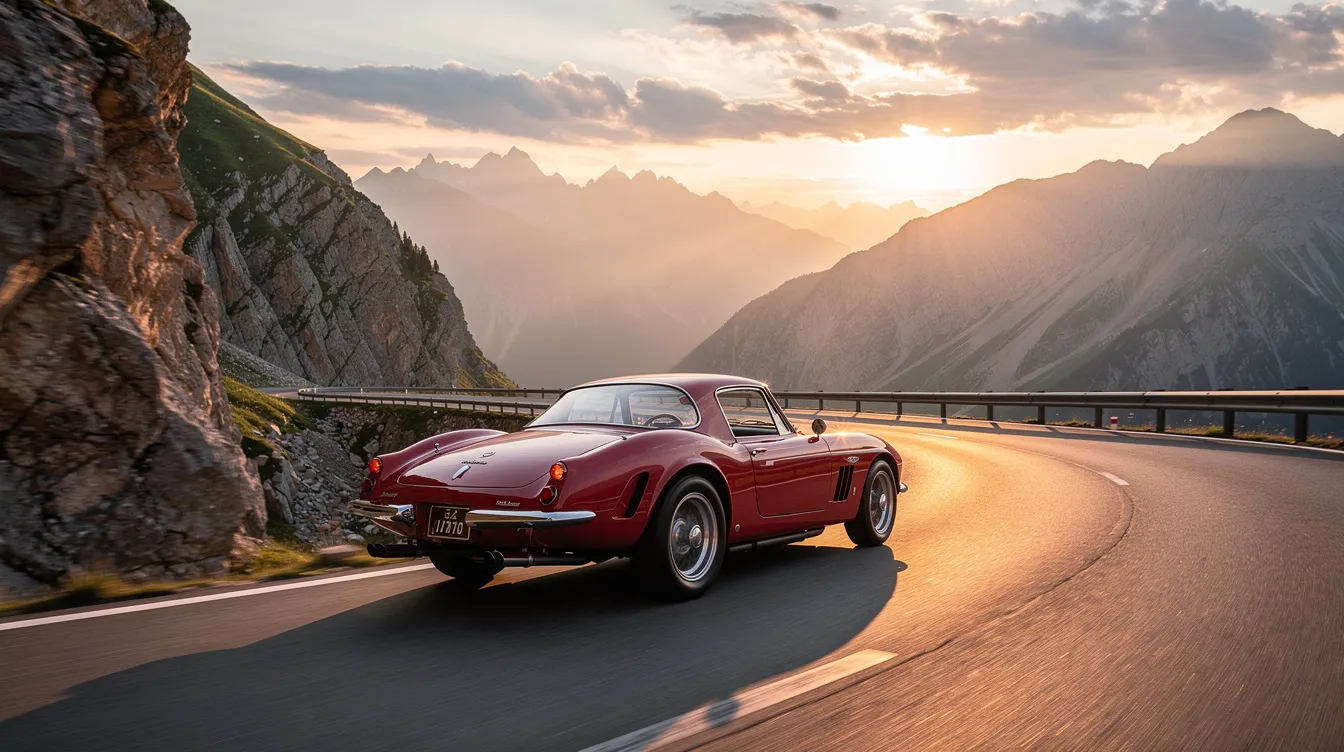
The American West offers some of the world's finest driving roads — from the Pacific Coast Highway's cliff-hugging tarmac to Utah's red rock canyons and Montana's Going-to-the-Sun Road. This guide covers the top 7 premium routes, how to choose the right one for your driving style, and practical tips for planning a luxury self-guided road trip across the Western US.
Travel the West: Best Driving Routes for Premium Road Trips in Western US
Traveling the West is a rite of passage for discerning drivers, car enthusiasts, and luxury travelers seeking the ultimate road trip experience. The Western United States offers unmatched driving diversity, from the salt-swept deserts of Death Valley scenic drive to the alpine switchbacks of Montana, and is home to some of the most iconic travel destinations in the country. This guide is dedicated to premium driving routes in the Western US, curated for those who value not just the destination, but the journey itself—where the quality of the tarmac, the rhythm of the curves, and the caliber of dining and accommodation elevate every mile. For those who travel the West with intention—whether in a sports car, a GT, or a well-sorted classic—the rewards extend far beyond checkpoints and photo ops. Here, you’ll find the best routes for those who appreciate curated experiences, scenic beauty, and the thrill of the open road.
Why This Topic Matters
The American West is a playground for premium road trips, offering a blend of natural wonders, world-class hospitality, and legendary roads. For luxury travelers and car enthusiasts, the region’s curated experiences—ranging from Michelin-starred dining to boutique wineries and design-forward lodges—make every journey memorable. Whether you’re seeking dramatic coastal drives, mountain adventures, or the solitude of the desert, traveling the West delivers a driving diversity and sense of freedom found nowhere else.
Top Western US Travel Destinations and Their Unique Features
Below is a summary of the most sought-after travel destinations in the Western US, each offering unique features and experiences for road trippers:
Destination | Unique Features |
|---|---|
Zion National Park | Stunning red rock formations, scenic drives, and hiking trails like Angels Landing |
Yellowstone National Park | Geysers, hot springs, wildlife, and the Grand Prismatic Spring |
Yosemite National Park | Iconic waterfalls, Half Dome, El Capitan, and diverse wildlife |
San Francisco | Golden Gate Bridge, Alcatraz, Fisherman’s Wharf, vibrant city culture |
Las Vegas | Bellagio Casino, world-class entertainment, luxury resorts, gateway to desert drives |
Grand Canyon | Breathtaking views, geological significance, South Rim and North Rim scenic drives |
Monument Valley | Iconic desert landscapes, scenic drives amid towering sandstone buttes |
Bryce Canyon | Unique, colorful hoodoos and dramatic amphitheaters |
Sequoia National Park | Home to the General Sherman Tree, giant sequoias, and scenic mountain drives |
Famous for stunning coastal views, cliffside driving, and access to The Big Sur Classic drive pack and Santa Barbara Coast drive pack | |
Arches National Park | Over 2,000 natural stone arches, including Delicate Arch, unique geological formations |
Canyonlands National Park | Dramatic canyons, four distinct districts, and unique rock formations |
Lake Tahoe | Stunning blue waters, year-round outdoor recreation, scenic mountain drives |
Multnomah Falls | Easily accessible waterfall near Portland, lush Columbia Gorge & Cascade Volcanoes drive pack scenery |
Renowned wineries and vineyards, gourmet dining, luxury resorts | |
Willamette Valley | Famous for Pinot Noir, farm-to-table dining, scenic vineyard tours |
These destinations are woven into the routes and recommendations throughout this guide, ensuring your Western US road trip covers the most iconic and rewarding stops.
How We Chose the Best Western Driving Routes
Selecting premium driving routes in the West requires more than scenic rankings or Instagram popularity. We evaluate roads the way serious drivers do—by what happens between your hands and the pavement.
Road quality and driving enjoyment: Smooth pavement, engaging curves, proper camber, and minimal traffic. A beautiful road that’s potholed or congested fails the test.
Scenic value and photogenic stopping points: Strategic pull-offs, dramatic vistas, and landscapes worth the pause.
Access to premium dining and wine experiences: Michelin-starred restaurants, boutique wineries, and local culinary excellence within reasonable distance.
Car-friendly, design-forward accommodation: Lodges and hotels that understand automotive travelers—secure parking, proper facilities, and an aesthetic sensibility.
Route length and feasibility: Weekend-appropriate segments that don’t require marathon driving sessions.
Year-round accessibility: Understanding seasonal closures, weather patterns, and optimal timing.
Regional character: Routes that feel distinct, with cultural depth beyond the asphalt.
Transition: Now that you know how we select the best routes, let’s explore the top premium driving adventures the Western US has to offer.
Top 7 Western US Driving Routes for Premium Adventures
1. Pacific Coast Highway – Big Sur Section
The Pacific Coast Highway (California State Route 1) is famous for its stunning coastal views and is considered one of the most scenic drives in the United States. The 90-mile stretch from Carmel to San Simeon along the Pacific Coast Highway represents what many consider the most beautiful coastal driving in North America. If you’re starting or ending your journey in San Francisco—a city featuring notable landmarks such as the Golden Gate Bridge and Alcatraz—be sure to visit Fisherman's Wharf, a must-see attraction known for its lively waterfront and resident seals. This is the visiting Big Sur California, filmmakers, and car enthusiasts have celebrated for decades—a ribbon of tarmac carved into cliffs that plunge hundreds of feet into the Pacific.
Why It Stands Out
World-renowned coastal curves and cliff-hugging tarmac deliver a driving experience that rewards attention and finesse.
Blind corners reveal sudden ocean panoramas, elevation changes test your car’s balance, and the ever-present Pacific provides a sensory backdrop unmatched on the West Coast.
The private Monterey & 17-Mile Drive section between Pacific Grove and Carmel adds exclusivity, featuring stops like the Lone Cypress—a 250-year-old tree on a rocky outcrop that’s become the most photographed view along this route.
Best For
Sports car enthusiasts seeking dramatic coastal driving.
Couples road trip planning guide luxury escapes where stunning views and Michelin-starred dining intersect.
Key Strengths
Spectacular ocean views from Seal Rock to Cypress Point
Access to premium resorts like Post Ranch Inn and Ventana Big Sur
Boutique wineries and world-class restaurants within easy reach
Photography opportunities at every turn, from sunrise to golden hour
Possible Limitations
Seasonal road closures due to landslides (check conditions before departing)
Heavy tourist traffic during peak summer months
Limited passing opportunities on narrow sections
2. Napa Valley Wine Country Circuit
Napa Valley is renowned for its wineries and vineyards, making it a top destination for wine lovers seeking culinary experiences in the Western U.S. California’s premier wine region offers a driving loop that combines world-class viticulture with smooth valley roads and mountain passes. The circuit threads through Napa, Sonoma, and the surrounding hills, delivering an experience where the leisurely drive becomes inseparable from the destination.
Why It Stands Out
Few regions in the world match Napa’s combination of agricultural beauty, culinary excellence, and driving enjoyment.
The valley floor provides relaxed cruising past iconic estates, while the mountain roads—Oakville Grade, Trinity Road, Spring Mountain—offer more spirited alternatives for those seeking curves.
Best For
Wine enthusiasts with classic cars who appreciate the intersection of automotive culture and gastronomy.
Couples planning romantic getaways where every stop elevates the experience.
Key Strengths
Rolling vineyard landscapes backed by the Mayacamas Mountains
Exclusive winery experiences and private tastings by appointment
Michelin-starred dining options including The French Laundry and Meadowood
Luxury resorts designed for weekend escapes
Possible Limitations
High costs for premium experiences and extra cost for exclusive tastings
Crowded during harvest season (September-October)
Tasting room hours may limit spontaneity
3. Utah’s Mighty Five National Parks Loop
This 1,200-mile circuit connects Utah Red Rock Grand Tour’s five national parks—Arches National Park (features over 2,000 natural stone arches), Canyonlands National Park (famous for its dramatic canyons), Capitol Reef, Bryce Canyon National Park (known for its unique, colorful hoodoos), and Zion National Park (stunning red rock formations and scenic drives)—through some of the most dramatic red rock landscapes on Earth. Route 12, which links several parks, is itself considered a hidden gem that passes through red rock wonders and high alpine terrain.
A hike is often the best way to experience the arches, canyons, and waterfalls within these national parks. Plan for at least one hike in each park to enjoy the most rewarding views.
Why It Stands Out
No other region concentrates such geological diversity within driving distance.
From the delicate arch formations to the cool rock formations of Bryce, from the cathedral spires of Zion to the mesa arch overlooks of Canyonlands, this loop delivers landscape variety that keeps every driving day distinct.
Monument Valley, famous for its iconic desert landscapes and scenic drives amid towering sandstone buttes, lies within reasonable range for a day trip extension.
Best For
Adventure-minded drivers seeking diverse geological wonders.
Those comfortable with longer driving days and willing to plan accommodations strategically.
Key Strengths
Five distinct national park Utah experiences in one circuit
Excellent road conditions on most segments, with engaging elevation changes
Unique luxury desert resorts and glamping options
The Virgin River corridor and Horseshoe Bend within extension range
Possible Limitations
Long distances between parks require careful plan execution
Limited fine dining options in remote areas
Summer heat can be intense; start early in the morning for hikes
4. Death Valley National Park Scenic Drive
Death Valley National Park offers otherworldly driving through America’s lowest, driest, and hottest terrain. The park’s roads traverse salt flats, volcanic craters, and multi-colored rock formations that feel extraterrestrial. Extreme summer temperatures can exceed 122°F (50°C), so plan accordingly.
A few of our favourite things to do in Death Valley include watching sunrise at Zabriskie Point and exploring the vast salt flats at Badwater Basin.
Why It Stands Out
This is solitude driving at its finest. Traffic is minimal, the roads are well-maintained, and the landscapes—including the iconic Zabriskie Point badlands—provide some of the most beautiful places for automotive photography in the western hemisphere.
The huge area of the park means you can drive for hours without seeing another vehicle.
Best For
Photographers and drivers seeking solitude in dramatic settings.
Those comfortable with remote environments and self-sufficient travel.
Key Strengths
Unique geological formations including the Bonneville Salt Flats nearby
Clear desert roads with excellent visibility
Minimal traffic and maximum solitude
Luxury desert resorts in nearby towns like Furnace Creek
Possible Limitations
Extreme summer heat makes driving dangerous (plan for spring or fall)
Limited services and fuel stations require careful planning
Cell coverage is unreliable throughout the park
5. Columbia River Gorge Scenic Highway
Oregon’s historic 75-mile driving route follows the Columbia River through a corridor of waterfalls, basalt cliffs, and preserved early-20th-century roadway architecture. This was America’s first scenic highway, and it retains its vintage character. Multnomah Falls, located in the Columbia River Gorge, is a stunning waterfall easily accessible from Portland and a must-see for visitors to the area.
Why It Stands Out
The historic route features original stone bridges, period architecture, and a driving rhythm that feels like motoring through a different era.
Multnomah Falls—the most visited natural recreation site in the Pacific Northwest—anchors the experience, though numerous other waterfalls provide equally compelling stops.
Best For
Vintage car enthusiasts and waterfall photographers seeking a route with historical significance and natural beauty in equal measure.
Key Strengths
Numerous waterfalls including the 620-foot Multnomah Falls
Historic stone bridges and preserved 1920s road character
Access to Columbia Valley wineries and farm-to-table dining
Fresh air and temperate climate year-round
Possible Limitations
Frequent rain and overcast conditions (embrace the mist or choose summer)
Narrow roads not ideal for large vehicles
Parking lot congestion at popular waterfall stops during peak hours
6. Going-to-the-Sun Road, Glacier National Park
Montana’s 50-mile alpine masterpiece crosses the Continental Divide through some of the most pristine wilderness remaining in the lower 48 states. This engineering marvel climbs through glacier-carved valleys to Logan Pass before descending through terrain that feels primordial. Lake Tahoe, straddling the border of California and Nevada, is also nearby and known for its stunning blue waters and outdoor recreational activities.
Why It Stands Out
The road itself is an engineering achievement—narrow, carved into mountain faces, with little room for error in places.
Travelers consistently describe the experience as “seriously epic,” though the route demands attention from drivers uncomfortable with heights.
The pristine wilderness and glacier point vistas deliver breathtaking views that justify the journey to this remote corner of Montana.
Best For
Experienced drivers seeking high-altitude mountain driving and wilderness immersion.
Those comfortable with narrow roads and dramatic exposure.
Key Strengths
Pristine wilderness and glacier-carved landscapes
Historic lodges with vintage mountain charm
Wildlife viewing opportunities (mountain goats, bears, eagles)
Significantly smaller crowds than Yellowstone National Park to the south
Possible Limitations
Vehicle length restrictions (no vehicles over 21 feet)
Short driving season (July-September typically)
Narrow roads with dramatic drop-offs require confidence
Honorable Mention: Blue Ridge Parkway – Virginia Section
While not technically in the Western US, the Blue Ridge Parkway is a 469-mile scenic mountain drive that deserves mention for drivers considering an American road trip across multiple regions. Purpose-built for leisure driving, it represents a philosophy of road design that prioritizes the journey itself.
Why It Stands Out
The Parkway was engineered for scenic driving—no commercial traffic, curves designed for pleasure rather than efficiency, and a consistent 35 mph speed limit that encourages appreciation over haste.
The tarmac quality remains exceptional, and the absence of trucks creates a driving environment rare in modern America.
Best For
Classic car owners who appreciate engineered driving roads and don’t mind a more relaxed pace.
Those seeking fall foliage and mountain vistas without aggressive driving.
Key Strengths
Smooth, curves-rich tarmac designed specifically for leisure driving
Spectacular fall foliage (late September through October)
Historic mountain lodges and craft distilleries along the route
Overlooks positioned for maximum scenic impact
Possible Limitations
35 mph speed limit throughout (not for those seeking spirited driving)
Weather-related closures in winter months
Eastern location requires significant travel from the western states
Transition: With the top routes and their highlights in mind, let’s compare them side by side to help you choose the best fit for your next adventure.
Quick Comparison of the Best Western Driving Routes
Route | Best For | Driving Style | Season |
|---|---|---|---|
Pacific Coast Highway | Luxury coastal escapes | Engaged, scenic | Year-round* |
Napa Valley Circuit | Wine country romance | Relaxed to spirited | Year-round |
Utah National Parks Loop | Geological diversity | Varied, long-distance | Spring/Fall |
Death Valley Drive | Desert solitude | Remote, contemplative | Winter/Spring |
Columbia River Gorge | Waterfall photography | Historic, measured | Spring/Summer |
Alpine adventure | Technical, focused | Summer only | |
Blue Ridge Parkway (Honorable Mention) | Classic car touring | Leisurely, 35 mph | Spring/Fall |
*Check for landslide closures |
Transition: Now that you’ve seen a side-by-side comparison, let’s dive into how to select the right route based on your car, the season, and your driving experience.
How to Choose the Right Western Driving Route
Choose Based on Your Car Type
Low-slung sports cars excel on the smooth tarmac of the Pacific Coast Highway and Napa Valley but may struggle with some Utah park roads.
Classic cars without air conditioning should avoid Death Valley entirely.
Modern GT cars handle longer distances comfortably, making the Utah loop more feasible.
Consider your car’s ground clearance, cooling capacity, and comfort over distance when planning.
For Grand Teton National Park and Yellowstone access, routes through Wyoming demand highway capability alongside scenic stretches. If you’re visiting San Francisco, the Golden Gate Bridge provides an iconic starting point for trips north or south along the coast.
Choose Based on Season and Weather
Spring (March-May): Ideal for Death Valley before extreme heat; wildflower season in California; Utah parks before summer crowds
Summer (June-August): Only window for Going-to-the-Sun Road and high-altitude passes; avoid desert routes; peak coast traffic
Fall (September-November): Blue Ridge Parkway foliage peaks; Napa harvest season; Utah shoulder season offers fewer crowds
Winter (December-February): Limited options; coastal routes remain open but may see storms; high-altitude routes closed
Crater Lake National Park, with its two-meter snow walls during driving season and weather-dependent openings, exemplifies the importance of checking conditions online before any mountain route.
Choose Based on Experience Level
Beginner-friendly: Napa Valley Circuit, Columbia River Gorge. Wide roads, gentle speeds, forgiving conditions.
Intermediate: Pacific Coast Highway (requires attention on blind corners), Utah loop (long distances), Death Valley (remote but straightforward roads).
Advanced: Going-to-the-Sun Road demands focused driving on narrow mountain tarmac with exposure. Not recommended for your first trip to mountain driving or those uncomfortable with heights.
Transition: Once you’ve chosen your route, it’s crucial to prepare for the unique challenges of Western road trips. The next section covers essential safety and emergency tips to ensure a smooth journey.
Safety and Emergency Preparedness for Western Road Trips
Many travelers recommend booking accommodations in advance, especially during peak seasons, to ensure availability in popular areas like national parks and scenic routes. Best driving practices in remote areas include aiming for 4-5 hours of driving per day and keeping the gas tank at least half full. Spring and autumn are the best times for visiting most of the West, providing mild temperatures and lower crowds. Outdoor activities can be dangerous during the hot summer months in desert areas like Death Valley, where extreme summer temperatures can exceed 122°F (50°C).
Start with Research
Immerse yourself in the latest weather patterns and road conditions for your chosen path.
National parks such as Canyonlands, Bryce Canyon, and Death Valley National Park maintain their websites with real-time alerts on trail closures, weather shifts, and evolving regulations.
Consider a park pass or a detailed guidebook as essential gear; these streamline your connection to each park while revealing the nuanced character of every route.
Pack for the Unexpected
Your car deserves a comprehensive roadside kit: first-aid supplies, jumper cables, a spare tire, and a reliable flashlight.
Stock your journey with water and non-perishable provisions, especially when your route threads through isolated territory like the South Rim of the Grand Canyon or the high plateaus near Bryce Canyon National Park.
Navigation demands the same thoughtful approach: while your phone's GPS has its place, cell service can vanish without warning. A paper map or dedicated GPS device ensures your rhythm stays unbroken.
Stay Vigilant on the Road
The breathtaking views that define the Pacific Coast Highway or the scenic byways of the Pacific Northwest can captivate in ways that distract from real hazards—wildlife crossings, sudden rockfalls, or weather that shifts with startling speed.
Read the road like a seasoned driver reads camber and surface quality.
On extended drives, honor the rhythm of rest—stretch, hydrate, and recalibrate your focus.
Prepare for Emergencies
Keep essential contacts within arm's reach: park rangers, local authorities, and your roadside assistance provider.
If your wanderlust takes you deep into backcountry territory—perhaps a day exploring the canyons of Arches National Park or the remote valleys of Death Valley—consider a personal locator beacon or satellite phone as crucial gear.
Know where the nearest medical facility sits on your mental map, and trust your instincts if you or your passengers show signs of heat exhaustion, altitude sickness, or dehydration.
Respect Your Limits and the Environment
Avoid strenuous exploration during peak heat, especially in places like Death Valley National Park.
Always shield yourself with sunscreen, a hat, and quality sunglasses.
Hydration isn't optional—drink water consistently, even when thirst hasn't made itself known.
Honor the guidelines crafted by national parks and state parks—these exist to protect both travelers and the fragile ecosystems you've journeyed to experience.
A meticulously prepared traveler is a confident traveler. By prioritizing safety and emergency readiness, you ensure that your road trip—whether it's a flowing drive along the Pacific Coast, a mountain adventure through Yosemite's rhythm, or an exploration of Bryce Canyon's iconic formations—stays focused on discovery, not disaster. The grandeur of the western USA awaits; with thoughtful preparation, you'll be free to savor every mile, every vista, and every moment that makes the journey matter as much as the destination.
Transition: With safety and logistics covered, let’s match your travel style to the perfect Western US driving route.
Which Route Is Best for You?
Choose Pacific Coast Highway if you want the ultimate coastal driving experience with luxury amenities. The world’s most iconic ocean road delivers on its reputation, with premium dining and accommodation at every stop. Plan for a few hours of driving interspersed with longer hikes along coastal trails or visits to boutique wineries.
Choose Napa Valley if wine culture and gourmet dining are priorities. This route prioritizes the complete experience over driving challenge—perfect for a fun place to bring a beautiful car without demanding roads.
Choose Utah’s National Parks Loop if you prefer diverse landscapes and adventure. From the rock formations of Arches to the hoodoos of Bryce Canyon, this whole trip delivers maximum geological variety. Pair with Grand Canyon National Park and the Grand Canyon Arizona experience via the South Rim or North Rim for an extended explore of the Colorado Plateau. The Colorado River corridor adds another dimension to this region’s appeal.
Choose Death Valley if you seek solitude and otherworldly scenery. The most beautiful places here require driving to appreciate—massive scales, unusual geology, and the kind of quiet that restores clarity. Best experienced in cooler months; a few dollars in park entrance fees grants access to unforgettable landscapes.
Choose Columbia River Gorge if waterfalls and historic charm appeal to you. The vintage road character pairs naturally with period-correct automobiles, and the numerous waterfalls provide favorite things to photograph throughout the drive.
Choose Going-to-the-Sun Road if you’re an experienced mountain driver seeking wilderness. This isn’t a route for casual tourists—it rewards skilled drivers with pristine landscapes and morning light on glacier-carved peaks that few roads in America can match.
Choose Blue Ridge Parkway (Honorable Mention) if you own a classic car and love engineered driving roads. The consistent surface quality and no-traffic design philosophy make this ideal for vintage machinery. While located in the eastern mountains rather than western deserts, it represents American scenic road design at its finest.
Transition: With your ideal route in mind, let’s wrap up with some final thoughts on making the most of your Western US road trip adventure.
Final Thoughts
The American West offers unparalleled driving diversity for those who plan with intention. From the most beautiful places along the Pacific Coast to the giant sequoias of Yosemite National Park and the Half Dome viewpoint at Glacier Point, from the city lights of Las Vegas to the remote wilderness of Montana, these routes reward drivers who bring both curiosity and preparation.
Combining multiple routes creates extended adventures—a few hours from San Francisco to Big Sur, then south toward Santa Barbara; or starting in Las Vegas for a circuit through Grand Canyon National Park, Zion, and Bryce before returning through Monument Valley. Redwood National and State Parks offer another dimension for those heading north along the coast toward Lake Tahoe.
The key lies in curation: choosing roads that match your car and your disposition, timing arrivals for optimal conditions, and selecting stays where your vehicle feels as considered as you do. Whether you prefer the natural beauty of wilderness routes or the refined luxury of wine country, the West rewards those who drive with purpose.
At The Stable, we build routes around these principles—every road hand-picked for how it feels behind the wheel, every recommendation tested by drivers who share your appreciation for the journey itself, informed by thousands of miles in the cars featured in The Garage — cars we've owned and driven, all captured in our broader world of curated driving routes and car culture. You bring the car you love. We provide the route, the restaurants, the stays, and the confidence to explore these iconic destinations without the planning friction, all shaped by the husband-and-wife team behind The Stable.
The open road awaits. The only question is which direction calls to you first.
Drives From This Story
Hit the road on a route inspired by this article.
 CaliforniaMember Access
The Big Sur Classic
Where the Mountains Meet the Pacific
 Mountain WestMember Access
Utah Red Rock Grand Tour
Through the Most Otherworldly Terrain on Earth
 CaliforniaMember Access
Napa & Sonoma Grand Tour
Wine, Curves & the Good Life
 Mountain WestMember Access
Going-to-the-Sun Road
America's Most Spectacular Mountain Road
 Pacific NorthwestMember Access
Columbia Gorge & Cascade Volcanoes
Waterfalls, Wine & Volcanic Peaks
Articles Connexes
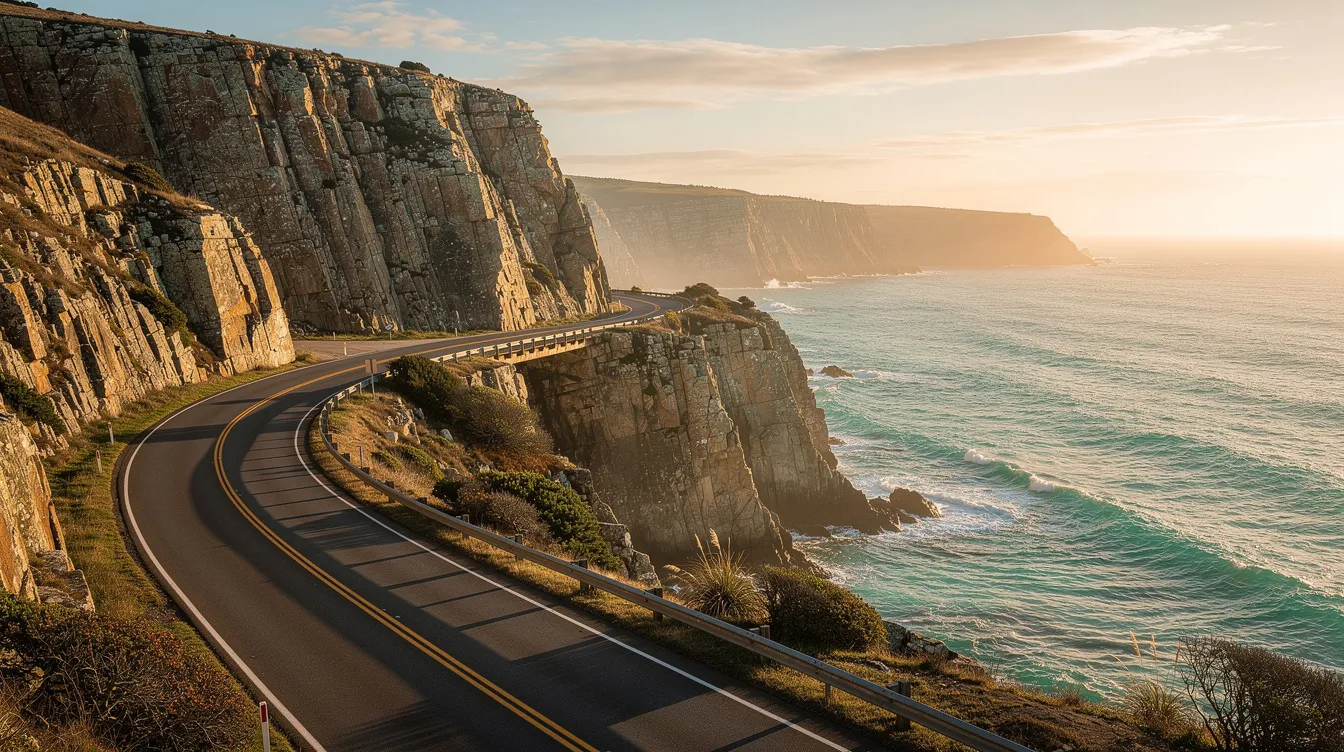
Best Road Trip Places in USA for Driving Enthusiasts.
The United States offers a range of road trip experiences that simply don’t exist anywhere else on earth. From the dramatic Pacific Coast Highway to the alpine passes of Colorado, here are the 8 best road trip destinations for driving enthusiasts.
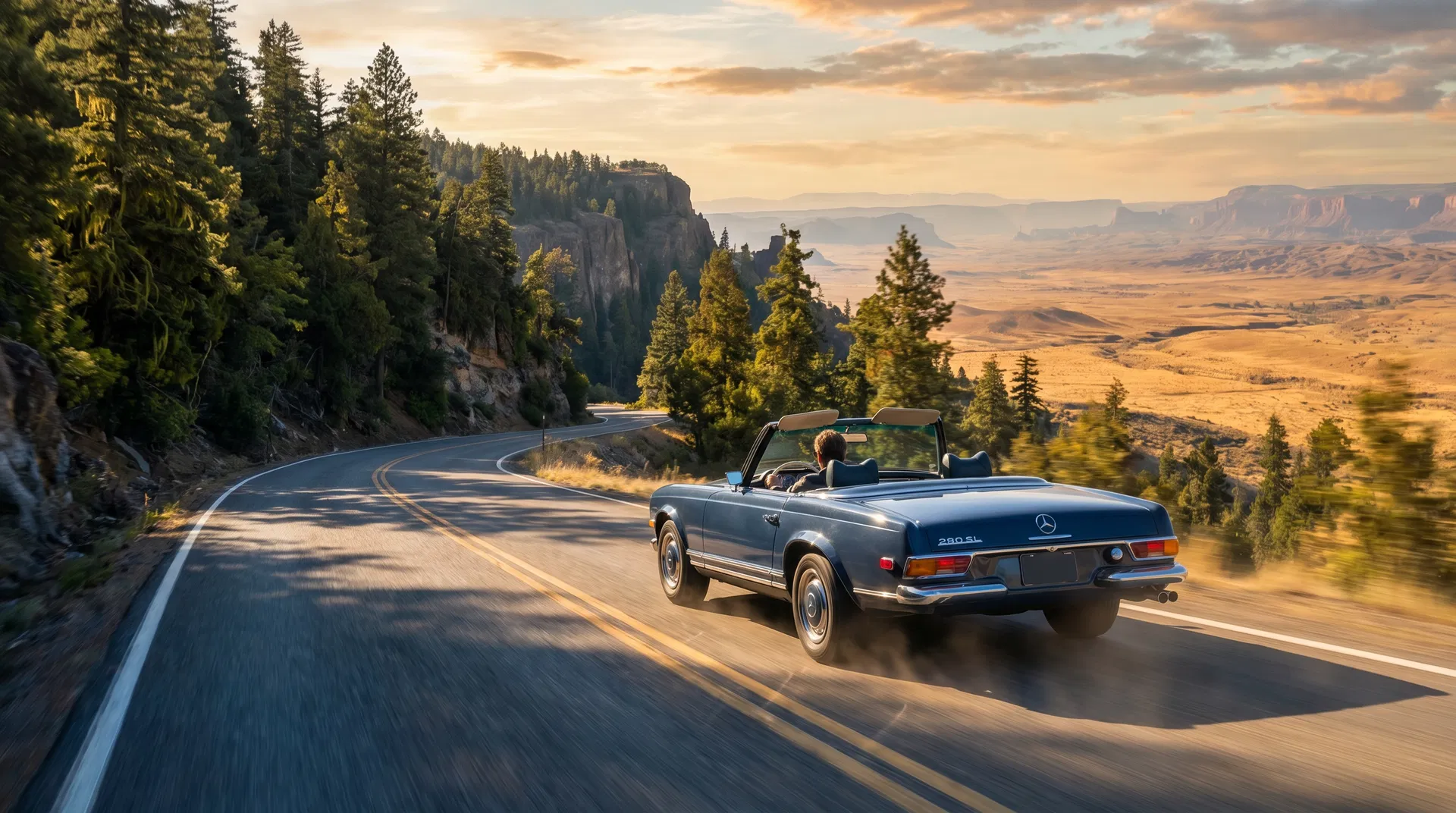
Driving from West Coast to East Coast: A Luxury Road Trip Guide for 2026
A coast-to-coast drive spans approximately 3,000–3,500 miles and takes 10–14 days. The Stable provides curated, driver-focused routes that prioritize engaging back roads over truck-choked interstates.
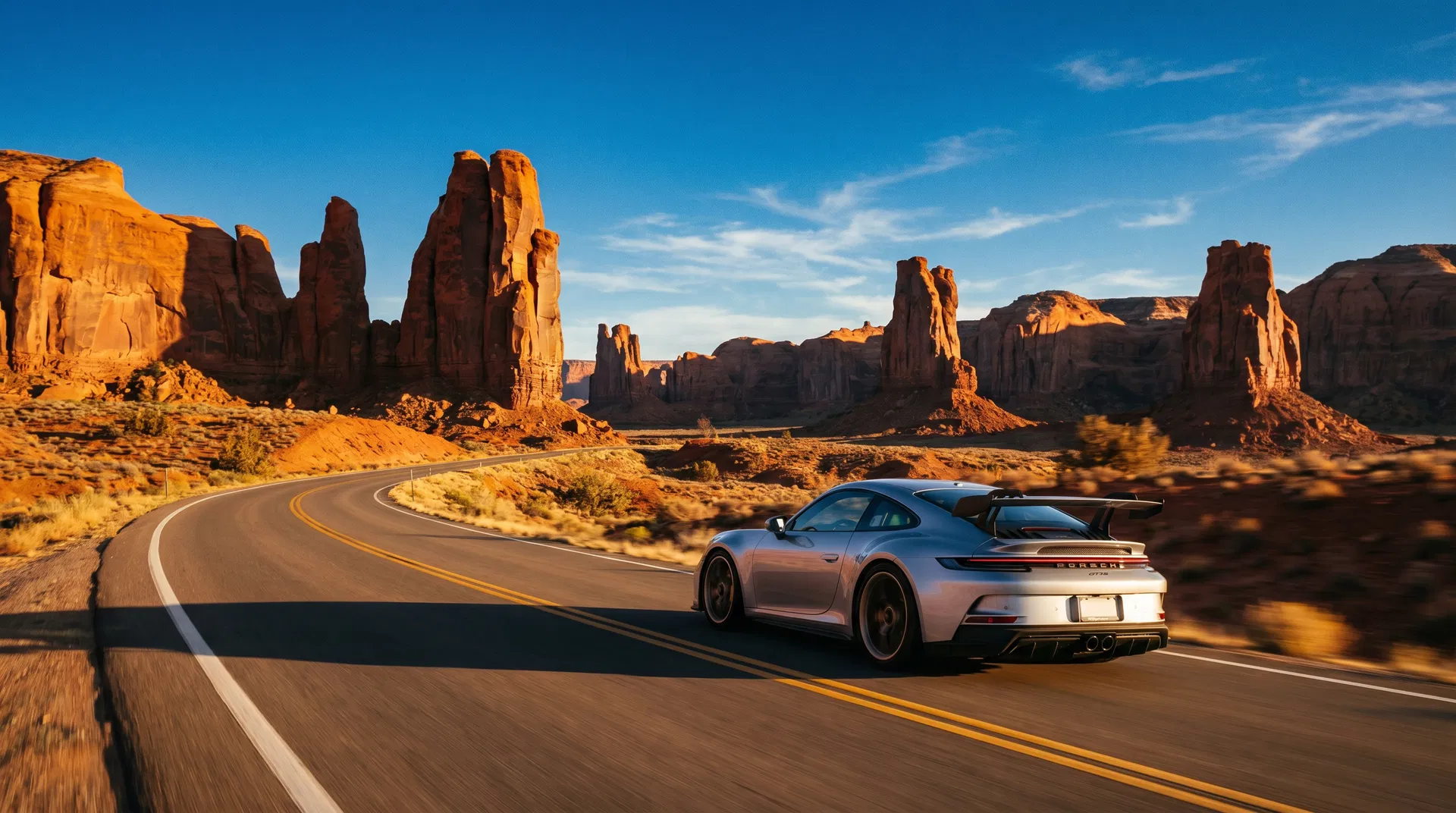
USA Route Planner: Curated Driving Routes & Luxury Road Trips with The Stable
Planning a USA road trip with the right route planner ensures a memorable, stress-free journey tailored to your driving passions. The Stable offers curated, human-tested alternatives to generic multi-stop tools.
Parcourez les routes que vous venez de lire
L'adhésion The Stable arrive bientôt — un abonnement pour chaque itinéraire sélectionné de notre bibliothèque, avec points de rallye détaillés, guides gastronomie & vins et hébergements. À partir de $6.97/mois.