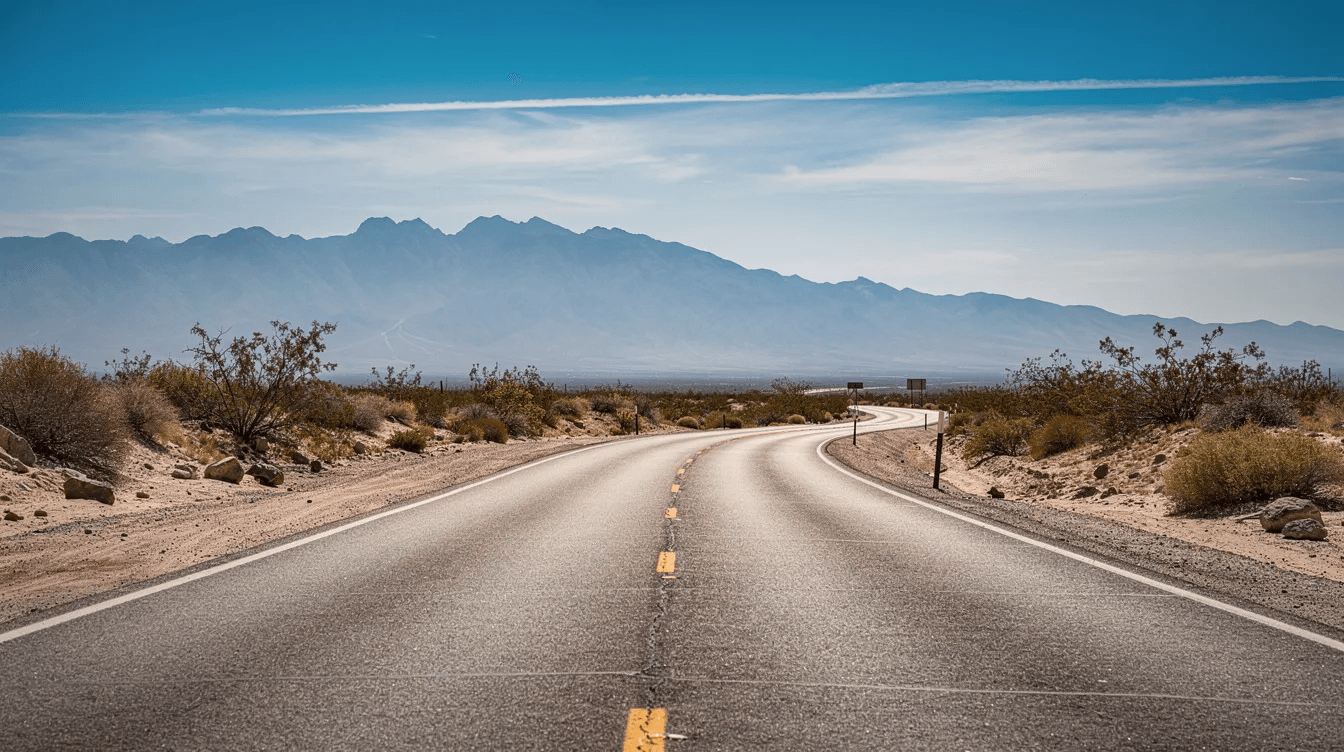

There is something about the open road that calls to those who believe the journey matters as much as the destination. A successful road trip does not happen by accident. It requires thoughtful preparation, realistic expectations, and enough flexibility to embrace the surprises waiting around every curve. This guide walks you through the complete process of building your own road trip plan, from sketching your route to packing your car and everything in between.
Introduction to Road Trips
There's nothing quite like the thrill of setting out on a road trip - the open road ahead, a world of destinations to explore, and the freedom to create your own adventure. Whether you're dreaming of winding through national parks, discovering vibrant cities, or simply enjoying the journey with family and friends, a successful road trip starts with a solid plan. With today's tools like Google Maps and dedicated road trip planners, it's easier than ever to map out your route, find hidden gems, and make the most of every mile.
Planning road trips lets you tailor your experience to your interests, whether you crave the serenity of nature or the excitement of urban exploration. From coast-to-coast drives across the country to weekend getaways in your own backyard, each trip is a chance to discover new places, create unforgettable memories, and enjoy the simple pleasure of the drive. So gather your crew, pick your route, and get ready to explore - the adventure of a lifetime is waiting just beyond the next turn.
Plan Your Road Trip Route First
Planning a road trip involves defining your destination and time frame, setting a realistic budget, and mapping out a flexible route with about 4 to 6 hours of driving per day.
The route is the backbone of any road trip plan. Consider a July 2026 drive from Chicago to Yellowstone National Park: roughly 1,400 miles through some of the country's most dramatic landscapes, with the Badlands as a natural midway stop. Before you can plan road trips effectively, you need to nail down the fundamentals.
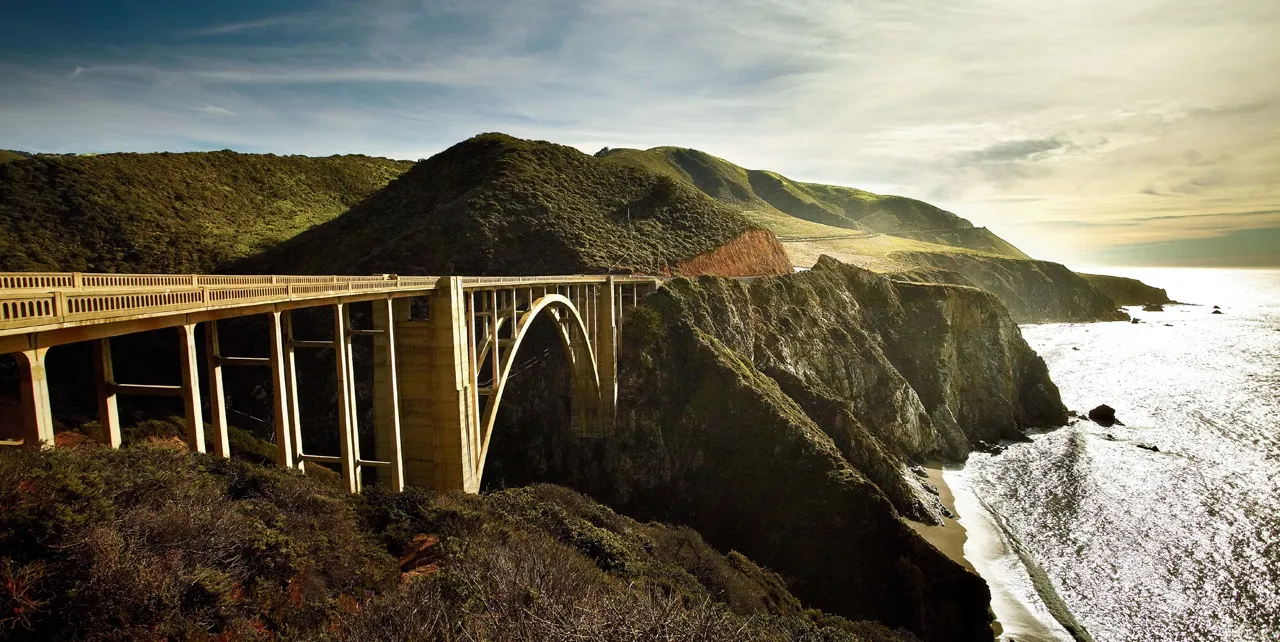
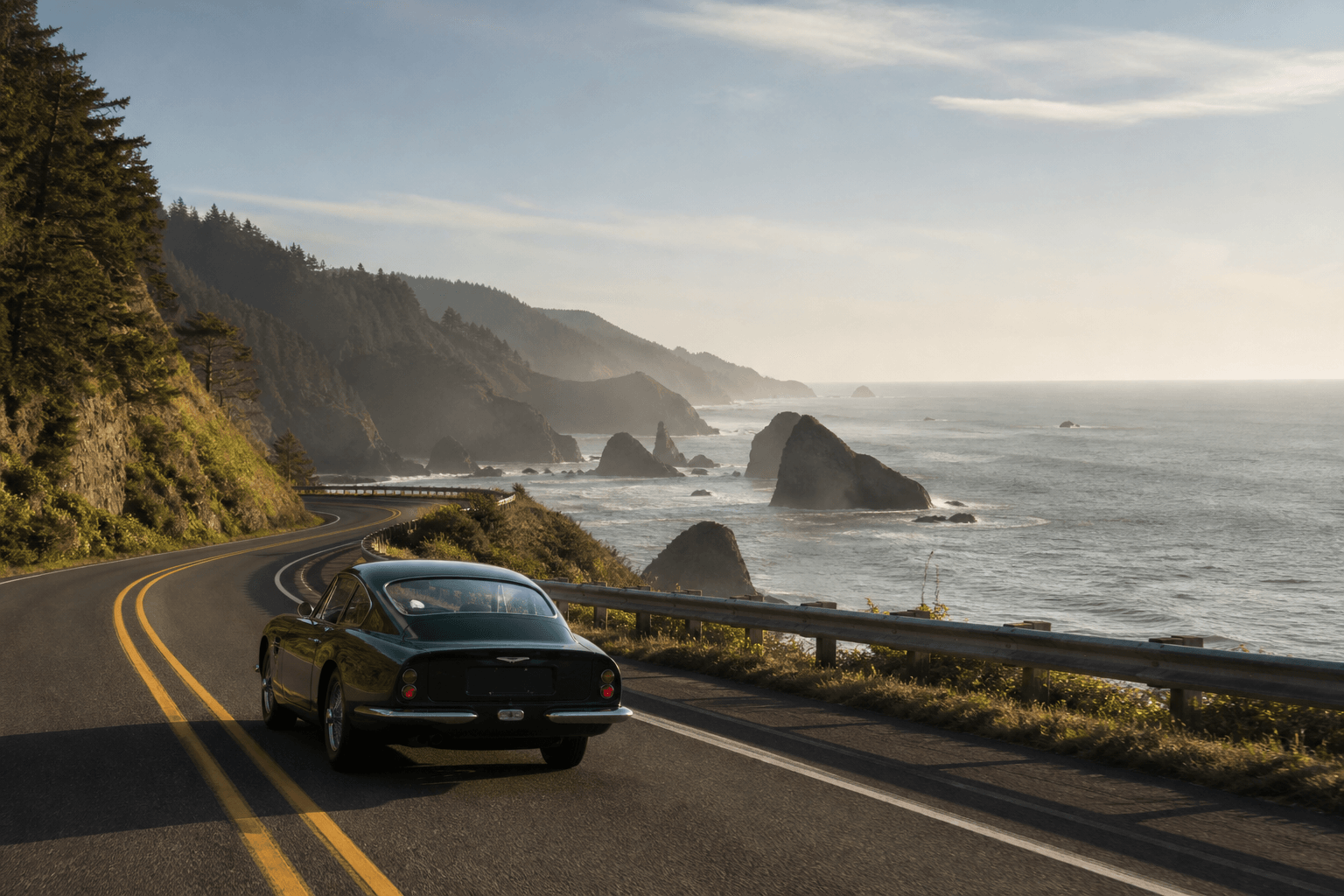
- Choose a clear starting point and final destination first. Examples like "Seattle to San Diego along the Pacific Coast Highway" (1,300 miles) or "Boston to Acadia National Park" (290 miles, 5 hours) give you a framework to build upon.
- Use Google Maps on desktop to sketch the full route. Input your starting point and end location, add waypoints for planned stops, and check total distance. The platform calculates realistic driving time and lets you drag the route to avoid tolls or highways.
- Save your map to "Your places" for easy access on mobile. Download offline maps for rural stretches where cell service drops out. Make sure you have reliable directions, including turn-by-turn guidance, to navigate your route - especially in areas with limited connectivity.
- Cap most days at 6 to 7 hours of driving or roughly 300 to 400 miles. This prevents fatigue and leaves time to actually explore what you came to see.
- Consider classic routes as ready-made templates: Route 66 from Chicago to Santa Monica spans 2,448 miles over 7 to 10 days, passing neon signs, classic diners, and the Gemini Giant in Illinois. Exploring curated driving routes and car culture alongside classics like the Blue Ridge Parkway from Virginia to North Carolina covers 469 miles of scenic overlooks like Mabry Mill, ideal in fall for foliage.
Choose Your Road Trip Style and Timeframe
The type of trip you want will shape your budget, pace, and stops. You can follow curated driving weekend itineraries or design your own - a quick 3-day Boston to Niagara Falls weekend (450 miles total) demands a different approach than a leisurely 10-day Southwest national parks loop hitting Utah's Mighty 5.
- Decide between a fast point-to-point run, a slow scenic journey, or a themed adventure like a "California coast food tour" sampling Monterey seafood or a "Civil Rights history route from Atlanta to New Orleans" via Selma's Edmund Pettus Bridge.
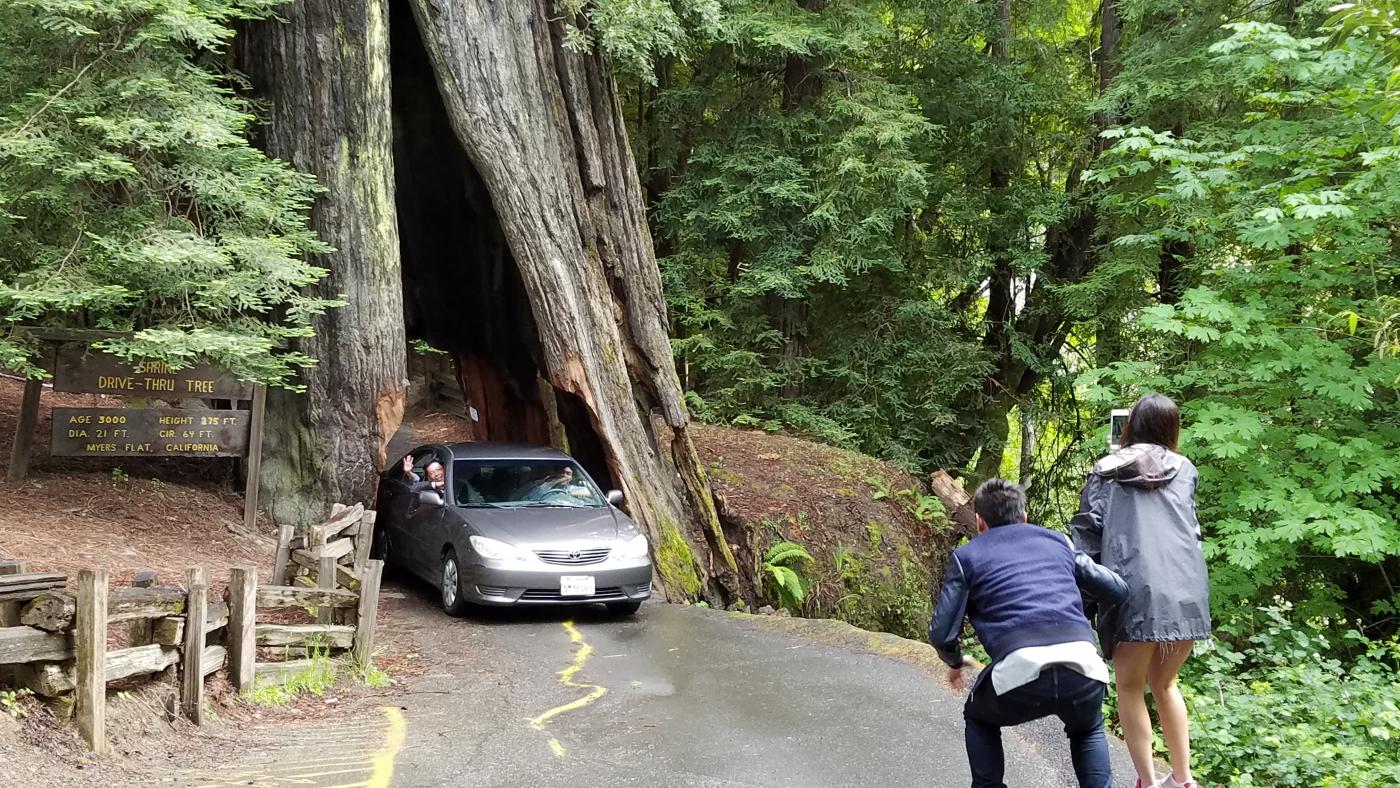
- Match trip length to your route by considering how many days you have available and how many days you want to spend at each destination. For example, plan 7 days for a San Francisco to Seattle coastal drive in August 2026 (800 miles, 3 to 5 hours daily). This allows time to linger at Redwood National Park's Avenue of the Giants.
- Account for how seasons affect your dates. Avoid Tioga Pass in Yosemite in early spring due to snow (typically closed November to May). Plan New England foliage drives for late September to mid-October when Vermont and New Hampshire routes peak.
- Align your dates with events when possible. A Nashville to New Orleans music road trip around the New Orleans Jazz & Heritage Festival in late April adds another layer of fun. Austin's ACL Festival in October draws 475,000 attendees over two weekends, so book hotels early if that interests you.
- Consider summer travel carefully. It offers the most flexibility but also the highest demand at national parks and coastal areas.
Build Your Overnight Stop Schedule
Overnight stops prevent burnout and should be placed roughly every 250 to 300 miles on standard trips.
- Walk through your route methodically. A 5-night Los Angeles to Grand Canyon to Zion to Las Vegas loop in May 2026 might look like this: Night 1 in Barstow (140 miles, 2 hours), Night 2 at Grand Canyon Village (220 miles via Hoover Dam, 4 hours), Night 3 in Springdale near Zion (160 miles, 2.5 hours), Night 4 in Las Vegas (40 miles, 45 minutes).
- Use Google Maps to test different overnight cities. Compare drive times, track traffic patterns, and check easy access to attractions and restaurants.
- Vary your stop patterns based on who is traveling. Families with kids should limit stretches to 200 miles daily. Solo travelers can handle one or two longer driving days at 400 to 500 miles.
- Mix types of stays for a more enjoyable experience. Alternate budget Interstate motels ($80 to $120 nightly) with memorable accommodation like a cabin near Glacier National Park ($200+) or a boutique hotel in Savannah ($150 to $250).
- Allow 2+ nights in national park areas for proper exploration. Big cities often need just one night since the priority is the drive itself.

Map Out Must-See Stops and Detours
Good road trip plans balance iconic attractions with roadside surprises. Adding Cadillac Ranch near Amarillo (free admission, spray-paint your own buried Cadillac) elevates a Route 66 itinerary from a simple drive to a genuine adventure.
- List your "non-negotiable" sights for each trip. A Phoenix to Zion route might require the Grand Canyon South Rim (4.5 million visitors yearly, $35/vehicle), Antelope Canyon near Page (guided tours $50 to $100, book 6 months ahead), and Horseshoe Bend (1.5-mile roundtrip hike).
- Use tools like Google Maps pinning, state tourism sites (VisitArizona.com), and park websites (NPS.gov) to locate specific viewpoints, hiking trails, museums, and food stops along your corridor. Mark key points of interest - such as attractions, restaurants, hotels, gas stations, and activities - on your map to help visualize and organize your itinerary.
- Plan half-day side trips to visit nearby attractions. Detour from Denver to Rocky Mountain National Park (70 miles, 1.5 hours). Drive from Portland, Maine to Acadia for a day (165 miles, 3 hours) to catch Cadillac Mountain at sunrise.
- Leave 1 to 2 hours of daily buffer time for spontaneous stops. Small-town diners, local farm stands along US Highway 1, or scenic overlooks you did not know existed often become trip highlights.
- Search for hidden gems in each town you pass through. Sometimes the world's best pie shop or a perfect place for a photo lives just off the highway.
Budget Your Road Trip Realistically
Budgeting is crucial and varies widely between a shoestring camping loop ($50 to $80 per day) and a higher-end hotel-based road trip ($250+ daily).
- Break down sample daily costs with real numbers: Fuel for a 1,500-mile July trip in a mid-size SUV (28 mpg, $3.50/gallon average): roughly 53 gallons = $185. Motels along Interstate 95: $80 to $120 per night (2026 projections). Food: $40 to $60 per day mixing groceries and diners. National park entry: $35 per vehicle for most major US national parks (7-day pass).
- Calculate gas costs by region. California averages $4.50/gallon while Texas runs closer to $3.00. This can save or cost you hundreds on a cross-country journey. Plan your route to include convenient places to fill up your tank, especially in areas with fewer gas stations.
- Buy the America the Beautiful annual pass ($80) if hitting multiple national parks. On a Utah Mighty 5 itinerary (Zion, Bryce Canyon, Capitol Reef, Arches, Canyonlands), you save $95 compared to paying individual entry fees.
- Set aside an emergency fund of $300 to $500 for a week-long trip. This covers unexpected repairs like a tire replacement ($200) or emergency towing ($150).
- Create a simple budget tracker before departure to determine your spending limits and avoid surprises.
Book Key Reservations in Advance
High-demand items require early booking, especially for summer 2026 travel to national parks and popular coastal areas.
- Campgrounds at Yosemite, Zion, Grand Teton, Acadia, and Glacier often sell out 5 to 6 months in advance. Housekeeping Camp at Yosemite ($30/night) sees 80 to 90 percent occupancy by April for July dates. Book through recreation.gov or another trusted site when reservations open to ensure a seamless experience.
- Reserve rental cars 2 to 3 months before peak season trips. A midsize vehicle at Denver International Airport runs roughly $60/day in June 2026. Always use a reputable site to book your rental car for the best deals and a smooth process.
- Research timed entry and permit systems now required at many destinations. Arches National Park requires timed entry slots (6am to 5pm, $2 fee, book 1 month ahead). Rocky Mountain National Park and Glacier's Going-to-the-Sun Road have similar vehicle reservation systems from May through September.
- Book tours for crowded attractions with realistic lead times. Antelope Canyon Upper tour ($55/adult, 90 minutes) requires 4 to 6 month advance booking. Alcatraz Island from San Francisco ($40, 90 minutes) books out 3 to 6 months ahead.
- Drop a calendar reminder for when booking windows open. Miss these dates and you may miss the experience entirely.
Prepare Your Car for the Road
Mechanical prep is as important as your itinerary. Servicing a 2019 Honda CR-V before a July drive from Dallas to Santa Fe (650 miles) takes a few hours and prevents a week of worry.
- Complete this pre-trip checklist:
- Oil change ($50 to $80, every 5,000 miles)
- Tire tread check (minimum 2/32 inch depth) and pressure (32 to 35 psi)
- Spare tire condition and jack functionality
- Brake inspection (pads should exceed 3mm)
- Coolant levels (50/50 mix)
- Update roadside assistance coverage and confirm towing distance limits. AAA Plus ($99/year) offers 100-mile towing, which matters in remote areas. Make sure you are fully covered by insurance in case of accidents or breakdowns during your trip.
- Pack essential vehicle gear: jumper cables (400A minimum), basic tools (wrenches, pliers), a tire inflator ($30), reflective triangles, and a printed copy of your route for spotty cell service in rural Wyoming or Utah, and consider curated driving and travel essentials to round out your kit.
- Download offline navigation apps for key segments. The stretch between Lone Pine and Death Valley in California has no service for 50 miles.
- Rent a vehicle if your current car is not up to the journey. Sometimes paying to rent provides peace of mind and better fuel economy.
Pack Smart for Comfort and Safety
Packing a road trip essentials list is crucial for a successful trip.
Road trip packing goes beyond regular luggage. A 7-day June road trip from Atlanta to Charleston and Savannah requires different gear than an August mountain trip through Colorado.
- Plan clothing in layers for varied climates. Cool nights in Colorado mountain towns in August can drop to 50°F while hot afternoons in Moab hit 100°F.
- Create a dedicated in-car kit within arm's reach: snacks, water, a small cooler, phone chargers, a paper map, sunglasses, and basic toiletries.
- Pack safety and health essentials: first aid kit with bandages and ibuprofen, prescription medications, sunscreen (SPF50), insect repellent for Midwestern summer trips, and reusable water bottles (1 gallon per person per day for desert travel).
- Organize luggage for multi-stop trips. Keep an overnight bag accessible for single-night stops on a Boston to Miami drive so you do not unpack the entire trunk at every hotel.
- Bring entertainment for passengers. Long hours behind the wheel go faster with good playlists, audiobooks, or road games for the family.
Entertainment and Activities for the Road
Keeping everyone entertained during long stretches behind the wheel is key to a fun and enjoyable road trip. With a little creativity and planning, you can turn hours on the road into some of the most memorable parts of your journey.
- Curate the Ultimate Playlist: Before you hit the road, create playlists that match the mood of your trip - upbeat tunes for the open highway, relaxing tracks for scenic drives, or nostalgic hits for a family singalong. Streaming services and music apps make it easy to download your favorites for offline listening, so you're never without a soundtrack, even in remote areas.
- Dive into Audiobooks and Podcasts: Audiobooks and podcasts are perfect companions for long drives. Choose gripping mysteries, travel stories, or educational series that spark conversation and keep everyone engaged. Many libraries offer free audiobook downloads, and podcast apps let you search by interest, so there's something for every taste.
- Classic Road Trip Games: Bring back the fun of classic games like "I Spy," "20 Questions," or the license plate game. These activities are great for families and help pass the time while encouraging everyone to look out the window and enjoy the scenery.
- Plan Interactive Stops: Break up the drive by searching for quirky roadside attractions, scenic viewpoints, or local food spots along your route. Use the search bar in Google Maps to locate interesting places to stretch your legs, snap photos, or try regional treats. Even a quick hike or a visit to a small-town museum can add excitement to your journey.
- Travel Journals and Photo Challenges: Encourage everyone to document the trip by keeping a travel journal or setting up a photo scavenger hunt. Challenge your group to capture unique sights, funny signs, or the best sunset of the trip. These activities not only keep boredom at bay but also help you create lasting memories.
- Download Games and Movies: For families with kids or groups who want a little downtime, load up tablets or phones with games, movies, or educational apps. Just remember to pack chargers and headphones for easy access during the drive.
With a mix of music, stories, games, and spontaneous stops, you'll find that the journey itself becomes just as enjoyable as the destinations you visit. A little planning goes a long way toward making every hour on the road an adventure in its own right.
Use Apps and Tools to Enhance Your Plan
A mix of desktop planning and phone apps makes modern road trip planning smoother and more enjoyable.
- Use Google Maps for route previews on desktop, then sync to mobile for navigation. Download offline maps for your entire corridor before departure. The search bar lets you find gas stations, restaurants, and attractions along your route. For advanced route optimization, see our guide on how to map a trip and optimize every mile.
- Block out drive days and sightseeing days in your calendar app. This helps you visualize the schedule and avoid overcommitting.
- Use gas price apps to find cheaper fuel along an Interstate 10 drive from Houston to Orlando. Even $0.20 per gallon savings adds up over 1,000+ miles.
- Monitor weather apps for conditions along your route. Winter drives through Colorado passes face potential I-70 closures. Gulf Coast trips during hurricane season (June through November) require flexibility.
- Store reservation details, confirmation numbers, and daily plans in a note app or cloud document. Link everything in one place for access on both laptop and phone.
Plan for Safety on the Road
Safety is part of the road trip plan, not an afterthought. Whether you are a solo traveler or hauling the whole family across the country, a few precautions make the journey more secure.
- Check road conditions and closures on official state department of transportation websites before starting each day. Bookmark cdot.colorado.gov, caltrans.ca.gov, and wsdot.wa.gov for Western trips.
- Set realistic driving limits. Avoid more than 9 hours in one day on a cross-country New York to Los Angeles journey. Share driving duties when possible to stay alert.
- Select routes that avoid very isolated stretches at night. Plan to travel Arizona Highway 163 through Monument Valley in daylight when the landscape is most spectacular and the road safest.
- Share your complete itinerary with a trusted contact. Check in daily and carry an external battery pack (20,000mAh) for emergencies when you cannot find a charging location.
- Trust your instincts. If weather looks bad or you feel fatigued, find a safe place to stop. The road will still be there tomorrow.
Sample 7-Day USA Road Trip Plan
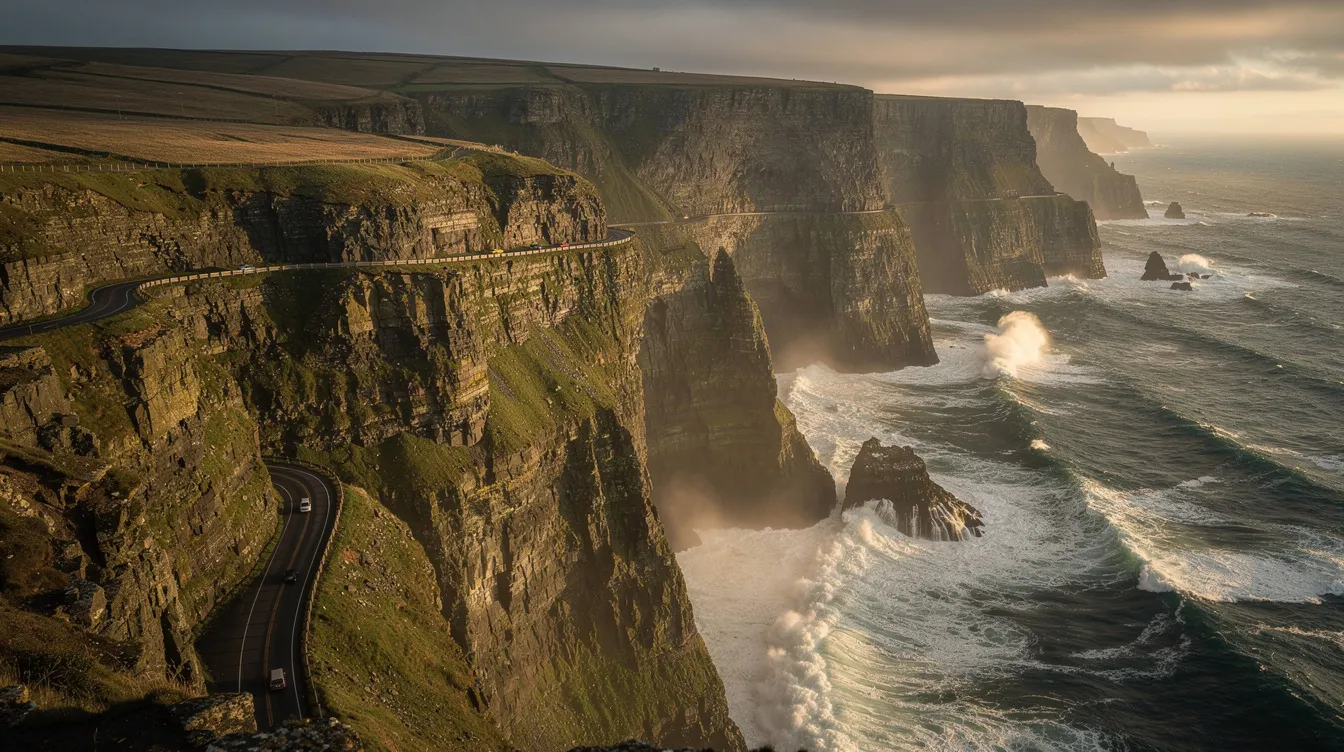
Here is a concrete example itinerary: a 7-day Pacific Coast road trip from San Francisco to Seattle in August 2026. Use this as a template to create your own adventure.
- Day 1: San Francisco to Mendocino (155 miles, 3.5 hours). Stop at Glass Beach in Fort Bragg to discover sea glass scattered across the shore.
- Day 2: Mendocino to Redwood National and State Parks (150 miles, 3 hours). Drive the Avenue of the Giants through ancient redwood groves.
- Day 3: Redwoods to Coos Bay, Oregon (200 miles, 4 hours). Cross into Oregon and explore the southern coast.
- Day 4: Coos Bay to Newport (130 miles, 3 hours). Visit the Oregon Coast Aquarium and walk the historic bayfront.
- Day 5: Newport to Astoria (160 miles, 3.5 hours). Stop at Cannon Beach to photograph Haystack Rock, then continue to the town where the Columbia River meets the Pacific.
- Day 6: Astoria to Olympic National Park (150 miles, 3 hours). Cross into Washington and head to Hurricane Ridge for mountain views.
- Day 7: Olympic to Seattle (100 miles, 2.5 hours). Arrive in Seattle with time to explore Pike Place Market.
This schedule keeps daily driving time between 3 and 5 hours, leaving half the day for exploration. Copy this structure but swap in your own regions. The Great Lakes, the Deep South, or the desert Southwest all work beautifully with the same approach. For more inspiration, browse our complete list of best American road trips for 2026.
Finalize Your Road Trip Plan and Stay Flexible
Before you finalize your road trip plan, take a moment to brainstorm a road trip idea that excites you. If you're unsure where to begin, look online for fun road trip ideas to spark your inspiration.
The best road trip plan is thorough yet flexible, with room for weather shifts, new discoveries, and those amazing moments you could not have predicted.
- Review your whole itinerary one week before departure. Confirm bookings, check estimated drive times against current conditions, and search for any construction alerts along your route.
- Build in at least one buffer day on longer trips. A free day in Denver on a Chicago to Rocky Mountains route lets you catch up if you linger somewhere, or it becomes an extra day to explore if everything runs smoothly.
- Treat the plan as a guide rather than a rigid schedule. Be willing to swap days or stays if you discover a town you love or meet locals who point you toward something incredible.
- Keep your vision flexible. Sometimes the best memories come from the detours you did not plan.
Pick a concrete date. Set your first road trip departure for September or October 2026. Open a new map, drop a pin on your starting point, and start sketching your route. The only thing standing between you and the open road is the decision to begin.
Conclusion
A well-planned road trip is more than just a journey from point A to point B - it's an opportunity to discover new places, connect with loved ones, and experience the world at your own pace. By taking the time to map your route, schedule overnight stops, and prepare for both comfort and adventure, you set yourself up for a successful road trip filled with unforgettable moments.
Remember to use tools like Google Maps to track your progress, search for hidden gems, and adjust your itinerary as you go. Stay flexible, embrace the unexpected, and don't be afraid to take a detour - you never know what amazing sights or perfect places you might find just off the beaten path.
So whether you're planning to visit national parks, explore vibrant cities, or simply enjoy the open road, your next adventure is waiting. Gather your family or friends, set your dates, and start creating your own road trip story. The world is out there - ready for you to discover, one mile at a time.